Property Owner Guide to Mold Testing in Pompano Beach
Mold is a common concern for property owners in Pompano Beach. The combination of high humidity, warm temperatures, and seasonal storms creates ideal conditions for mold growth whenever moisture is present. In many cases, mold develops in hidden areas long before it becomes visible, which is why mold testing plays an important role in protecting homes and rental properties.
For homeowners, landlords, and property managers in Pompano Beach, as well as nearby communities such as Lighthouse Point, Deerfield Beach, Margate, and Coconut Creek, understanding mold testing helps prevent long-term damage and costly repairs.
What Mold Testing Really Is
Mold testing is the process of determining whether mold is present in a home and identifying the extent of contamination. It is often used when there are signs of moisture, musty odors, or after water damage events such as leaks or flooding.
Testing helps confirm whether mold is present, where it is developing, and whether indoor air may be affected. This information is useful for planning proper remediation and ensuring that moisture problems are fully addressed.
Why Mold Is Common in Pompano Beach
Pompano Beach has environmental conditions that make mold growth more likely than in many other regions.
These factors include:
- High humidity throughout much of the year
- Heavy rain and seasonal storms
- Flooding and water intrusion
- Continuous use of air conditioning systems
- Warm attic spaces and duct condensation
Homes in Fort Lauderdale and Lauderdale-by-the-Sea often experience similar challenges, particularly in properties where ventilation and insulation are not optimized for humidity control.
Because moisture lingers longer in humid climates, mold can begin developing quickly if water intrusion is not properly dried.
When Property Owners Should Consider Mold Testing
Mold testing is often recommended in several situations:
After roof leaks or plumbing leaks
Following flooding or storm damage
When musty odors are present
If stains or discoloration appear on walls or ceilings
When tenants report persistent humidity or odors
Before purchasing or renting a property
Testing helps confirm whether mold is present and whether further action is needed.
Common Signs Mold May Be Present
Mold is not always visible in its early stages. Property owners often notice small warning signs first.
These signs may include:
- Musty or damp odors
- Dark spots on walls or ceilings
- Peeling paint or bubbling drywall
- Increased humidity indoors
- Persistent dampness in closets or corners
- Stains near vents or plumbing fixtures
These symptoms often indicate hidden moisture, which is the primary cause of mold growth.
Hidden Areas Where Mold Often Develops
One of the biggest challenges with mold is that it frequently grows in areas that are difficult to see.
Common hidden locations include:
Inside wall cavities after plumbing leaks
Under carpets or flooring after water intrusion
In attic insulation following roof leaks
Inside ductwork where condensation forms
Behind cabinets or inside closets with limited airflow
Without testing or inspection tools, mold in these areas may remain undetected for long periods.
Why Mold Testing Is Important for Property Owners
Mold testing provides clear information that helps property owners make informed decisions about repairs and maintenance.
Testing helps:
- Confirm whether mold is present
- Identify the extent of contamination
- Determine whether indoor air quality is affected
- Locate areas where moisture remains
- Guide proper remediation and repairs
This information helps avoid unnecessary repairs while ensuring that real problems are addressed effectively.
Why Visual Inspection Alone Is Not Enough
Visible mold represents only part of the problem in many cases. Mold can grow inside walls, insulation, or ducts where it cannot be seen.
A home may appear clean while still having mold present in hidden areas. Mold testing, combined with moisture detection, helps identify these concealed problems.
Without testing, property owners may underestimate the extent of contamination or miss hidden sources of moisture.
How Professional Mold Testing Works
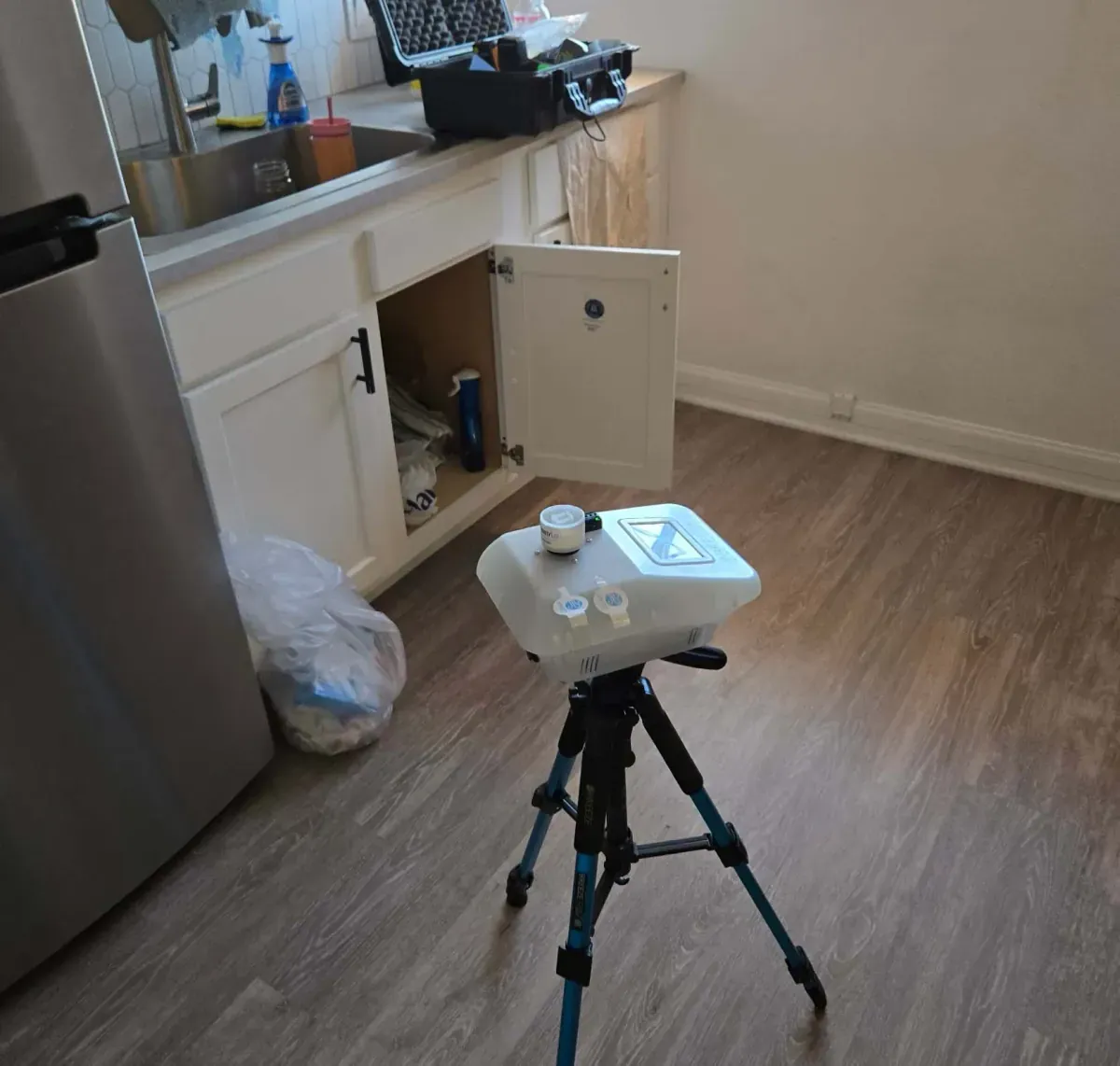
Professional mold testing usually begins with a detailed inspection of the property.
The process may include:
- Moisture meter readings in walls and floors
- Inspection of attics and ventilation systems
- Identifying areas affected by leaks or humidity
- Air or surface sampling when necessary
- Evaluating indoor humidity levels
These steps help determine whether mold is present and what conditions allowed it to develop.
Technicians familiar with Pompano Beach homes understand common moisture patterns and building layouts, which helps locate hidden problem areas efficiently.
Mold Removal and Remediation After Testing
If testing confirms mold growth, remediation is the next step. Mold removal involves safely cleaning contaminated areas, removing damaged materials when necessary, and correcting the moisture source.
Drying affected materials thoroughly is essential to prevent mold from returning. Dehumidifiers, air movers, and moisture monitoring help ensure that structural materials reach safe moisture levels before repairs are completed.
This process helps restore safe indoor conditions and protect the property.
Water Damage and Mold Growth
Water damage is one of the most common causes of mold in Pompano Beach homes. Roof leaks, plumbing failures, and flooding often leave moisture trapped inside structural materials.
Flood restoration and water removal services help eliminate hidden moisture and reduce the risk of mold growth. Homes in Margate, Coconut Creek, and North Lauderdale often require similar drying and restoration after storms.
Proper drying is essential because mold can begin developing quickly in humid environments.
Air Ducts, AC Systems, and Mold
Air conditioning systems can contribute to mold problems if moisture enters ducts or air handlers. Condensation inside ducts can create damp conditions that allow mold to develop.
When the system runs, spores may circulate throughout the home, affecting indoor air quality. Air duct inspection and cleaning may be recommended after mold remediation to ensure that ventilation systems remain clean and dry.
Maintaining AC systems and keeping drain lines clear also helps prevent moisture buildup.
Practical Steps Property Owners Can Take
Property owners can reduce the risk of mold by taking preventive measures:
- Inspect roofs and plumbing regularly
- Repair leaks immediately
- Maintain HVAC systems and drain lines
- Monitor indoor humidity levels
- Ensure proper ventilation in kitchens and bathrooms
- Schedule periodic moisture inspections
Routine maintenance helps prevent mold from developing in the first place.
Why Local Experience Matters
Mold testing in Pompano Beach requires an understanding of local humidity patterns, construction methods, and ventilation systems. Homes in Broward County often have attic layouts and duct systems that influence how moisture spreads and dries.
Professionals familiar with Pompano Beach, Deerfield Beach, and Lighthouse Point know where hidden moisture is most likely to remain and how to identify it effectively.
Pompano Mold Inspection and Testing has worked with many property owners to locate hidden mold, identify moisture sources, and restore indoor conditions. Local experience helps ensure that testing and remediation address long-term causes rather than temporary symptoms.
A Practical Next Step for Property Owners
Mold problems rarely resolve without identifying their source. Musty odors, stains, or persistent humidity often indicate hidden moisture that should be investigated.
Scheduling mold testing helps confirm whether mold is present and allows property owners to take corrective steps early. Early detection, proper drying, and timely remediation are the most effective ways to protect homes in Pompano Beach from long-term damage.