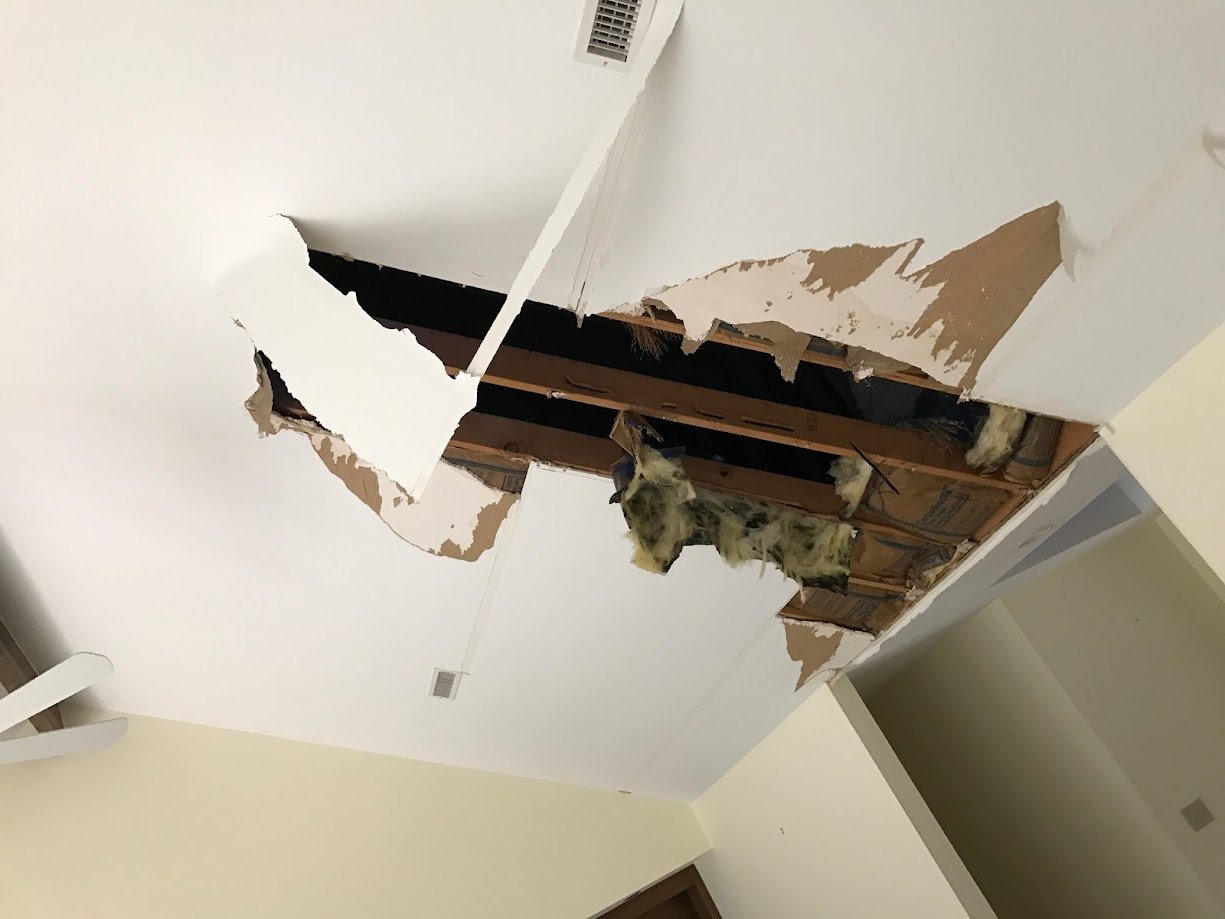
Property Owner Guide to Water Damage Repair in Lauderdale-by-the-Sea
Water damage is one of the most common issues property owners face in Lauderdale-by-the-Sea. Coastal humidity, heavy rainfall, plumbing failures, and roof leaks can all introduce moisture into a home or rental property. Even small amounts of water can cause serious problems if not addressed properly, including structural deterioration, mold growth, and indoor air quality concerns.
For property owners in Lauderdale-by-the-Sea and nearby areas such as Pompano Beach, Lighthouse Point, Deerfield Beach, and Fort Lauderdale, understanding how water damage repair works helps prevent long-term damage and reduces costly repairs.
What Water Damage Really Is
Water damage occurs when moisture enters areas of a property where it should not be and remains long enough to affect building materials. Drywall, insulation, wood framing, flooring, and carpets can all absorb water. Once moisture is absorbed, materials may weaken, warp, or develop odors.
In humid environments like Lauderdale-by-the-Sea, drying takes longer, which increases the risk of mold growth and further structural damage. Water damage repair focuses on removing moisture, drying materials, repairing affected areas, and preventing recurring issues.
Why Water Damage Is Common in Lauderdale-by-the-Sea
Several environmental and structural factors contribute to water damage in this coastal region:
- Heavy rain and seasonal storms
- Roof leaks caused by wind or aging materials
- Plumbing leaks and pipe failures
- High humidity slowing evaporation
- Air conditioning condensation issues
- Poor drainage around foundations
Homes in Coconut Creek, Margate, and North Lauderdale often experience similar challenges, particularly after severe storms or prolonged rainfall.
Because humidity levels remain high for much of the year, moisture may remain trapped long after visible water is gone.
Common Signs of Water Damage
Property owners should watch for early warning signs that may indicate hidden moisture.
Typical signs include:
- Water stains on ceilings or walls
- Musty or damp odors
- Peeling paint or bubbling drywall
- Warped flooring or baseboards
- Increased indoor humidity
- Sagging ceiling areas
These signs often indicate that water has already spread into structural materials.
Hidden Areas Where Water Damage Often Occurs
One of the biggest challenges with water damage is that it frequently develops in areas that are difficult to inspect.
Common hidden locations include:
Inside wall cavities after plumbing leaks
Attic insulation after roof leaks
Under flooring or carpet padding
Behind cabinets or appliances
Inside duct systems exposed to condensation
Because water travels along framing and structural components, the visible damage may be far from the source of the leak.
Why Prompt Water Damage Repair Is Important
Water damage rarely improves on its own. The longer moisture remains in building materials, the greater the risk of structural deterioration and mold growth.
Timely water damage repair helps:
- Prevent mold development
- Protect structural materials
- Eliminate persistent odors
- Maintain indoor air quality
- Reduce long-term repair costs
Addressing water damage early often allows materials to be dried and saved rather than replaced.
Why DIY Cleanup Often Falls Short
Some property owners attempt to dry affected areas using household fans or small dehumidifiers. While these methods can help with surface moisture, they often do not remove moisture trapped inside walls, insulation, or subflooring.
Drywall and wood can retain moisture internally even when they feel dry. Without moisture detection tools, hidden dampness may remain and lead to mold growth weeks later.
Professional repair and drying ensure that both visible and hidden moisture are addressed.
How Professional Water Damage Inspection Works
Water damage repair begins with a detailed inspection to determine the extent of moisture and locate the source.
The inspection process may include:
- Moisture meter readings in walls and floors
- Inspection of attic spaces and roofing areas
- Checking plumbing fixtures and connections
- Evaluating ductwork and ventilation systems
- Measuring indoor humidity levels
Technicians familiar with Lauderdale-by-the-Sea homes understand common construction methods and moisture patterns, which helps locate hidden damage more efficiently.
The Water Damage Repair Process
Once affected areas are identified, the repair process begins.
Typical steps include:
- Water Removal
Standing water is extracted from floors and affected areas. - Drying and Dehumidification
Air movers and dehumidifiers are used to remove moisture from materials and indoor air. - Cleaning and Sanitizing
Surfaces are cleaned to prevent odors and contamination. - Repairing or Replacing Materials
Damaged drywall, insulation, or flooring may be repaired or replaced. - Addressing the Source
Plumbing leaks, roof issues, or drainage problems are corrected to prevent recurrence.
This structured approach ensures that moisture is fully removed and the property is restored safely.
Mold Prevention After Water Damage
Mold growth is one of the most common complications of water damage. Damp materials provide ideal conditions for mold to develop, especially in humid coastal climates.
Proper drying and moisture control are essential to prevent mold. If mold is already present, remediation may be required before repairs are completed.
Homes in Deerfield Beach, Pompano Beach, and Lighthouse Point often require similar drying and mold prevention steps after leaks or storms.
Air Ducts, AC Systems, and Water Damage
Water intrusion can also affect HVAC systems. Moisture entering attic spaces or air handler areas may spread to ductwork, allowing condensation or mold to develop.
When this occurs, contaminated air may circulate throughout the home. Air duct inspection and cleaning may be recommended after water damage repair to ensure ventilation systems remain clean and dry.
Maintaining AC systems and keeping drain lines clear also helps prevent moisture buildup.
Practical Steps Property Owners Can Take
Property owners can reduce the risk of water damage by following a few preventive measures:
- Inspect roofs regularly, especially after storms
- Repair plumbing leaks promptly
- Keep gutters and drainage systems clear
- Maintain HVAC systems and condensate lines
- Monitor indoor humidity levels
- Address musty odors or damp areas quickly
Routine inspections help identify problems before they become serious.
Why Local Experience Matters
Water damage repair in Lauderdale-by-the-Sea requires an understanding of coastal weather patterns, humidity levels, and construction methods common in Broward County homes. Moisture spreads differently in humid environments, and drying often requires specialized techniques.
Professionals familiar with Lauderdale-by-the-Sea, Fort Lauderdale, and surrounding communities know where hidden moisture is most likely to remain and how to address it effectively.
Pompano Mold Inspection and Testing has assisted many property owners in locating hidden moisture, repairing water damage, and restoring indoor conditions. Local experience helps ensure repairs address long-term causes rather than temporary symptoms.
A Practical Next Step for Property Owners
Water damage should never be ignored, even when it appears minor. Moisture trapped inside structural materials can lead to mold growth, odors, and structural deterioration if left untreated.
If you notice stains, damp odors, or signs of leaks, scheduling a professional inspection and repair service helps protect your property and prevent larger repairs later. Early detection and proper drying remain the most effective ways to restore homes in Lauderdale-by-the-Sea.