Property Owner Guide to Water Damage Repair in Pompano Beach
Water damage is one of the most common issues property owners face in Pompano Beach. Between heavy seasonal rains, plumbing failures, roof leaks, and air-conditioning condensation, moisture intrusion can happen quickly and spread through a building before the problem becomes visible. When water is not removed and repaired properly, it can lead to mold growth, structural deterioration, and costly restoration work.
Understanding how water damage repair works and what steps to take helps property owners protect their homes and maintain safe indoor conditions.
What Water Damage Repair Means
Water damage repair involves more than simply drying visible water. It is a structured process that includes:
- Identifying the source of water intrusion
- Removing standing water
- Drying structural materials
- Cleaning and sanitizing affected areas
- Repairing damaged materials
The goal is to restore the property to safe, dry, and stable conditions while preventing future problems.
Why Water Damage Is Common in Pompano Beach
Pompano Beach and nearby communities such as Lighthouse Point, Deerfield Beach, and Margate experience environmental conditions that increase the risk of water intrusion.
These include:
- Heavy storms and seasonal rainfall
- High humidity levels year-round
- Coastal weather patterns
- Air-conditioning condensation
- Aging plumbing or roofing materials
Because humidity slows the drying process, even small leaks can lead to significant damage if not addressed promptly.
Common Causes of Water Damage
Water damage can occur for many reasons. Understanding these causes helps property owners respond quickly.
Plumbing Leaks
Leaks under sinks, behind walls, or near appliances are among the most frequent causes of water damage.
Roof Leaks
Damaged shingles or flashing can allow rainwater to enter attics and ceilings during storms.
Appliance Failures
Dishwashers, washing machines, and water heaters can leak unexpectedly and saturate nearby materials.
AC Condensation
Clogged condensate lines or overflowing drain pans may allow water to accumulate near air handlers or ducts.
Storm or Flooding Events
Heavy rain or poor drainage may allow water to enter homes through doors, windows, or foundations.
Early Warning Signs of Water Damage
Water damage often begins quietly. Property owners may notice subtle signs before major damage occurs.
Common warning signs include:
- Musty or damp odors
- Water stains on ceilings or walls
- Warped flooring or baseboards
- Peeling paint or bubbling drywall
- Increased indoor humidity
These signs often indicate moisture trapped in building materials.
Hidden Areas Where Water Damage Often Develops
Some of the most serious damage occurs in areas that are difficult to inspect.
Common hidden locations include:
- Inside wall cavities
- Beneath carpets or flooring
- Attic insulation and roof decking
- Around HVAC systems and ducts
- Behind cabinets or appliances
Because moisture can remain trapped in these areas, professional inspection is often recommended.
Why Prompt Water Damage Repair Is Important
Acting quickly after water intrusion provides several important benefits.
Prevents Mold Growth
Mold can begin developing when moisture remains in materials. Rapid drying reduces this risk.
Protects Structural Materials
Drywall, insulation, and wood framing can weaken if exposed to moisture for extended periods.
Reduces Repair Costs
Addressing water damage early often prevents larger restoration projects later.
Maintains Indoor Air Quality
Drying damp materials helps prevent odors and airborne contaminants.
Step-by-Step Water Damage Repair Process
Professional water damage repair typically follows a structured process to ensure thorough drying and restoration.
Step 1: Inspection and Damage Assessment
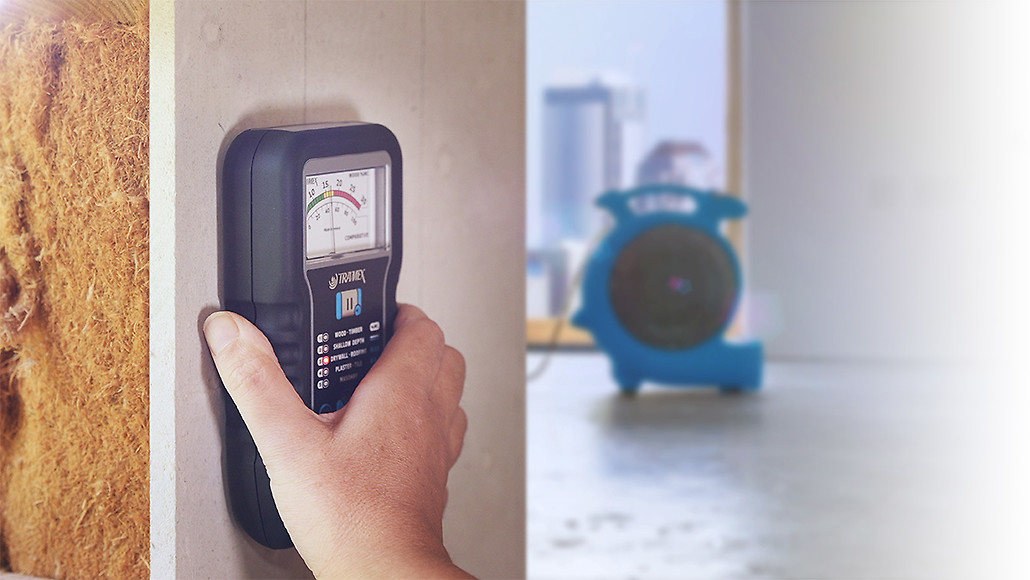
Technicians inspect the property to determine the extent of damage and locate moisture sources. Moisture meters and thermal imaging may be used to identify hidden dampness.
Step 2: Water Removal and Extraction
Standing water is removed using specialized extraction equipment. This step prevents further saturation of materials.
Step 3: Structural Drying
Air movers and dehumidifiers are used to remove moisture from walls, flooring, and structural components. This step is essential to prevent mold growth.
Step 4: Cleaning and Sanitizing
Surfaces affected by water are cleaned and treated to reduce odors and prevent microbial growth.
Step 5: Repairs and Restoration
Damaged materials such as drywall, insulation, or flooring may be repaired or replaced.
Step 6: Final Moisture Verification
Moisture readings confirm that all affected materials are dry and safe.
Companies such as Pompano Mold Inspection and Testing often assist property owners in Pompano Beach by locating hidden moisture and ensuring drying and repairs are completed properly.
Mold Risks After Water Damage
One of the most significant risks following water intrusion is mold growth. Warm temperatures and high humidity create ideal conditions for mold when materials remain damp.
Water damage repair helps prevent:
- Mold remediation costs
- Persistent odors
- Structural damage
- Indoor air quality problems
Early drying and repairs significantly reduce these risks.
HVAC Systems and Water Damage
Water intrusion can affect HVAC systems, especially when leaks occur in attics or ceilings where ductwork is located.
Signs of HVAC-related moisture issues include:
- Musty odors when the AC runs
- Condensation near vents
- Reduced airflow
Inspecting HVAC systems after water damage helps prevent moisture from spreading through the home.
Preventing Future Water Damage
Property owners in Pompano Beach can reduce the risk of future water damage by following practical maintenance steps:
- Inspect plumbing and appliances regularly
- Maintain roofs and gutters
- Clean AC drain lines periodically
- Monitor indoor humidity levels
- Address leaks immediately
- Schedule periodic moisture inspections
Routine maintenance helps detect small problems before they become serious.
Why Local Experience Matters
Water damage repair in coastal South Florida requires understanding regional climate conditions and construction practices. Professionals familiar with Pompano Beach understand:
- How humidity affects drying times
- Common storm-related and plumbing-related water issues
- Moisture behavior in coastal environments
- Proper drying techniques for humid climates
This experience helps ensure repairs are effective and long-lasting.
A Practical Next Step for Property Owners
Water damage can develop quickly but often begins with small warning signs. Scheduling a professional inspection and beginning repairs as soon as moisture is detected helps protect structural materials and prevent costly restoration work.
Property owners in Pompano Beach often rely on experienced local providers such as Pompano Mold Inspection and Testing to locate hidden moisture, perform structural drying, and restore homes safely. Acting early helps maintain property value and keeps homes comfortable throughout the year.