
Property Owner Guide to Water Removal in Deerfield Beach
Water intrusion is one of the most common and damaging issues property owners face in Deerfield Beach. Heavy rain, aging plumbing, AC failures, and storm-related flooding can introduce water into homes quickly and quietly. While some water events are obvious, many begin subtly and cause ongoing damage if not handled correctly. For property owners, understanding water removal is essential to protecting the structure, indoor conditions, and long-term value of the home.
In Deerfield Beach and nearby areas such as Pompano Beach, Lighthouse Point, Margate, and Lauderdale-by-the-Sea, water removal is not just about cleanup. It is a critical step that stops damage in its tracks, prevents mold growth, and supports proper restoration. Knowing how water removal works helps property owners respond calmly and correctly when water issues arise.
What Water Removal Really Means
Water removal is the process of extracting unwanted water from a property and eliminating moisture from affected materials. It goes far beyond mopping floors or drying visible puddles.
When water enters a home, it spreads into flooring, walls, insulation, cabinetry, and structural components. Porous materials absorb water quickly and hold it deep inside. Without professional water removal, this moisture remains trapped, continuing to damage materials even after surfaces appear dry.
Effective water removal addresses both visible water and hidden moisture, ensuring the home is stabilized before repairs begin.
Why Water Issues Are Common in Deerfield Beach
Deerfield Beach’s climate makes water problems frequent. Seasonal storms can bring heavy rainfall in short periods, overwhelming drainage systems and allowing water to enter homes through doors, windows, or garages.
Slab foundations common in South Florida allow moisture to migrate upward when soil becomes saturated. Aging plumbing systems, roof wear, and AC condensation issues further increase risk. High humidity slows natural drying and allows moisture to linger longer than expected.
Even small leaks can cause extensive damage over time in this environment, making water removal a priority rather than an optional service.
Common Situations That Require Water Removal
Water removal is often needed after obvious events like flooding or burst pipes, but many situations are less dramatic. Roof leaks can soak ceilings and insulation long before stains appear. AC condensation overflows can saturate flooring and walls near air handler closets.
Plumbing leaks under sinks, behind walls, or near water heaters may go unnoticed until damage spreads. Appliance failures involving washing machines, dishwashers, or refrigerators are also common causes.
In each case, prompt water removal reduces damage and shortens recovery time.
Early Signs Water Removal May Be Needed
Property owners often notice warning signs before standing water appears. Damp or soft flooring, bubbling paint, or swelling baseboards indicate moisture intrusion. Musty odors are another common sign, especially after rain or AC operation.
Discoloration on ceilings or walls, sagging drywall, or increased indoor humidity may also signal trapped moisture. Ignoring these signs allows damage to spread deeper into the home.
Water removal is most effective when performed early, before moisture becomes widespread.
Hidden Damage Caused by Trapped Water
Some of the most serious water damage is hidden from view. Water can travel behind walls, under cabinets, and into insulation without obvious surface clues.
Wet insulation loses effectiveness and remains damp, feeding humidity and odors. Wood framing can weaken over time as moisture breaks down fibers. Electrical components may also be affected even if outlets appear dry.
If water reaches ductwork or HVAC systems, moisture can spread throughout the home. Hidden damage is why water removal must address more than what can be seen.
Why DIY Drying Is Not Enough
Many property owners attempt to handle water issues themselves using fans, wet vacuums, or household dehumidifiers. While these tools may reduce surface moisture, they rarely remove water trapped inside materials.
Without professional moisture detection, damp areas remain untreated. In Deerfield Beach’s humid climate, this trapped moisture can persist and lead to mold growth, odors, and material failure.
DIY drying also does not address contamination concerns when water comes from plumbing leaks or outdoor intrusion. Professional water removal ensures thorough drying and proper handling.
Professional Water Removal and Moisture Detection
Professional water removal begins with assessment. Moisture detection tools are used to identify affected areas behind walls, under floors, and above ceilings.
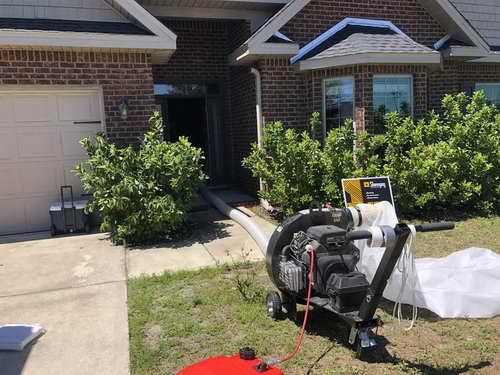
Standing water is extracted using high-powered equipment designed for residential spaces. More importantly, drying and dehumidification are applied to materials that absorbed water.
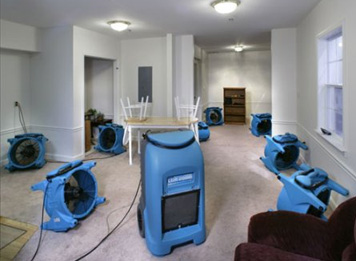
Industrial air movers and dehumidifiers work together to pull moisture out of structures while controlling indoor humidity. Moisture levels are monitored to confirm drying is complete.
The Role of Drying and Dehumidification
Drying is a critical phase of water removal. Simply airing out a room is ineffective in high-humidity environments like Deerfield Beach.
Professional drying equipment accelerates evaporation and removes moisture from the air, allowing materials to dry safely. Dehumidification prevents moisture from reabsorbing into surfaces during the process.
Proper drying stops ongoing damage and prepares the home for any necessary repairs.
Mold Risk After Water Intrusion
Mold growth is a common secondary concern after water events. Mold can begin developing within 24 to 48 hours when moisture remains.
Water removal significantly reduces mold risk by eliminating the moisture mold needs to grow. When water is not removed properly, mold may develop in hidden areas such as wall cavities, under flooring, or inside insulation.
In cases where mold is suspected, professional mold inspection and remediation may be required as part of the recovery process.
Water Removal and Property Restoration
Water removal is the foundation of proper restoration. Once moisture is eliminated, repairs can be made safely and effectively.
Restoration may involve repairing drywall, replacing flooring, reinstalling insulation, or addressing structural components. Skipping water removal or drying steps leads to recurring damage and additional costs.
For property owners, water removal protects both the immediate condition and long-term value of the home.
Preventing Future Water Damage
Prevention begins with maintenance. Regular roof inspections, plumbing checks, and AC servicing reduce the risk of water intrusion. Keeping gutters and drains clear helps manage rainwater.
Monitoring indoor humidity and responding quickly to leaks or spills also makes a difference. After any water event, professional drying and moisture checks ensure problems are fully resolved.
In Deerfield Beach’s climate, prevention requires ongoing attention rather than one-time fixes.
Why Local Experience Matters
Water removal in Deerfield Beach requires understanding local weather patterns, construction styles, and moisture behavior. Coastal humidity, slab foundations, and frequent storms influence how water spreads and dries.
Pompano Mold Inspection and Testing brings experience working throughout Deerfield Beach, Pompano Beach, Lighthouse Point, Margate, and surrounding Broward County communities. Local knowledge helps ensure water removal addresses both visible water and hidden moisture.
A Practical Guide for Property Owners
Water intrusion does not have to become a long-term problem. Early response and proper water removal protect the home and reduce restoration costs.
For Deerfield Beach property owners, understanding water removal provides confidence and clarity during stressful situations. By addressing moisture completely and promptly, homes remain safe, stable, and resilient in South Florida’s challenging environment.
