
Property Owner Guide to Water Removal in Lighthouse Point
Water intrusion is a reality for property owners in Lighthouse Point. Coastal rainstorms, tidal influence, plumbing failures, and AC condensation can introduce water into homes faster than expected. What often causes the most trouble isn’t the visible water—it’s the moisture that remains trapped in floors, walls, and structural materials after the initial cleanup.
Water removal is the first and most critical step in protecting a property after water exposure. Understanding how the process works, what to watch for, and why timing matters helps property owners reduce damage and prevent long-term issues in Lighthouse Point’s coastal environment.
What Water Removal Really Means
Water removal is the process of extracting unwanted water from a property and stabilizing affected areas so proper drying can begin. It’s not the same as mopping up visible water.
In residential properties, water removal typically includes:
- Extracting standing water from floors and surfaces
- Removing water trapped in carpets and padding
- Reducing moisture levels to prevent further spread
- Preparing materials for controlled drying
The goal is to stop water from continuing to damage the structure.
Why Water Removal Is So Important in Lighthouse Point
Lighthouse Point’s coastal location creates unique challenges. High humidity, salt air, and frequent storms slow natural drying and allow moisture to linger longer than inland areas.
Local risk factors include:
- Heavy seasonal rain and storm surge
- Wind-driven rain entering through doors and windows
- High groundwater levels
- Aging plumbing in some neighborhoods
- AC systems producing constant condensation
Without prompt water removal, moisture can migrate into hidden areas quickly.
Common Causes of Water Intrusion in Residential Homes
Understanding the source of water helps guide proper removal and follow-up steps.
Common causes in Lighthouse Point include:
- Roof leaks during storms
- Plumbing leaks or pipe failures
- Appliance overflows
- AC drain line clogs or pan overflows
- Water intrusion near sliders and entry doors
Even small, repeated water events can cause significant damage over time.
Early Signs Property Owners Should Not Ignore
Water damage doesn’t always announce itself with standing water. Subtle signs often appear first.
Watch for:
- Damp or cool flooring
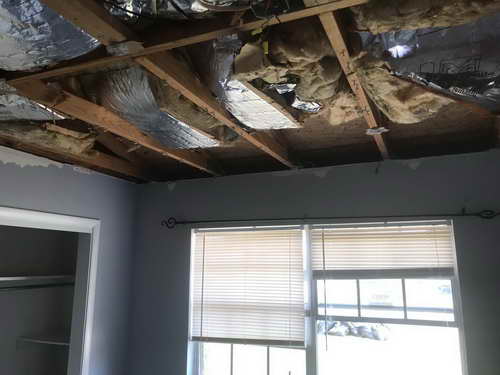
- Water stains on walls or ceilings
- Warped baseboards or trim
- Musty or persistent odors
- Rising indoor humidity
These signs usually indicate moisture that requires professional water removal and drying.
Hidden Water: The Biggest Risk After Intrusion
One of the most serious issues after a water event is moisture trapped where it can’t be seen.
Professionals often find hidden water in:
- Wall cavities behind drywall
- Carpet padding and subfloors
- Cabinets and built-in features
- Insulation in walls or attics
- Areas around AC systems
Without proper extraction, this moisture continues to damage materials.
Why Timing Matters With Water Removal
Time is a critical factor. The longer water remains, the more damage it can cause—especially in Lighthouse Point’s humid climate.
Delays can lead to:
- Expanded material damage
- Increased odor problems
- Higher risk of mold development
- More invasive repairs
Early water removal helps keep restoration manageable.
Why DIY Water Removal Often Falls Short
Property owners sometimes try to handle water removal with shop vacuums or household fans. While these steps may help initially, they rarely address water trapped below surfaces.
DIY methods often fail because:
- Household equipment lacks extraction power
- Moisture remains in carpets, walls, and floors
- Drying is uneven
- The water source may still be active
Professional water removal targets both visible and hidden water.
Professional Water Removal Explained
Professional water removal starts with assessment. In Lighthouse Point homes, this often includes moisture mapping to track how far water has spread.
The process typically involves:
- High-powered extraction of standing water
- Removing water from carpets and padding
- Targeted extraction in affected rooms
- Preparing the structure for controlled drying
This approach ensures water removal is thorough, not cosmetic.
Local providers such as Pompano Mold Inspection and Testing emphasize inspection-first water removal to reduce missed moisture and repeat damage.
Water Removal and Mold Prevention
Mold needs moisture to grow. Effective water removal is one of the most important steps in preventing mold after a water event.
Water removal helps by:
- Eliminating moisture quickly
- Reducing humidity levels
- Limiting how far water spreads
- Supporting proper drying and inspection
Prompt action often prevents the need for extensive remediation later.
The Role of Drying After Water Removal
Water removal and drying work together. Once water is extracted, materials must be dried thoroughly to prevent lingering issues.
Drying often includes:
- Air movers to increase evaporation
- Dehumidifiers to control indoor humidity
- Moisture monitoring to confirm progress
Skipping proper drying can allow problems to return.
AC Systems and Water Removal Concerns
In Lighthouse Point homes, AC systems are frequently involved in water events. Condensate issues can introduce water even when storms aren’t present.
Water removal assessments often include:
- Inspecting drain pans and condensate lines
- Checking air handlers for leaks
- Evaluating ductwork for moisture exposure
Addressing AC-related water early reduces repeat incidents.
Water Removal After Storms vs. Plumbing Leaks
Not all water events are the same, and removal strategies vary.
- Storm-related water may affect multiple areas and enter through several points.
- Plumbing-related water may be localized but saturate floors quickly.
Professional water removal adapts to the source and spread of water.
Preventing Future Water Problems
While not all water events can be prevented, property owners can reduce risk by staying proactive.
Helpful prevention steps include:
- Maintaining roofs, windows, and seals
- Servicing plumbing and AC systems regularly
- Addressing small leaks immediately
- Scheduling post-storm inspections
- Monitoring indoor humidity
Prevention works best when paired with early water removal.
Why Local Experience Matters in Lighthouse Point
Water behaves differently in coastal homes than inland properties. Local experience matters because professionals understand how Lighthouse Point’s humidity, construction styles, and weather patterns affect water movement and drying.
Local specialists know where water typically enters homes and how to remove it effectively in a humid coastal environment.
A Practical Takeaway for Property Owners
Water removal is the foundation of recovery after water intrusion. For Lighthouse Point property owners, acting quickly and thoroughly can prevent long-term damage, odors, and repeated repairs.
If your property has experienced water exposure—whether from storms, plumbing, or AC issues—a professional assessment can clarify what needs to be done next. Proper water removal protects the structure, preserves property value, and helps ensure your home is truly dry in Florida’s demanding coastal climate.
