
Property Owner Guide to Water Testing in Fort Lauderdale
Water issues are a common concern for property owners in Fort Lauderdale. Between heavy seasonal rain, aging plumbing systems, coastal groundwater pressure, and frequent storm activity, water intrusion can affect homes and rental properties in ways that are not always obvious. Water testing helps property owners understand what type of water exposure has occurred, whether hidden risks exist, and how to make informed decisions about repairs and prevention.
For Fort Lauderdale property owners, water testing is not just a response to emergencies. It is a practical tool for protecting buildings, maintaining property value, and avoiding long-term moisture-related damage.
Why Water Testing Is Important for Fort Lauderdale Properties
Fort Lauderdale’s environment creates ongoing water-related risks. High humidity slows drying, while flat terrain and high water tables increase the likelihood of water intrusion. Even minor plumbing leaks or short-term flooding can leave behind moisture that lingers inside walls, floors, and cabinets.
Water testing helps property owners confirm whether water exposure involved clean water or potentially contaminated sources. This information is essential when deciding how repairs should be handled and whether additional cleanup steps are needed.
In multi-unit and rental properties, water testing also supports responsible property management by providing clarity and documentation.
Common Situations Where Water Testing Is Needed
Water testing is often recommended after certain events. Plumbing leaks involving drain lines, sewer connections, or unknown water sources are common triggers. Flooding after heavy rain or storms can also introduce water from multiple sources at once.
Appliance failures, such as water heater leaks or washing machine overflows, may require testing if water spread into walls or lower levels. In some cases, long-term moisture problems prompt testing to better understand what the property has been exposed to.
Properties in nearby areas like Lauderdale-by-the-Sea, Pompano Beach, and Lighthouse Point face similar conditions, but Fort Lauderdale’s dense development often increases the complexity of water exposure.
What Water Testing Really Means
Water testing for residential and commercial properties is not limited to drinking water quality. In the context of property protection, water testing helps evaluate the nature of water intrusion and potential contamination concerns.
Testing may involve evaluating water samples from affected areas or plumbing systems when the source of water is uncertain. It is most effective when combined with inspection and moisture detection rather than used on its own.
Water testing supports informed decisions rather than assumptions.
Early Warning Signs Property Owners Should Not Ignore
Many water-related issues provide early warning signs. A persistent musty or damp odor is often the first indicator that water has been present longer than it should be.
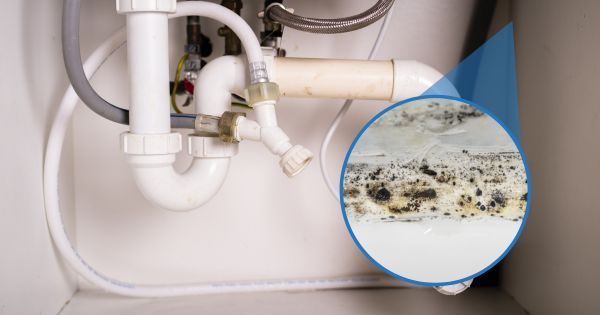
Discoloration on walls or ceilings, peeling paint, bubbling drywall, or warped baseboards can also signal water exposure. Cabinets under sinks may feel soft or show swelling even when no active leak is visible.
Unexplained increases in water bills or recurring moisture in the same areas are additional signs that testing and further evaluation may be needed.
Hidden Water Damage in Fort Lauderdale Properties
One of the biggest challenges for property owners is hidden water damage. Water often travels behind drywall, under flooring, and into insulation without leaving visible surface damage.
Slab foundation properties are especially vulnerable. Water from plumbing leaks or saturated ground can migrate upward into flooring and lower walls, sometimes weeks after the original issue occurred.
Without proper evaluation, these hidden areas may remain damp long after surface repairs are completed.
Why Visual Inspection Alone Is Not Enough
Visual inspection plays an important role, but it has limits. Walls and floors can appear dry while still holding moisture inside. Cabinets may look intact while their bases remain damp underneath.
Water testing and moisture detection provide objective information that visual checks cannot. They help confirm whether repairs have truly resolved the problem or if moisture remains trapped inside materials.
Relying on appearance alone often leads to incomplete repairs and recurring issues.
How Water Testing Fits into the Inspection Process
Water testing is typically guided by inspection findings. The process begins with identifying where water entered the property and how far it spread.
Once potential exposure areas are identified, testing may be used to evaluate water sources or support cleanup decisions. Moisture detection tools are often used alongside testing to locate damp materials inside walls, floors, and ceilings.
This combined approach ensures testing is relevant and results are meaningful.
Water Testing and Water Damage Repair
Water testing plays an important role in water damage repair planning. Knowing what type of water entered the property helps determine how materials should be handled.
Some materials may be safely dried and restored, while others may require removal. Testing supports these decisions and helps avoid rebuilding over materials that could cause future problems.
This step reduces the risk of repeated damage and unnecessary repair costs.
Connection Between Water Issues and Mold Risk
Water problems and mold growth are closely connected in South Florida. Mold requires moisture to grow, and hidden water exposure provides ideal conditions.
Water testing alone does not identify mold, but it supports a broader evaluation by clarifying the nature and duration of water exposure. When combined with moisture detection and mold inspection, testing helps determine whether mold-related risks should be addressed.
Early evaluation significantly reduces the likelihood of mold problems developing later.
Water Testing in Rental and Investment Properties
For property owners with rental or investment properties, water testing offers additional benefits. It helps document conditions after leaks or flooding and supports informed repair decisions.
Testing can also help prevent disputes by providing clear information about water exposure and remediation steps. Maintaining dry, well-managed properties protects long-term value and reduces tenant complaints related to moisture issues.
In Fort Lauderdale’s competitive property market, proactive water management is a smart investment.
Preventing Future Water Problems
Prevention starts with understanding past water issues. Water testing and inspection often reveal vulnerabilities such as aging plumbing, drainage problems, or exterior openings that allow water intrusion.
Addressing these issues reduces the risk of future water damage. Regular inspections, prompt plumbing repairs, and moisture monitoring help property owners stay ahead of problems.
After storms or major repairs, follow-up moisture checks help confirm that conditions remain stable.
Why Local Experience Matters
Water testing in Fort Lauderdale requires local knowledge. Florida’s rainfall patterns, humidity levels, construction styles, and plumbing layouts all influence how water behaves inside properties. Local experience helps ensure testing is appropriate and results are interpreted accurately.
Pompano Mold Inspection and Testing brings that local expertise to water testing, moisture detection, mold inspection, and water damage services throughout Fort Lauderdale, Pompano Beach, Lauderdale-by-the-Sea, Lighthouse Point, Coconut Creek, Deerfield Beach, Margate, North Lauderdale, and surrounding Broward County communities.
What Property Owners Should Take Away
Water issues are not always obvious, but their impact can be significant. Water testing helps Fort Lauderdale property owners understand what their buildings have been exposed to and make informed decisions about repairs and prevention. By combining testing with inspection and moisture control, property owners can reduce risk, protect their investments, and maintain healthier, more durable properties over the long term.
