
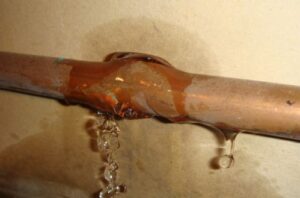
Risks and Prevention Methods: Water Leak Detection in North Lauderdale After Hurricanes
North Lauderdale, Florida, is no stranger to tropical storms and hurricanes. While these storms can bring heavy rainfall, strong winds, and flooding, they also create long-term risks for residential and commercial properties—particularly water damage and leaks. Detecting water leaks promptly after a hurricane is essential to prevent structural damage, mold growth, electrical hazards, and health risks.
Water intrusion from hurricanes can be subtle, hidden behind walls, under flooring, or within ceilings. Without professional water leak detection services, these leaks may go unnoticed, causing extensive damage over time. Homeowners who proactively identify and repair leaks not only protect their property but also safeguard their families’ health and maintain indoor air quality.
This guide provides a detailed look at the risks associated with water leaks after hurricanes, explains the detection methods, and outlines prevention strategies for North Lauderdale homeowners.
1. Why Water Leak Detection Is Critical After Hurricanes
Hurricanes bring intense rainfall, storm surges, and flooding, all of which can compromise a property’s integrity. Water leak detection is critical for several reasons:
1.1 Prevent Structural Damage
- Water can weaken wooden beams, flooring, drywall, and foundations.
- Leaks behind walls or under floors often go unnoticed until significant damage occurs.
- Undetected leaks can result in costly repairs, including structural reinforcement, flooring replacement, or drywall restoration.
1.2 Prevent Mold and Mildew Growth
- Moisture from leaks creates an ideal environment for mold, mildew, and bacteria.
- Mold can spread quickly through walls, ceilings, and HVAC systems, posing health risks to residents.
- Early leak detection prevents long-term mold contamination, reducing remediation costs.
1.3 Protect Indoor Air Quality
- Water intrusion compromises ventilation and airflow, allowing contaminants to circulate indoors.
- Damp environments can harbor dust mites, mold spores, and other allergens.
- Homes with undetected leaks often experience musty odors and poor indoor air quality.
1.4 Prevent Electrical Hazards
- Water leaks near electrical wiring or outlets can create short circuits, fire risks, or electrocution hazards.
- Detecting leaks promptly helps prevent accidents and ensures residents’ safety.
2. Common Causes of Water Leaks After Hurricanes
Hurricanes can create a variety of conditions that lead to water leaks, even in well-maintained homes:
2.1 Roof and Gutter Damage
- High winds and heavy rainfall can tear shingles, damage flashing, or clog gutters, allowing water to enter the home.
- Roof leaks often go unnoticed until water stains appear on ceilings or walls.
2.2 Window and Door Leaks
- Improperly sealed windows and doors may allow stormwater intrusion.
- Pressure from wind-driven rain can force water through small gaps, creating hidden leaks.
2.3 Plumbing Failures
- Hurricanes can stress plumbing systems, causing pipes to crack or loosen at joints.
- Burst water lines, especially in basements or utility areas, contribute to hidden water damage.
2.4 Flooding and Storm Surges
- Storm surges and flash floods can introduce water into basements, crawlspaces, and lower floors.
- Standing water can infiltrate walls, floors, and HVAC systems, increasing the risk of leaks.
2.5 HVAC System Issues
- Air conditioning units and ductwork can accumulate condensation or water intrusion during storms.
- Moisture in HVAC systems can lead to mold growth and reduced efficiency.
3. Risks Associated with Undetected Water Leaks
Failure to detect leaks after a hurricane can lead to serious consequences:
3.1 Health Risks
- Mold exposure causes respiratory problems, allergies, and asthma exacerbation.
- Standing water or damp environments can attract bacteria and pests, further compromising health.
3.2 Structural Damage
- Prolonged water exposure weakens structural components, causing sagging ceilings, warped floors, and wall deterioration.
- Foundation cracks may develop if moisture persists, leading to long-term stability issues.
3.3 Electrical Hazards
- Water infiltration near wiring, outlets, or appliances increases the risk of short circuits, fires, and electrocution.
3.4 Financial Implications
- Delayed detection can result in higher repair costs for mold remediation, structural repair, and replacement of water-damaged materials.
- Insurance coverage may not apply if damage results from neglected leaks rather than direct storm impact.
4. Signs of Water Leaks After Hurricanes
Homeowners should monitor their property for warning signs of leaks:
4.1 Visible Water Damage
- Stains, discoloration, or peeling paint on ceilings and walls.
- Warping or buckling of floors, baseboards, or cabinets.
4.2 Musty Odors
- Persistent earthy or damp smells often indicate hidden water accumulation.
4.3 Increased Humidity or Condensation
- Condensation on windows, pipes, or HVAC systems may signal a leak.
- Damp or wet areas in basements, crawlspaces, or attics should be investigated.
4.4 Unexplained Mold Growth
- Mold may appear behind walls, under flooring, or around plumbing fixtures.
- Black or green spots often indicate prolonged moisture exposure.
4.5 Plumbing or Appliance Issues
- Reduced water pressure, leaks under sinks, or dripping appliances may indicate storm-related damage.
5. Water Leak Detection Methods
Professional water leak detection after hurricanes involves several techniques:
5.1 Visual Inspection
- Technicians inspect walls, ceilings, floors, plumbing systems, and appliances for visible signs of water intrusion.
5.2 Moisture Meters
- Moisture meters detect hidden moisture levels within walls, flooring, and insulation.
5.3 Thermal Imaging
- Infrared cameras identify temperature variations caused by water accumulation, revealing leaks behind walls or under floors.
5.4 Acoustic Leak Detection
- Sensitive equipment listens for water movement or pipe leaks, useful for hidden plumbing issues.
5.5 Air Pressure Testing
- Air pressure techniques identify leaks in plumbing systems or water supply lines.
5.6 Post-Detection Verification
- Once a leak is located and repaired, technicians verify that the area is dry and free of moisture, reducing the risk of mold or structural damage.
6. Prevention Methods After Hurricanes
Preventing water leaks and damage after hurricanes requires proactive measures and ongoing maintenance:
6.1 Roof and Gutter Maintenance
- Inspect and repair roof shingles, flashing, and gutters before and after hurricane season.
- Ensure gutters and downspouts direct water away from the foundation.
6.2 Window and Door Sealing
- Inspect seals, caulking, and weatherstripping around windows and doors.
- Apply waterproof sealants where necessary to prevent water intrusion.
6.3 Plumbing Inspection
- Inspect all plumbing systems, including water heaters, sinks, toilets, and pipes, for damage or stress.
- Repair or replace faulty pipes promptly.
6.4 Flood Prevention
- Install sump pumps or backflow valves in basements or crawlspaces.
- Use landscaping and grading techniques to divert water away from the property.
6.5 HVAC Maintenance
- Inspect HVAC systems, ducts, and condensate lines for leaks or moisture accumulation.
- Consider professional duct cleaning after flooding or water intrusion.
6.6 Regular Home Inspections
- Schedule annual inspections by professionals for water intrusion and leaks.
- Perform post-storm inspections to detect damage early.
6.7 Moisture Control
- Use dehumidifiers in damp areas to maintain indoor humidity between 40–50%.
- Ensure proper ventilation in attics, crawlspaces, and bathrooms.
6.8 Insurance Preparedness
- Maintain adequate homeowners insurance coverage for storm damage and water intrusion.
- Document home conditions and repairs to facilitate claims if needed.
7. Case Study: Water Leak Detection in North Lauderdale
A North Lauderdale homeowner noticed musty odors and water stains on the ceiling after a hurricane. Professional water leak detection revealed:
- A small roof leak causing water intrusion near the attic.
- Hidden moisture in the ceiling and insulation.
- Minor plumbing damage in a kitchen supply line.
The solution included:
- Repairing the roof and sealing damaged areas.
- Replacing wet insulation and drywall.
- Repairing the faulty plumbing line.
- Installing a dehumidifier to prevent moisture recurrence.
- Post-repair verification using moisture meters to ensure the home was dry.
Outcome: The home was restored to a safe, dry condition, preventing mold growth and long-term structural damage.
8. Conclusion
Water leaks after hurricanes pose serious risks for North Lauderdale homes, including structural damage, mold growth, health hazards, and financial losses. Prompt water leak detection is essential to identify hidden leaks, prevent long-term damage, and maintain a safe living environment.
Homeowners should combine professional water leak detection services with preventive measures such as roof and gutter maintenance, window and door sealing, plumbing inspections, HVAC maintenance, and proper moisture control. Regular inspections and post-storm assessments ensure that minor issues do not escalate into major repairs or health hazards.
By understanding the risks and implementing proactive detection and prevention strategies, homeowners in North Lauderdale can protect their property, improve indoor air quality, and safeguard the health of their families even in the face of Florida’s hurricane-prone climate.
