
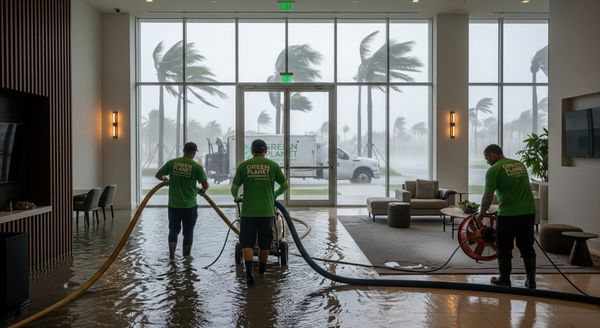
Step-by-Step Process Explained: Water Removal in Lauderdale-by-the-Sea in Commercial Buildings
Water intrusion in a commercial building is more than an inconvenience. In Lauderdale-by-the-Sea, it can shut down operations, disrupt tenants, damage inventory, and quietly create long-term moisture problems if it isn’t handled correctly from the start. Coastal humidity, sudden storms, aging infrastructure, and nonstop AC use all combine to make water damage in this area more complex than it first appears.
This article walks through the full, step-by-step water removal process used in commercial buildings in Lauderdale-by-the-Sea, explaining what actually happens on-site, why each step matters, and how proper water removal connects to moisture detection, mold inspection and testing, flood restoration, and long-term prevention. The goal is clarity, not alarm—so property managers and owners know what to expect and why professional methods matter.
Understanding the Water Removal Problem in Commercial Buildings
Water removal in a commercial property is rarely just about visible water. While puddles, soaked carpet, or dripping ceilings get attention quickly, the real risk usually lies beneath surfaces and behind walls. Water spreads fast through commercial structures, especially those with shared walls, long corridors, and interconnected HVAC systems.
In Lauderdale-by-the-Sea, common water sources include roof leaks after heavy rain, plumbing failures, AC condensation issues, and storm-related flooding. Once water enters the building, it follows gravity, airflow, and building materials—often settling in places no one sees until odor, staining, or mold appears weeks later.
That’s why professional water removal focuses on detection and control, not just cleanup.
Why Water Damage Is So Common in Lauderdale-by-the-Sea
Commercial properties in this coastal area face a unique set of conditions:
- High year-round humidity that slows natural drying
- Heavy seasonal rains and sudden storms
- Salt air that accelerates wear on building materials
- Flat or low-slope roofs common in commercial construction
- Constant air conditioning creating condensation
- Older plumbing systems in many established buildings
Even small leaks can become persistent moisture problems when warm, humid air keeps materials from drying properly. Without proper water removal and dehumidification, moisture can linger long after surfaces appear dry.
Early Warning Signs in Commercial Properties
Property managers and tenants often notice subtle signs before major damage becomes obvious. These include:
- Wet or warped flooring in offices, hallways, or retail spaces
- Stained ceiling tiles or bubbling drywall
- Musty or damp odors, especially when the AC runs
- Increased indoor humidity despite normal cooling
- Peeling paint or soft baseboards
- Recurring moisture near mechanical rooms or restrooms
These signs usually indicate that water has moved beyond the surface and requires professional moisture detection.
Hidden and Overlooked Moisture Sources
In commercial buildings, water rarely stays where it starts. Common hidden moisture locations include:
- Behind baseboards and wall coverings
- Under vinyl plank, laminate, or carpet tiles
- Inside drywall cavities and insulation
- Beneath concrete slabs where vapor rises
- Around air handlers and condensate drain lines
- Inside ductwork affected by condensation
These hidden areas are why water removal must be systematic and measured, not rushed.
Why DIY Water Removal Is Risky in Commercial Spaces
Basic cleanup tools and fans may remove surface moisture, but they rarely solve the underlying problem. DIY approaches often fail because:
- Moisture inside walls and floors is left untreated
- Humidity is circulated instead of removed
- Drying progress isn’t measured or verified
- Odors and mold appear later, after reopening
In commercial buildings, these mistakes can lead to tenant complaints, repeated shutdowns, and costly rework. Professional water removal relies on data, not guesswork.
Step-by-Step Professional Water Removal Process
Step 1: Safety and Site Stabilization
The first priority is safety. Technicians assess electrical risks, slipping hazards, and structural concerns. Active water sources are shut off, and affected areas are isolated to prevent further spread or disruption to ongoing business operations.
Step 2: Inspection and Moisture Detection
Using moisture meters, thermal imaging, and humidity readings, professionals map exactly where water has traveled. This step determines which materials are affected and how aggressive the drying process needs to be.
Step 3: Water Extraction
Standing water and saturated surfaces are addressed first using commercial-grade extraction equipment. This may include truck-mounted systems, portable extractors, or pumps, depending on the volume of water and building layout.
Step 4: Targeted Material Removal
If certain materials cannot dry properly—such as soaked drywall, insulation, or flooring—controlled removal prevents moisture from becoming trapped. This step is done selectively to preserve as much of the building as possible.
Step 5: Structural Drying and Dehumidification
Air movers and commercial dehumidifiers are strategically placed to create controlled airflow and actively remove moisture from the air. In humid Lauderdale-by-the-Sea conditions, this step is critical to achieving proper drying.
Step 6: Monitoring and Adjustments
Moisture levels are checked regularly, and equipment placement is adjusted as conditions change. Drying continues until materials return to acceptable moisture levels, not just until they feel dry.
Step 7: Cleaning, Sanitizing, and Mold Prevention
Depending on the type of water intrusion, antimicrobial treatments may be applied to prevent microbial growth. In some cases, mold inspection and testing is recommended, especially if water remained for more than 24 to 48 hours.
Step 8: Restoration and Repairs
Once drying is complete, repairs begin. This can include drywall replacement, flooring repair, painting, and other water damage–related restoration work needed to return the space to normal use.
Flood Restoration in Coastal Commercial Buildings
Flood restoration involves additional steps beyond standard water removal. Storm-driven flooding can introduce contaminated water and debris, requiring deeper cleaning, extended drying, and more extensive repairs. Commercial flood restoration often includes disinfection protocols, material replacement, and coordination with property managers to minimize downtime.
The Role of HVAC and Air Ducts in Water Damage
Air conditioning systems are closely tied to moisture issues in commercial buildings. Condensate drain backups, sweating ducts, and poorly insulated air handlers can all contribute to water problems. After a water event, air ducts and HVAC components should be evaluated for moisture, as trapped condensation can spread odors and mold throughout the building.
Air duct cleaning and AC-related moisture repairs are often part of a complete water removal strategy in South Florida.
Preventing Future Water Problems
While water damage can’t always be avoided, many issues are preventable with proactive maintenance:
- Regular roof and drainage inspections
- Routine AC servicing and condensate line cleaning
- Prompt response to small leaks
- Monitoring indoor humidity levels
- Scheduled moisture inspections in high-risk areas
Consistent maintenance reduces the likelihood of repeat water damage and costly interruptions.
Why Local Experience Makes a Difference
Water removal in coastal South Florida is different from water removal elsewhere. Professionals familiar with Lauderdale-by-the-Sea and nearby areas like Pompano Beach, Lighthouse Point, Deerfield Beach, Margate, Coconut Creek, North Lauderdale, and Fort Lauderdale understand how humidity, storms, and building design affect drying outcomes.
Pompano Mold Inspection and Testing brings that local understanding to each inspection and water removal project, focusing on accurate moisture detection and proper drying rather than rushed solutions.
A Practical Next Step
If your commercial building has experienced water intrusion, the most effective response is a measured, professional evaluation. Proper water removal protects the structure, supports tenant safety, and helps prevent mold and long-term moisture issues. Addressing the problem early and thoroughly is always easier than dealing with the consequences later.
Image Prompts (Free-Use, No People, No Text, No Logos)
- Realistic interior photo of a commercial office space in coastal Florida with professional water extraction equipment and wet concrete flooring.
- Realistic image of industrial air movers and dehumidifiers placed in an empty commercial hallway during structural drying.
- Realistic photo of a commercial HVAC mechanical room showing an air handler, insulated ductwork, and visible condensate drain system in a clean environment.
