
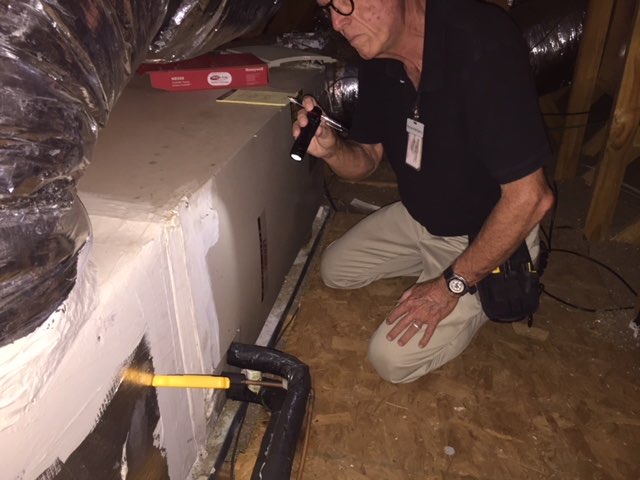
Understanding AC Moisture Repair in Lighthouse Point: Risks and Prevention Methods
In Lighthouse Point, air conditioning systems do more than cool homes — they manage humidity in a demanding coastal environment. With high moisture levels in the air year-round, AC systems work constantly, producing condensation every time they run. When that moisture is not handled correctly, it can quietly damage homes, fuel mold growth, and create ongoing maintenance problems.
Understanding the risks associated with AC moisture and knowing how to prevent future damage helps homeowners in Lighthouse Point protect their property and avoid repeat issues.
What AC Moisture Problems Really Are
Air conditioners remove humidity by condensing moisture on the evaporator coils. That water is designed to drain safely through a condensate line. Problems begin when this process is disrupted.
AC moisture issues include clogged drain lines, cracked or rusted drip pans, leaking air handlers, and ductwork that sweats due to insulation failure or airflow problems. These issues often develop slowly, allowing moisture to escape into walls, ceilings, or insulation without immediate warning.
In coastal homes, even small failures can lead to persistent damp conditions.
Why Lighthouse Point Homes Face Higher Risk
Lighthouse Point’s coastal setting exposes homes to constant humidity and salt air. Moisture levels remain elevated even on dry days, forcing AC systems to produce more condensation than in inland areas.
Salt air can accelerate corrosion of metal components like drain pans and fittings. Frequent rain, high groundwater levels, and slab foundations slow natural drying once moisture enters the structure.
These factors make AC moisture problems more common and more persistent in Lighthouse Point homes.
Common Risks of Unrepaired AC Moisture Issues
When AC moisture is not addressed, damage often spreads beyond the HVAC system. Water can saturate drywall, weaken insulation, and affect wood framing.
Duct insulation may become wet and lose effectiveness, increasing condensation and reducing system efficiency. Moisture trapped in ceilings or walls creates ideal conditions for mold to develop if left unchecked.
Over time, what starts as a minor moisture issue can turn into widespread damage requiring extensive repair.
Early Warning Signs Homeowners Should Watch For
AC moisture problems rarely begin with obvious leaks. More often, homeowners notice subtle changes.
Musty or earthy odors when the AC is running are common indicators. Water stains near ceiling vents, air handlers, or exterior walls may appear gradually. Paint or drywall may bubble, peel, or discolor.
Some rooms may feel damp or uncomfortable despite normal cooling. These signs usually point to moisture behind surfaces, not surface condensation.
Hidden Areas Where AC Moisture Causes Damage
In Lighthouse Point homes, AC moisture often affects areas that are rarely inspected. Air handlers, especially those located in attics or closets, are frequent sources of leaks.
Ductwork running through hot attic spaces can sweat when insulation is compromised. Wall cavities near refrigerant lines or ceiling penetrations may trap moisture without visible staining.
Because these areas are out of sight, moisture can remain undetected for long periods.
Why Quick Fixes Rarely Work
Homeowners sometimes try clearing a drain line or wiping visible water. While these steps may reduce symptoms temporarily, they rarely address the root cause.
AC moisture issues often involve improper drainage slope, airflow imbalance, insulation failure, or aging system components. Without proper inspection and moisture detection, the true source of the problem is easy to miss.
Effective repair requires understanding how and where moisture is escaping.
How Professional AC Moisture Repair Is Performed
Professional AC moisture repair begins with a comprehensive system inspection. Air handlers, drain lines, drip pans, ductwork, and surrounding building materials are evaluated.
Moisture detection tools help locate damp areas behind walls and ceilings. Drain lines may be flushed, repaired, or rerouted. Damaged pans, fittings, or safety switches are replaced to prevent future overflows.
If duct insulation or surrounding materials are affected, targeted repairs restore proper airflow and reduce condensation risk.
Prevention Methods That Protect Lighthouse Point Homes
Preventing AC moisture damage starts with routine maintenance. Regular inspections help ensure drain lines remain clear and components function properly.
Duct insulation should be checked periodically, especially in attic spaces where temperature differences increase condensation risk. Monitoring indoor humidity levels provides early warning of developing issues.
Addressing stains, odors, or unexplained dampness promptly prevents moisture from lingering and spreading.
The Connection Between AC Moisture and Mold Prevention
AC moisture is one of the leading contributors to indoor mold problems in coastal homes. Persistent condensation provides the moisture mold needs to grow.
By repairing AC moisture issues early and thoroughly, homeowners significantly reduce mold risk. When moisture has been present for extended periods, mold inspection may be recommended to ensure affected areas are properly addressed.
Moisture control is the foundation of mold prevention.
Why Local Experience Matters in Lighthouse Point
AC systems behave differently in coastal South Florida than in other regions. Professionals familiar with Lighthouse Point understand how salt air, humidity, and local construction styles affect moisture movement.
Local experience helps identify common problem areas quickly and accurately. Companies like Pompano Mold Inspection and Testing bring regional knowledge that supports effective AC moisture repair and prevention strategies.
A Practical Approach to Long-Term Protection
AC moisture problems are common in Lighthouse Point, but they don’t have to become ongoing issues. Understanding the risks and applying proven prevention methods helps homeowners stay ahead of damage.
With proper inspection, targeted repair, and routine maintenance, AC systems can manage humidity effectively without harming the home. In a coastal climate, proactive moisture control is one of the most reliable ways to protect comfort, structure, and long-term property value.
