
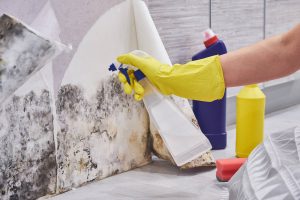
Understanding Black Mold Removal in Lauderdale-by-the-Sea: Common Causes and Solutions
Lauderdale-by-the-Sea, Florida, is known for its coastal beauty, warm climate, and high humidity. While these conditions make it a desirable location, they also contribute to one of the most serious household issues: black mold (Stachybotrys chartarum).
Black mold thrives in damp, humid environments, and if left untreated, it can cause health risks, structural damage, and property devaluation. For property owners, understanding the causes, inspection methods, removal techniques, and preventive strategies is critical for maintaining a safe and healthy home.
1. What is Black Mold?
Black mold is a type of fungus that grows in environments with excess moisture, typically appearing dark green or black on surfaces. Unlike common household mold, black mold produces mycotoxins—toxic compounds that can affect human health, especially in sensitive individuals.
Black mold can grow on:
- Drywall and wood
- Ceiling tiles
- Carpets and insulation
- Behind cabinets or inside walls
Its presence is often linked to hidden moisture sources, which makes early detection difficult but essential.
2. Common Causes of Black Mold in Lauderdale-by-the-Sea Homes
Several environmental and structural factors contribute to black mold growth in this coastal city:
A. High Humidity
- Lauderdale-by-the-Sea experiences year-round humidity, often above 70%.
- High humidity levels create ideal conditions for mold growth on walls, ceilings, and HVAC systems.
B. Water Intrusion from Roofs and Windows
- Aging roofs, missing shingles, or damaged flashing can allow rainwater to seep into attics or ceilings.
- Improperly sealed windows allow wind-driven rain to penetrate, especially during hurricanes or storms.
C. Plumbing Leaks
- Burst pipes, leaking water heaters, or faulty connections create hidden damp areas behind walls or under floors.
D. Flooding or Storm Surge
- Coastal homes are at risk of flooding during heavy storms or hurricanes.
- Moisture from floodwater can seep into subfloors, drywall, and insulation, leading to black mold growth if not promptly addressed.
E. Poor Ventilation
- Bathrooms, kitchens, and laundry areas without adequate ventilation trap moisture.
- Enclosed spaces such as closets or attics are particularly susceptible.
F. Condensation from HVAC Systems
- AC units or ductwork in humid climates may produce condensation, creating hidden moisture pockets.
3. Health Risks of Black Mold Exposure
Black mold exposure can cause serious health issues, particularly for children, the elderly, or those with respiratory conditions. Symptoms include:
- Allergic reactions: sneezing, runny nose, watery eyes
- Respiratory problems: coughing, wheezing, shortness of breath
- Chronic fatigue or headaches
- Skin irritation or rashes
- In severe cases: toxic reactions from prolonged exposure to mycotoxins
Early detection and removal are critical for both health and safety.
4. Signs of Black Mold in Homes
Property owners should look for warning signs, including:
- Dark green or black patches on walls, ceilings, or floors
- Musty odors that persist despite cleaning
- Water stains or discoloration near plumbing, windows, or roofs
- Peeling paint or wallpaper
- Health symptoms among residents, such as allergies or asthma flare-ups
Hidden mold may not be immediately visible, making inspection tools and professional help essential.
5. Mold Inspection and Assessment
Professional mold inspection involves several steps:
A. Visual Inspection
- Examine areas prone to moisture, such as bathrooms, attics, basements, kitchens, and HVAC systems.
- Look for visible mold, water stains, or damp surfaces.
B. Moisture Detection
- Moisture meters and infrared cameras identify damp areas behind walls, under floors, or in ceilings.
C. Air Sampling
- Air tests quantify mold spore concentration in the home.
- Helps determine if mold is present in hidden areas.
D. Surface Testing
- Swab or tape tests identify the type of mold present.
- Knowing the species helps determine the proper remediation method.
Professional inspection ensures accurate identification and prevents incomplete removal.
6. Black Mold Removal Process
Effective black mold removal is a multi-step process:
A. Containment
- Isolate affected areas using plastic sheeting or negative air pressure.
- Prevent spores from spreading to clean areas.
B. Removal of Contaminated Materials
- Porous materials like drywall, insulation, carpets, and ceiling tiles often need removal.
- Non-porous surfaces are cleaned and sanitized.
C. Cleaning and Sanitizing
- Scrub surfaces with detergent and water.
- Apply antimicrobial solutions to prevent regrowth.
D. Drying
- Use industrial dehumidifiers and fans to eliminate residual moisture.
- Hidden cavities and wall voids are thoroughly dried.
E. Post-Remediation Inspection
- Confirm that mold has been removed and moisture levels are safe.
- Provide clearance reports for insurance and verification.
In severe cases, hiring professional mold remediation services is essential due to the health risks and complexity of black mold removal.
7. Costs of Black Mold Removal in Lauderdale-by-the-Sea
Costs vary depending on the extent of infestation:
| Scope of Mold Damage | Approximate Cost (USD) |
|---|---|
| Small area (<10 sq. ft.) | $500 – $1,500 |
| Moderate area (10–50 sq. ft.) | $1,500 – $5,000 |
| Extensive mold (>50 sq. ft.) | $5,000 – $15,000+ |
| Hidden mold behind walls or ceilings | $7,000 – $20,000+ |
Costs include inspection, containment, removal, cleaning, drying, and sometimes repair or replacement of structural components.
8. Preventive Measures for Homeowners
Preventing black mold is easier than remediation. Key strategies include:
- Control Humidity
- Use dehumidifiers and air conditioning to maintain indoor humidity below 50%.
- Repair Leaks Promptly
- Fix roofs, plumbing, and windows at the first sign of water intrusion.
- Improve Ventilation
- Install exhaust fans in bathrooms, kitchens, and laundry areas.
- Ensure attics and crawl spaces are properly ventilated.
- Use Mold-Resistant Materials
- In humid areas, install mold-resistant drywall, paint, and insulation.
- Regular Inspections
- Inspect areas prone to moisture, especially after storms or flooding.
- Monitor HVAC Systems
- Clean AC drip pans and ductwork to prevent condensation-related mold growth.
- Prompt Flood Response
- Remove standing water within 24 hours.
- Dry affected areas completely to prevent mold colonization.
9. Insurance Considerations
Property owners should understand insurance coverage:
- Standard homeowners insurance may not cover flood-related mold damage; separate flood insurance may be required.
- Document damage and remediation efforts for claims.
- Keep inspection reports, photographs, and invoices for proof.
10. Hiring Professional Mold Remediation Services
When hiring professionals, consider:
- Licensing and certification (EPA, IICRC)
- Experience with black mold and coastal Florida homes
- Use of containment and safety protocols
- Post-remediation verification and clearance reports
Professional services ensure safe, thorough mold removal and help prevent recurring infestations.
11. Conclusion
Black mold is a serious concern for homes in Lauderdale-by-the-Sea due to humidity, water intrusion, and aging structures. Homeowners should:
- Recognize common causes: leaks, high humidity, condensation, flooding
- Watch for warning signs: stains, odors, health issues
- Conduct professional inspections to detect hidden mold
- Follow a structured removal process: containment, cleaning, drying
- Implement preventive measures: humidity control, leak repairs, ventilation
- Document remediation for insurance and legal purposes
By understanding the risks and solutions, property owners can protect their health, preserve their homes, and prevent future mold growth in Lauderdale-by-the-Sea.
