Understanding Carpet Cleaning After Water Damage in Fort Lauderdale: A Complete Homeowner Guide
Water damage is a common issue for homeowners in Fort Lauderdale. Heavy rain, plumbing leaks, appliance failures, and air-conditioning condensation can quickly soak carpets and padding. While carpets may appear to dry on the surface, moisture often remains trapped underneath, leading to odors, staining, and potential mold growth. Proper carpet cleaning after water damage is an important step in restoring a home and maintaining healthy indoor conditions.
How Water Damage Affects Carpets
Carpets and carpet padding absorb water quickly. Once saturated, they can hold moisture for long periods, especially in humid environments like Fort Lauderdale.
Water damage can lead to:
- Persistent musty odors
- Discoloration or staining
- Damage to carpet backing
- Moisture trapped in padding or subfloor
- Conditions that allow mold growth
Because carpets cover large areas, even a small leak can affect more material than expected.
Why Water Damage Is Common in Fort Lauderdale Homes
Homes in Fort Lauderdale are exposed to environmental conditions that increase the likelihood of carpet damage:
- Heavy seasonal rainfall
- Coastal storms and flooding
- High humidity that slows drying
- Plumbing leaks and appliance overflows
- Air-conditioning condensation problems
Humidity plays a major role because damp materials take longer to dry, increasing the risk of odors and microbial growth.
Early Signs Carpet Cleaning Is Needed
Homeowners should watch for early warning signs after water exposure. These signs often appear within days:
- Damp or musty smells
- Carpet feeling cool or slightly wet
- Darkened or uneven areas
- Increased indoor humidity
- Warping or staining near baseboards
These indicators suggest moisture may still be trapped beneath the surface.
Hidden Moisture Beneath Carpets
One of the biggest challenges after water damage is moisture that cannot be seen. Inspectors in Fort Lauderdale frequently find water trapped in:
- Carpet padding
- Subfloor materials
- Baseboards and trim
- Edges of walls near flooring
- Areas under furniture
Because padding absorbs water easily, drying the carpet surface alone is usually not enough.
Why DIY Carpet Drying Often Falls Short
Many homeowners attempt to dry carpets using fans or opening windows. While this can help surface drying, it often does not remove deep moisture.
DIY drying may fail because:
- Padding remains wet
- Humidity slows evaporation
- Air circulation is limited
- Moisture inside subfloors remains
Incomplete drying can lead to odors and long-term damage.
Professional Carpet Cleaning and Drying Process
A professional carpet cleaning and restoration process usually follows several steps to ensure thorough drying and cleaning.
Step 1: Inspection and Moisture Detection
Technicians evaluate the affected area and measure moisture levels in carpet, padding, and flooring.
Step 2: Water Extraction
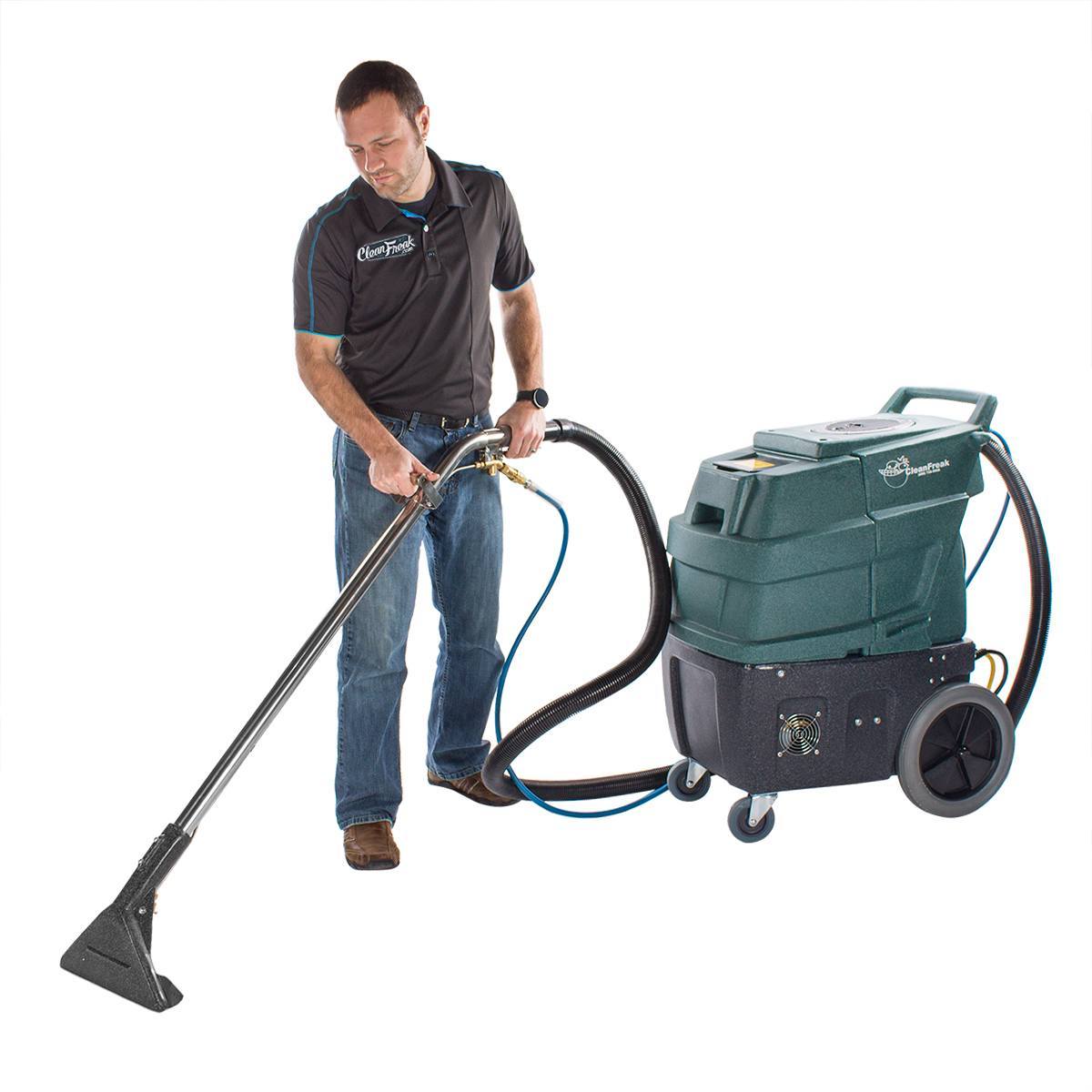
Specialized equipment removes as much water as possible from the carpet and padding.
Step 3: Removal of Damaged Padding
If padding is heavily saturated, it may need to be replaced to prevent mold and odor issues.
Step 4: Structural Drying
Air movers and dehumidifiers are used to remove moisture from carpet fibers and subfloors.
Step 5: Cleaning and Sanitizing
Carpets are cleaned to remove contaminants and reduce odors.
Step 6: Final Drying and Inspection
Moisture levels are monitored until materials reach safe levels.
Pompano Mold Inspection and Testing often evaluates moisture conditions and water damage in Fort Lauderdale and surrounding Broward County communities, helping homeowners understand whether carpets can be restored or require replacement.
Mold Risks After Carpet Water Damage
Moisture trapped in carpets can create conditions where mold begins to grow. Mold may develop in:
- Carpet backing
- Padding
- Subfloor materials
- Baseboards
If mold is detected, remediation may include removal of affected materials, cleaning, and thorough drying to restore safe conditions.
Water Damage Repair Beyond Carpet
Water damage often affects more than flooring. Restoration may also involve:
- Drying drywall and insulation
- Repairing baseboards
- Replacing damaged flooring materials
- Monitoring humidity levels
Addressing all affected materials helps prevent recurring problems.
Air Ducts, HVAC Systems, and Moisture
After water damage, humidity levels inside a home often rise. HVAC systems may circulate moist air, contributing to odors or slow drying.
Common issues include:
- Moisture near air handlers
- Dirty filters restricting airflow
- Condensation buildup in ducts
Maintaining HVAC systems helps improve airflow and indoor air quality during drying.
Practical Tips for Homeowners After Water Damage
Homeowners in Fort Lauderdale can take several practical steps after carpets become wet:
- Remove standing water as soon as possible
- Increase airflow with fans and ventilation
- Use dehumidifiers to reduce humidity
- Avoid walking on wet carpet to prevent damage
- Schedule professional inspection if moisture persists
Quick action often prevents more serious damage.
How to Prevent Future Carpet Water Damage
Preventive maintenance can reduce the risk of future problems:
- Inspect plumbing and appliances regularly
- Maintain air-conditioning drain lines
- Check roofs and gutters after storms
- Monitor indoor humidity levels
- Address leaks immediately
Routine maintenance helps keep carpets and flooring dry.
Why Local Experience Matters
Water damage restoration in Fort Lauderdale requires an understanding of local climate and building conditions. Professionals familiar with Broward County understand:
- How humidity affects drying times
- Typical moisture patterns after storms
- Common plumbing and HVAC issues in local homes
This experience helps restoration and cleaning be more effective.
A Practical Next Step for Homeowners
Carpet cleaning after water damage is an important step in restoring a home and maintaining comfortable indoor conditions. Proper extraction, drying, and cleaning help prevent odors, mold growth, and structural damage.
With prompt action, professional drying, and regular maintenance, homeowners in Fort Lauderdale can keep carpets clean, dry, and protected after water damage incidents.