

Understanding Carpet Cleaning After Water Damage in North Lauderdale: Professional Insights
Water damage and carpet problems often go hand in hand for homeowners in North Lauderdale. Heavy rain, plumbing leaks, AC condensation issues, and appliance failures can quickly soak carpets and padding, turning a manageable situation into a long-term problem if handled incorrectly. In South Florida’s humid climate, wet carpet is never just a surface issue. It is a moisture problem that affects flooring systems, indoor air quality, and overall home comfort.
In North Lauderdale and nearby areas such as Margate, Coconut Creek, Pompano Beach, and Lauderdale-by-the-Sea, carpet cleaning after water damage requires a professional approach. Simply drying what you can see is rarely enough. Understanding how water affects carpet, what proper cleaning involves, and how to prevent future damage helps homeowners make informed decisions and avoid repeated issues.
What Happens to Carpet After Water Damage
Carpet is one of the first materials to absorb water when a leak or intrusion occurs. While the surface fibers may appear damp, the real issue is often hidden below. Carpet padding acts like a sponge, holding moisture against the subfloor for extended periods.
Once padding becomes saturated, it slows drying and creates a warm, damp environment. This trapped moisture can lead to odors, material breakdown, and microbial growth. Even clean water from a plumbing leak can become contaminated once it spreads into carpet and padding.
In North Lauderdale’s climate, wet carpet rarely dries properly without professional extraction and controlled drying.
Why Water-Damaged Carpet Is Common in North Lauderdale Homes
North Lauderdale homes face constant moisture pressure. Seasonal storms bring heavy rain that can enter through doors, garages, or roof leaks. Slab foundations allow moisture to migrate upward after prolonged rainfall, affecting flooring systems.
Air conditioning systems run much of the year to manage heat and humidity. When condensation lines clog or drip pans overflow, water can soak carpet near air handler closets or vents. Plumbing leaks under sinks, behind walls, or near water heaters may go unnoticed until carpet feels damp.
Older homes and properties with aging plumbing or drainage systems are especially vulnerable.
Early Signs Carpet Has Been Affected by Water
Some carpet damage is obvious, but many signs appear gradually. Homeowners may notice carpet feeling cool or damp underfoot. A musty or sour odor often develops within a day or two after water exposure.
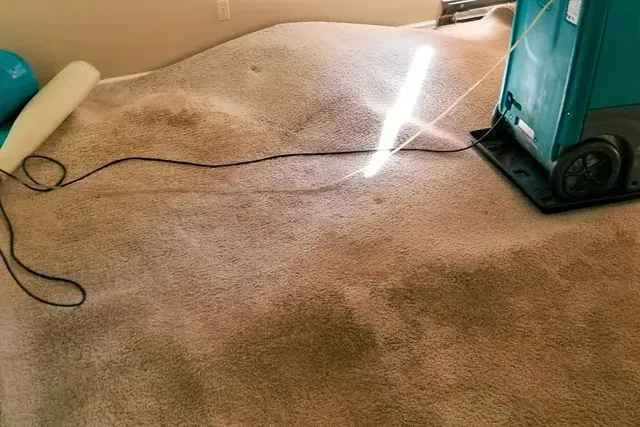
Discoloration, rippling, or wrinkling in the carpet surface are common warning signs. Carpet near baseboards may darken as moisture wicks upward. Persistent odors or humidity even after surface drying suggest moisture remains trapped below.
These signs indicate that professional carpet cleaning and drying are needed, not cosmetic fixes.
Hidden Problems Beneath Wet Carpet
The most serious carpet-related issues are usually hidden. Carpet padding can remain wet long after the surface feels dry. Moisture may also seep into subflooring, baseboards, and walls.
Wood subfloors can warp or weaken. Concrete slabs may retain moisture and continue feeding dampness into carpet materials. If water damage came from outside intrusion or backups, contaminants may be present in the carpet and padding.
These hidden problems are why proper carpet cleaning after water damage involves inspection and moisture detection.
Why DIY Carpet Drying Often Fails
Many homeowners attempt to dry carpets using fans, shop vacuums, or household dehumidifiers. While these methods may help surface drying, they rarely address moisture trapped in padding or subfloors.
Without lifting the carpet and extracting water from beneath, moisture remains. In North Lauderdale’s humidity, this trapped moisture can persist for weeks, leading to odors and material breakdown.
DIY approaches also fail to address contamination risks when water comes from flooding or plumbing issues. Improper drying often results in repeated problems and unnecessary carpet replacement.
Professional Carpet Inspection and Moisture Detection
Effective carpet restoration starts with inspection. Professionals assess how much water entered the carpet, how long it was wet, and what type of water was involved.
Moisture meters help determine whether padding and subfloors are affected. This step is critical in deciding whether carpet can be restored or if padding must be replaced.
In many North Lauderdale homes, early professional inspection saves carpet that would otherwise be discarded.
The Proper Carpet Cleaning and Restoration Process
Professional carpet cleaning after water damage follows a structured process. First, standing water is removed using high-powered extraction equipment. This step reduces moisture quickly and limits further spread.
Next, carpets may be lifted to access padding and subfloors. In some cases, padding must be replaced if it cannot be dried safely. Industrial air movers and dehumidifiers are then used to remove moisture from all affected materials.
Once drying is complete, carpets are professionally cleaned to remove residue, odors, and contaminants. This process restores comfort while addressing underlying moisture issues.
When Carpet Replacement Is the Better Option
Not all water-damaged carpet can be saved. Carpet exposed to contaminated water, such as floodwater or sewage backups, often requires removal for safety reasons.
If carpet remained wet for an extended period or shows signs of microbial growth, replacement may be necessary. Severely damaged padding, warped subfloors, or persistent odors are indicators that cleaning alone is not enough.
A professional assessment helps homeowners avoid guesswork and unnecessary expense.
Mold Risks Associated With Wet Carpet
Mold growth is a common concern after carpet water damage. Mold can begin developing within 24 to 48 hours when moisture remains.
Carpet padding and subfloors provide ideal conditions for mold, especially in warm environments like North Lauderdale. Mold growth may remain hidden until odors or air quality issues appear.
Professional carpet cleaning combined with proper drying significantly reduces mold risk. When mold is suspected, professional mold inspection and remediation may be required.
How Water Damage Repair Supports Carpet Restoration
Carpet cleaning is only one part of the solution. Addressing the source of water damage is essential to prevent repeat problems.
Water damage repair may involve plumbing fixes, roof repairs, window sealing, or AC condensation line cleaning. Without correcting the cause, even professionally cleaned carpets can become wet again.
In many cases, carpet restoration is coordinated with broader water damage services to ensure the home is fully dried and protected.
Preventing Future Carpet Water Damage
Prevention focuses on moisture control. Keeping AC systems well-maintained, clearing condensate lines, and addressing leaks promptly reduces risk.
After heavy rain, checking entry points and garage areas for moisture helps catch problems early. Using area rugs instead of wall-to-wall carpet in high-risk zones can also reduce damage.
Quick response after water exposure makes a significant difference in North Lauderdale homes.
Why Local Experience Matters
Carpet cleaning after water damage in North Lauderdale requires understanding local conditions. High humidity, frequent storms, and slab foundations all affect how moisture behaves inside homes.
Pompano Mold Inspection and Testing brings experience working throughout North Lauderdale, Margate, Coconut Creek, Pompano Beach, and surrounding Broward County communities. Local knowledge helps ensure carpet restoration addresses both visible damage and hidden moisture.
A Practical Takeaway for Homeowners
Water-damaged carpet does not always mean replacement, but it does require proper handling. Early inspection, professional extraction, and controlled drying protect both the carpet and the home.
For North Lauderdale homeowners, understanding carpet cleaning after water damage leads to better decisions and long-term protection. By addressing moisture fully and correcting underlying issues, homes remain comfortable, clean, and resilient in South Florida’s challenging climate.
