
Understanding Flood Restoration in Lighthouse Point: Inspection and Repair Guide
Flooding and water intrusion are ongoing concerns for property owners in Lighthouse Point. Coastal storms, heavy rainfall, plumbing failures, and drainage issues can all allow water to enter homes and rental properties, sometimes causing damage long before owners fully understand the impact.
Many property owners assume that once standing water is removed, the situation is resolved. However, hidden moisture left inside walls, flooring, and ceilings often leads to mold growth and structural deterioration if not properly addressed.
Flood restoration is not just cleanup; it is a structured inspection and repair process that restores safety, comfort, and long-term property stability. For homeowners and landlords in Lighthouse Point and surrounding Broward County communities, understanding this process helps prevent costly long-term damage.
What Flood Restoration Actually Means
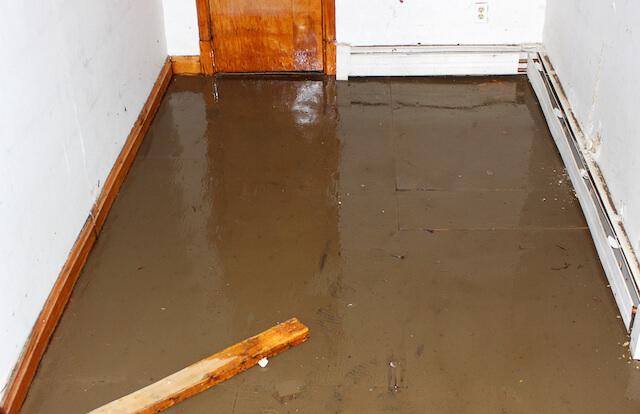
Flood restoration involves returning a property to safe and dry conditions after water intrusion. This includes both removing visible water and addressing hidden moisture trapped inside the structure.
Professional restoration services typically include:
• Removal of standing water
• Structural drying of walls and floors
• Moisture detection in hidden areas
• Cleaning and sanitizing affected spaces
• Repairing damaged building materials
• Preventing mold growth
The goal is to fully restore the property rather than simply drying visible surfaces.
Why Flood Damage Is Common in Lighthouse Point
Homes in Lighthouse Point, along with nearby communities such as Pompano Beach, Lauderdale-by-the-Sea, Deerfield Beach, and Fort Lauderdale, face increased flood risks due to coastal weather conditions.
Several factors increase flood damage risk:
• Heavy seasonal rainstorms
• Storm surge and coastal flooding
• Aging plumbing systems
• Flat or low-slope roof designs
• Poor property drainage
• AC drainage overflow issues
• Groundwater intrusion
Even minor flooding or slow leaks can leave moisture trapped in building materials, leading to future mold problems.
Early Warning Signs Property Owners Notice
Flood damage is not always obvious, especially when water intrusion occurs slowly or in hidden areas. Property owners should watch for warning signs such as:
• Musty odors after storms
• Water stains on ceilings or walls
• Warped flooring or soft spots
• Paint peeling or bubbling
• Persistent indoor humidity
• Mold appearing along baseboards or vents
• Increased allergy irritation indoors
These signs often indicate hidden moisture that needs professional inspection.
Hidden Areas Water Damage Often Affects
Water damage frequently spreads into spaces that are rarely inspected during routine maintenance.
Common hidden moisture locations include:
• Behind drywall and insulation
• Beneath flooring materials
• Inside ceiling cavities
• Under kitchen and bathroom cabinets
• Inside AC closets and ducts
• Around window and door frames
Moisture in these areas can remain long after visible water disappears.
Why DIY Cleanup Often Falls Short
Some property owners try to manage flood cleanup themselves, but hidden moisture is difficult to remove without professional equipment.
DIY cleanup often fails because:
• Moisture inside walls goes undetected
• Flooring and insulation remain wet
• Mold begins growing quietly
• Proper drying equipment is unavailable
Without complete drying and inspection, damage continues after cleanup.
Professional Flood Inspection Process Explained
A professional flood restoration process begins with a thorough inspection to determine how far moisture has spread.
The inspection usually includes:
- Visual assessment of affected areas
- Moisture detection inside walls and flooring
- Inspection of HVAC and duct systems
- Evaluation of roof or plumbing intrusion sources
- Identification of areas requiring repair
Companies such as Pompano Mold Inspection and Testing help property owners understand the full scope of water damage so repairs can be handled correctly.
This approach avoids repeated problems caused by incomplete drying.
Proper Flood Restoration and Repair Steps
Professional restoration follows a structured approach to fully repair water damage.
Typical restoration steps include:
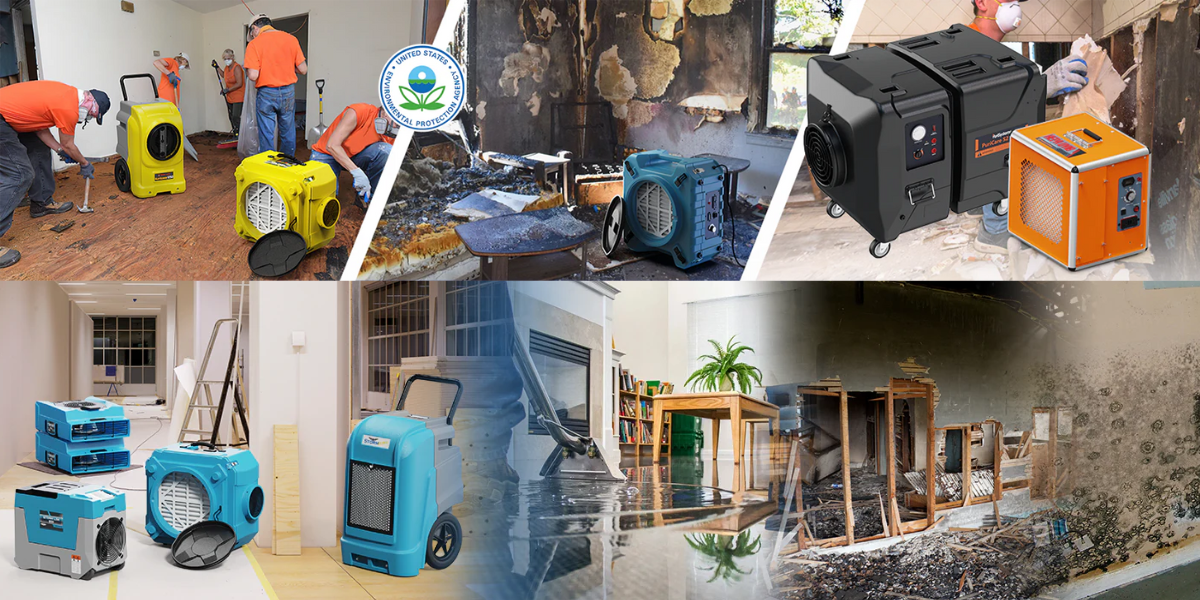
• Water extraction using commercial equipment
• Removal of damaged materials if needed
• Structural drying and dehumidification
• Moisture monitoring until surfaces are dry
• Cleaning and sanitizing affected areas
• Repairing drywall, flooring, and cabinetry
Proper drying is essential to prevent mold growth and material deterioration.
Mold Inspection and Testing After Flooding
Flooding often creates conditions suitable for mold growth. If moisture remains, mold can begin growing within days.
Professional inspections may include:
• Moisture checks after drying
• Mold inspection of affected areas
• Air or surface testing when contamination is suspected
Pompano Mold Inspection and Testing assists property owners in determining whether mold risks exist after flooding so corrective action can be taken early.
Air Ducts and AC Systems After Flood Damage
HVAC systems can also be affected by flooding or heavy moisture exposure. Moisture inside ducts may spread contamination throughout the property.
Common HVAC concerns include:
• Wet duct insulation
• Mold inside duct systems
• Air handler contamination
• Increased indoor humidity
Inspection ensures HVAC systems are safe before returning properties to normal use.
Preventing Future Flood Damage
Property owners can reduce future flood risks through preventative maintenance and improvements.
Helpful prevention measures include:
• Inspecting roofs and plumbing regularly
• Keeping drainage systems clear
• Maintaining AC condensate lines
• Sealing window and door leaks
• Checking properties after heavy storms
• Scheduling moisture inspections after tenant turnover
Preventive action reduces restoration costs and property downtime.
Why Local Experience Matters
Flood restoration challenges vary by region. Coastal communities like Lighthouse Point face humidity and storm risks that influence how water damage spreads inside homes.
Professionals familiar with Broward County construction and weather patterns understand where moisture problems commonly develop. Pompano Mold Inspection and Testing works across the region and provides guidance tailored to local property conditions.
Local expertise leads to faster inspections and practical repair solutions.
A Practical Next Step for Property Owners
If your Lighthouse Point property has recently experienced flooding, leaks, or unexplained moisture problems, arranging a professional inspection is a smart next step.
Early restoration prevents mold growth, protects building materials, and helps maintain comfortable living conditions. Water damage often appears minor at first, but ignoring it can lead to expensive repairs.
Addressing problems quickly helps homeowners and landlords maintain safer, healthier properties throughout Broward County’s coastal environment.
