


Understanding Flood Restoration in North Lauderdale: Early Signs You Should Not Ignore
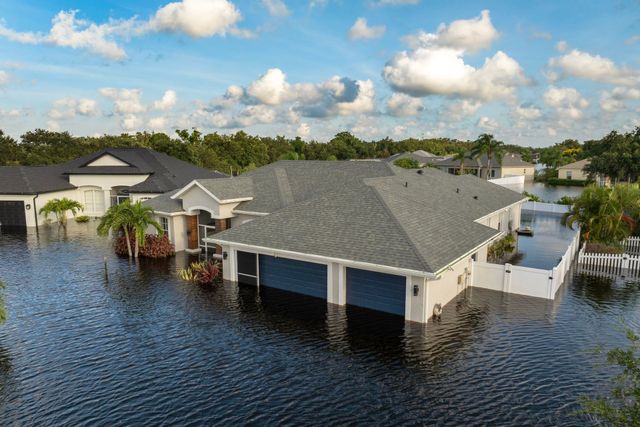
Flooding does not always arrive as rushing water covering floors. In North Lauderdale, flood damage often begins quietly, especially during heavy rain and prolonged wet weather. Water can seep into homes through foundations, exterior walls, and low entry points without creating obvious standing water. Because South Florida’s humidity slows drying, even minor flooding can lead to serious damage if early signs are ignored. Understanding flood restoration and recognizing warning signs early helps homeowners protect their properties and avoid long-term problems.
In many residential homes, flood restoration becomes far more complex when early indicators are missed. Paying attention to subtle changes inside the home can make a significant difference.
Why Flooding Happens So Often in North Lauderdale
North Lauderdale’s environment creates ongoing flood risks, especially during the rainy season. Heavy downpours can overwhelm drainage systems, and flat terrain allows water to pool around homes rather than flow away quickly. Saturated soil increases pressure around slab foundations, making it easier for moisture to seep inside.
Wind-driven rain can push water through small gaps around doors, windows, and exterior walls. Aging seals, cracks in stucco, and roof drainage issues increase vulnerability. Nearby communities such as Margate, Coconut Creek, and Pompano Beach face similar challenges, but localized drainage patterns often make flooding harder to detect early in North Lauderdale homes.
What Flood Restoration Really Means
Flood restoration is not limited to removing visible water. It is a structured process designed to identify moisture intrusion, remove water, dry affected materials, and repair damage safely. The goal is to restore the home while preventing moisture from remaining trapped inside building materials.
In North Lauderdale, proper flood restoration is especially important because high humidity prevents natural drying. Without a complete approach, moisture often remains hidden behind walls or under flooring, leading to mold growth and material deterioration.
Early Signs of Flood Damage Homeowners Often Miss
Many early signs of flood damage are subtle. A musty or damp smell is often the first indicator that moisture is present, even when floors appear dry. These odors usually come from damp materials hidden behind walls or beneath flooring.
Discoloration near baseboards or lower wall sections is another common sign. Paint may begin to bubble or peel, especially near the floor. Homeowners may also notice slight warping of baseboards or flooring edges.
Increased indoor humidity, condensation on walls or windows, and rooms feeling damp despite normal AC operation should never be ignored.
Changes in Flooring and Baseboards
Flooring often shows early signs of flood-related moisture. Laminate or wood floors may begin to buckle or separate at seams. Carpeted areas may feel damp, heavy, or develop lingering odors.
Baseboards may pull away from walls, swell, or discolor near the bottom. These changes often indicate moisture traveling upward from the floor or slab foundation.
Because these signs develop gradually, homeowners sometimes dismiss them as normal wear rather than flood-related damage.
Hidden Moisture Behind Walls and Cabinets
One of the most dangerous aspects of flooding is hidden moisture. Water can seep behind drywall, under cabinets, and into insulation without leaving obvious surface evidence.
In slab foundation homes common throughout North Lauderdale, moisture can wick upward from saturated concrete and affect lower walls and built-in cabinetry. Kitchens, bathrooms, and laundry areas are especially vulnerable.
Without moisture detection, these hidden areas may remain wet for weeks, creating ideal conditions for mold growth.
Why Ignoring Early Signs Makes Restoration Harder
When early signs are ignored, moisture has more time to spread. What could have been a targeted drying and repair project often becomes a larger restoration effort involving material removal and replacement.
Extended moisture exposure weakens drywall, insulation, and wood framing. It also increases the likelihood of mold growth, which adds complexity to restoration.
Early action reduces disruption, lowers repair costs, and shortens recovery time.
Flood Restoration Inspection Explained
Effective flood restoration begins with inspection. The purpose is to determine where water entered the home and how far it spread. Visual inspection is combined with moisture detection tools to locate damp materials inside walls, floors, and ceilings.
Moisture meters and thermal imaging help identify hidden moisture without unnecessary demolition. In North Lauderdale homes, inspections often focus on slab edges, exterior walls, baseboards, and rooms closest to ground level.
Inspection results guide the restoration process and help prevent missed moisture pockets.
Water Removal and Drying after Minor Flooding
Even when flooding seems minor, water removal and drying are critical. Standing water is extracted quickly to prevent further penetration into materials. Controlled drying then removes moisture from affected surfaces and hidden areas.
Airflow, temperature, and humidity are carefully managed to dry materials safely. Moisture levels are monitored to ensure drying is complete before repairs begin.
Skipping proper drying is one of the most common reasons flood damage reappears.
Repairing Flood-Damaged Materials Properly
Once drying is complete, repairs focus on materials that cannot be salvaged. This may include replacing sections of drywall, insulation, flooring, or baseboards.
Repairs should only begin after moisture levels are confirmed to be safe. Rebuilding over damp materials traps moisture and often leads to recurring damage or mold growth.
Repair work also addresses vulnerabilities that allowed floodwater to enter the home, reducing future risk.
Connection Between Flooding and Mold Growth
Flooding and mold are closely linked, especially in humid Florida conditions. Mold requires moisture to grow, and flood-damaged materials provide ideal conditions.
Mold often begins growing in hidden areas before becoming visible. If moisture exposure was prolonged, mold inspection and remediation may be necessary as part of flood restoration.
Addressing moisture early significantly reduces mold risk.
Role of AC Systems in Flood Recovery
Air conditioning systems play an important role during flood recovery. While AC helps reduce indoor humidity, damaged or poorly maintained systems can introduce additional moisture through clogged drain lines or duct condensation.
Inspecting AC components and ductwork during flood restoration helps prevent secondary moisture issues. Proper airflow supports effective drying and recovery.
Preventing Future Flood Damage in North Lauderdale Homes
Prevention starts with understanding how floodwater entered the home. Improving exterior drainage, sealing doors and windows, and maintaining roofs reduce water intrusion.
Keeping gutters and drains clear helps manage heavy rainfall. Monitoring indoor humidity and inspecting the home after storms allows early detection of moisture issues.
Regular moisture checks in high-risk areas provide early warning and reduce long-term repair costs.
Why Local Experience Matters
Flood restoration in North Lauderdale requires local knowledge. Florida’s rainfall patterns, humidity levels, and residential construction styles all influence how flooding affects homes. Local experience helps ensure inspections are thorough and restoration methods are appropriate for Broward County conditions.
Pompano Mold Inspection and Testing brings that local expertise to flood restoration, moisture detection, mold inspection, and water damage services throughout North Lauderdale, Margate, Coconut Creek, Pompano Beach, Fort Lauderdale, Deerfield Beach, and surrounding Broward County communities.
Do Not Ignore the Early Signs
Flood damage rarely fixes itself. Early warning signs are the home’s way of signaling that moisture is present and needs attention. By recognizing these signs and understanding the flood restoration process, North Lauderdale homeowners can take action before damage spreads. Early intervention protects building materials, reduces mold risk, and helps homes recover faster and more effectively after flooding.
