
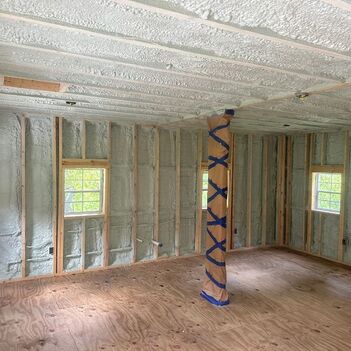
Understanding Home Moisture Control in Pompano Beach: Expert Advice for Homeowners
Managing moisture inside the home is one of the most important—and often overlooked—responsibilities for homeowners in Pompano Beach. With high humidity, frequent storms, and warm temperatures nearly year-round, South Florida homes are constantly exposed to moisture pressure from both inside and outside.
When moisture control is neglected, the results can include mold growth, structural damage, poor indoor air quality, and costly repairs. Understanding how moisture behaves in Pompano Beach homes—and how to control it effectively—is essential for protecting both your property and your health.
Why Moisture Control Is So Important in Pompano Beach
Florida’s climate creates a perfect environment for moisture-related problems. Outdoor humidity regularly exceeds comfortable indoor levels, and during summer months, moisture intrusion can happen daily through air leaks, condensation, or storm-related water exposure.
Unlike dry climates where moisture may evaporate quickly, humidity in Pompano Beach causes moisture to linger. This extended dampness allows mold spores to activate, building materials to absorb water, and hidden damage to develop long before visible signs appear.
Moisture control isn’t just about comfort—it’s about preventing long-term deterioration.
Common Sources of Excess Moisture in Homes
Understanding where moisture comes from is the first step toward controlling it. In coastal South Florida homes, moisture often enters from multiple directions at once.
Exterior Moisture Sources
- Heavy rainfall and tropical storms
- Wind-driven rain entering through windows and doors
- Roof leaks during prolonged storms
- Ground moisture seeping into foundations
- Poor exterior drainage
Interior Moisture Sources
- Air conditioning condensation
- Plumbing leaks behind walls or under floors
- Bathrooms and kitchens without proper ventilation
- Laundry rooms and water heaters
- High indoor humidity from daily activities
When these moisture sources overlap, problems can escalate quickly.
How Moisture Moves Through a Home
Moisture doesn’t stay confined to one spot. It travels through porous materials and air pathways, often ending up in places homeowners never check.
Common Areas Where Moisture Accumulates
- Inside wall cavities
- Beneath flooring and carpet padding
- In attics with inadequate ventilation
- Crawl spaces and subfloors
- Around HVAC systems and ductwork
This hidden moisture is especially dangerous because it can cause damage without immediate warning signs.
The Link Between Moisture and Mold Growth
Mold spores are naturally present in the air. Moisture is the trigger that allows those spores to grow and spread.
In Pompano Beach homes, mold can begin developing within 24 to 48 hours of moisture exposure if conditions remain damp. Even slightly elevated humidity levels over time can lead to mold growth on walls, ceilings, and inside HVAC systems.
Risks Associated With Mold
- Respiratory irritation
- Allergy symptoms
- Worsened asthma
- Persistent musty odors
- Damage to drywall, wood, and insulation
Proper moisture control is the most effective way to prevent mold problems before they start.
Signs Your Home Has a Moisture Problem
Moisture issues are not always obvious. Many homeowners assume damage would be visible, but that’s often not the case.
Warning Signs to Watch For
- Musty or damp odors
- Condensation on windows or vents
- Peeling paint or bubbling drywall
- Warped flooring or baseboards
- Increased allergy or respiratory symptoms
- Visible mold spots
If any of these signs appear, moisture is likely already present in hidden areas.
Why Humidity Control Is Critical Indoors
Indoor humidity plays a major role in moisture-related damage. Ideally, indoor humidity should stay below 55 percent. In Pompano Beach, that threshold is easily exceeded without active control.
High indoor humidity can:
- Slow evaporation after leaks or spills
- Increase condensation on surfaces
- Stress air conditioning systems
- Create ideal conditions for mold growth
Humidity control is not optional in South Florida—it’s essential.
Effective Moisture Control Strategies for Homeowners
Professional moisture management combines prevention, monitoring, and correction. Homeowners can significantly reduce moisture problems by focusing on the following areas.
1. HVAC System Maintenance
Your air conditioning system is one of the most important moisture control tools in your home.
- Ensure the system is properly sized
- Keep drain lines clear
- Replace filters regularly
- Schedule annual maintenance
An inefficient HVAC system can actually increase indoor humidity instead of reducing it.
2. Use Dehumidifiers Strategically
Dehumidifiers help control moisture in areas where air conditioning alone is not enough.
- Basements and crawl spaces
- Bedrooms with limited airflow
- Homes that feel damp despite cooling
Whole-home dehumidifiers provide consistent humidity control and are especially effective in coastal climates.
3. Improve Ventilation
Poor ventilation traps moisture indoors.
- Use exhaust fans in bathrooms and kitchens
- Vent dryers to the exterior
- Ensure attic ventilation is adequate
Proper airflow allows moisture to escape rather than accumulate.
4. Seal Air Leaks and Entry Points
Humid outdoor air often enters through small gaps.
- Seal windows and doors
- Repair damaged weather stripping
- Close gaps around plumbing and wiring penetrations
Reducing air leaks limits how much moisture enters the home.
5. Address Water Intrusion Immediately
Any water intrusion—no matter how small—should be addressed quickly.
- Dry wet areas within 24 hours
- Inspect surrounding materials for moisture
- Use professional drying if needed
Delays significantly increase the risk of mold and structural damage.
The Role of Professional Moisture Inspections
While homeowners can take many preventive steps, professional moisture inspections offer deeper insight.
What Professionals Look For
- Hidden moisture behind walls and floors
- Elevated humidity levels
- Areas at high risk for mold growth
- Poor ventilation or drainage issues
Specialized tools like moisture meters and thermal imaging help identify problems before they become costly repairs.
Long-Term Risks of Ignoring Moisture Problems
Uncontrolled moisture doesn’t resolve itself. Over time, it leads to progressive damage that becomes more expensive to fix.
Potential Consequences
- Chronic mold infestations
- Structural wood rot
- Compromised insulation
- Decreased indoor air quality
- Reduced property value
- Failed home inspections during resale
Moisture control protects both the home and the homeowner’s investment.
Moisture Control and Property Value in Pompano Beach
Homes in coastal Florida are scrutinized closely during real estate transactions. Signs of moisture or mold often lead to:
- Repair demands
- Lower offers
- Delayed sales
Maintaining proper moisture control improves inspection outcomes and buyer confidence.
Why Moisture Control Requires a Proactive Approach
In Pompano Beach, moisture issues aren’t seasonal—they’re ongoing. Waiting until damage appears often means the problem has already progressed.
Proactive moisture control:
- Reduces mold risk
- Preserves structural materials
- Improves indoor comfort
- Lowers long-term maintenance costs
It’s far easier—and more affordable—to manage moisture than to repair the damage it causes.
Final Thoughts
Understanding home moisture control is essential for homeowners in Pompano Beach. High humidity, frequent storms, and coastal conditions create constant moisture pressure that can quietly damage homes if left unmanaged.
By controlling humidity, addressing water intrusion promptly, improving ventilation, and seeking professional guidance when needed, homeowners can protect their properties, improve indoor air quality, and avoid costly repairs. In South Florida’s climate, moisture control isn’t optional—it’s one of the smartest investments a homeowner can make.
