Understanding Indoor Air Quality Improvement in Fort Lauderdale: Costs, Causes, and Solutions
Indoor air quality is an important part of maintaining a comfortable and healthy home in Fort Lauderdale. Because of the region’s warm climate, high humidity, and frequent use of air conditioning, indoor air can sometimes contain excess moisture, dust, and airborne particles. Over time, these conditions can lead to odors, poor airflow, and mold growth if not addressed. Improving indoor air quality helps homeowners maintain better ventilation, reduce humidity, and protect both building materials and HVAC systems.
What Indoor Air Quality Improvement Means
Indoor air quality improvement involves identifying and correcting the factors that affect the air inside a home. This may include controlling humidity, cleaning air ducts, improving ventilation, and addressing moisture problems.
Improving indoor air quality can help:
- Reduce musty odors
- Improve airflow and comfort
- Control humidity levels
- Prevent mold growth
- Extend the life of HVAC systems
Because indoor air circulates through the entire home, addressing the source of air quality issues is essential.
Common Causes of Poor Indoor Air Quality in Fort Lauderdale
Homes in Fort Lauderdale face environmental conditions that contribute to air quality problems:
- High humidity throughout the year
- Frequent storms and moisture intrusion
- Continuous air-conditioning use
- Dust and debris in duct systems
- Condensation around HVAC equipment
Humidity is one of the biggest factors, as damp conditions allow odors and mold to develop more easily.
Early Signs of Indoor Air Quality Problems
Indoor air quality issues often begin gradually. Homeowners may notice:
- Musty or stale odors
- Increased indoor humidity
- Dust accumulating quickly
- Uneven airflow in different rooms
- A damp feeling in closets or storage areas
These signs often indicate ventilation or moisture problems that should be inspected.
Hidden Sources of Air Quality Issues
Many air quality problems originate in areas that are not visible. Inspectors in Fort Lauderdale frequently find issues in:
- Air ducts and return vents
- Attic insulation affected by humidity
- Wall cavities near plumbing lines
- Carpet padding or subfloors with trapped moisture
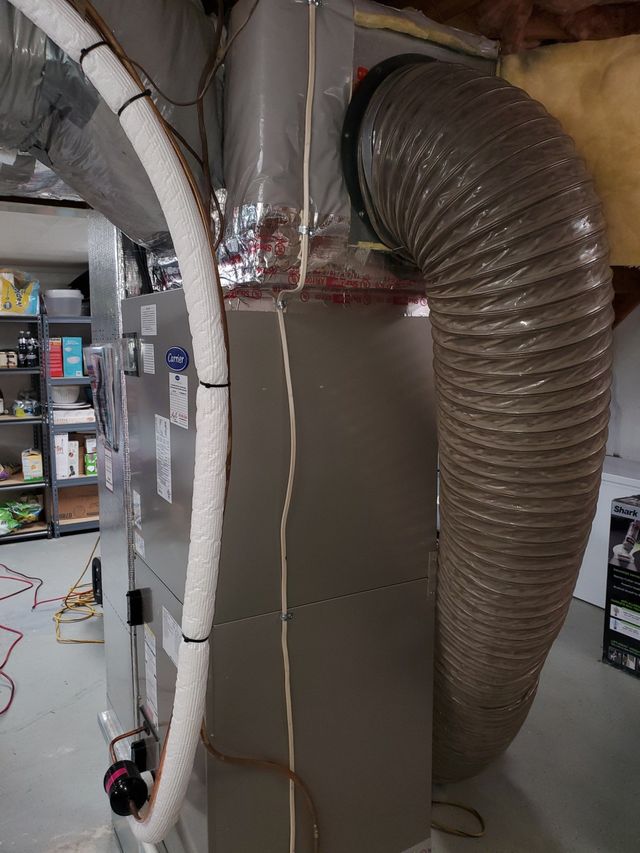
- Air handler closets and condensate drain lines
Because these areas are concealed, problems can persist without obvious symptoms.
Why DIY Air Quality Improvements Often Fall Short
Homeowners sometimes try to improve air quality by using air fresheners or small portable filters. While these methods may provide temporary relief, they often do not address the underlying cause.
DIY methods may fall short because:
- Humidity levels remain high
- Moisture sources are not corrected
- Duct systems remain contaminated
- Hidden mold or damp materials are not treated
Improving indoor air quality requires identifying and correcting the root cause of the problem.
Professional Indoor Air Quality Assessment
A professional inspection helps determine what is affecting indoor air conditions. In Fort Lauderdale homes, technicians typically:
- Measure indoor humidity levels
- Inspect HVAC systems and ductwork
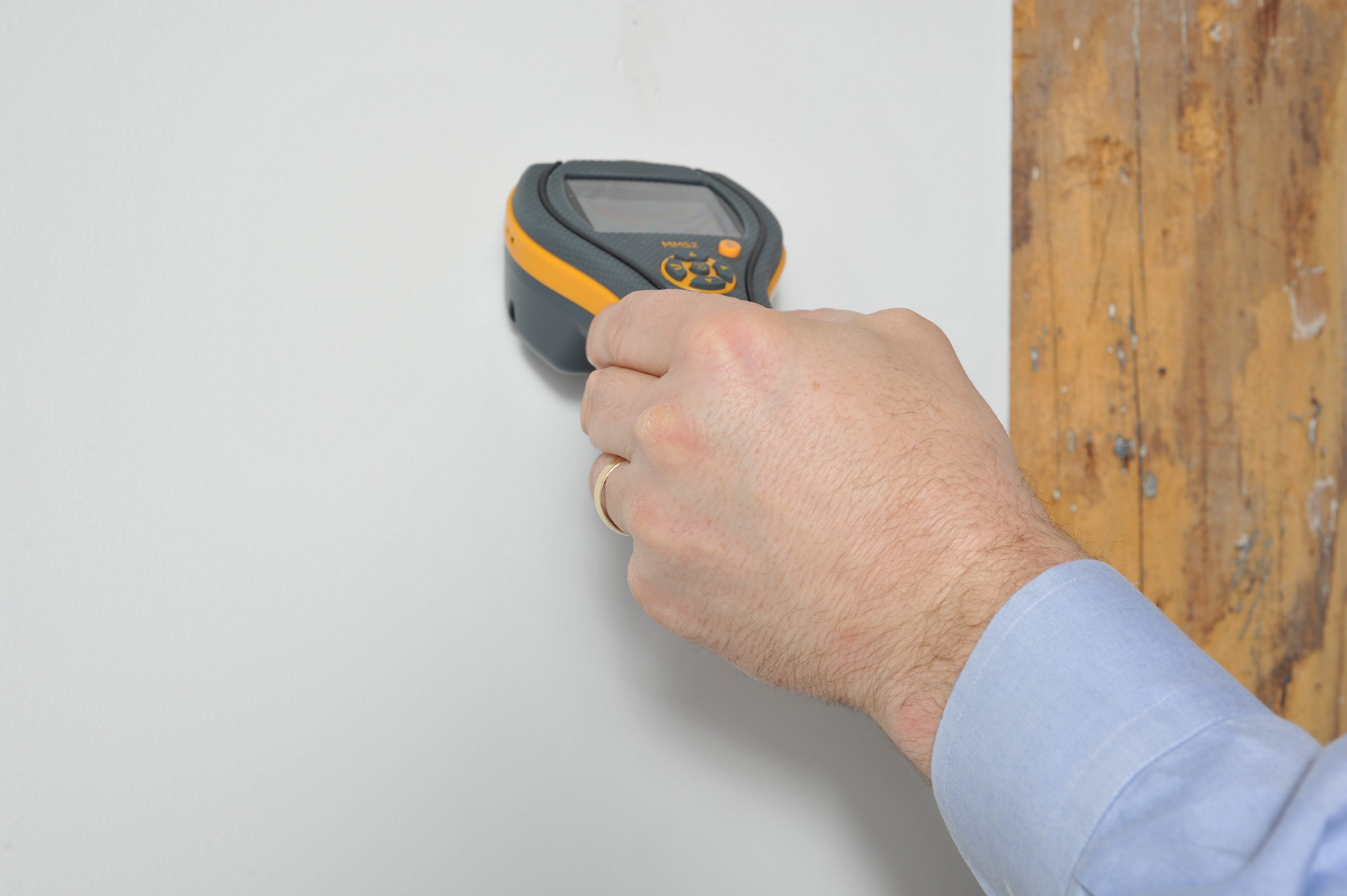
- Check for moisture in walls, ceilings, and flooring
- Evaluate ventilation and airflow
- Identify conditions that may lead to mold growth
Pompano Mold Inspection and Testing often performs indoor air quality assessments in Fort Lauderdale and surrounding Broward County communities, helping homeowners understand the factors affecting their indoor environment.
Costs of Indoor Air Quality Improvement
Costs vary depending on the condition of the home and the solutions required. Factors that influence cost include:
- Size of the home and HVAC system
- Extent of duct cleaning required
- Presence of mold or moisture problems
- Need for dehumidification or repairs
- Accessibility of ducts or attic spaces
An inspection usually helps determine which improvements are necessary and which solutions will be most effective.
Solutions for Improving Indoor Air Quality
Several effective solutions are commonly used to improve indoor air quality in Fort Lauderdale homes:
- Cleaning air ducts and vents
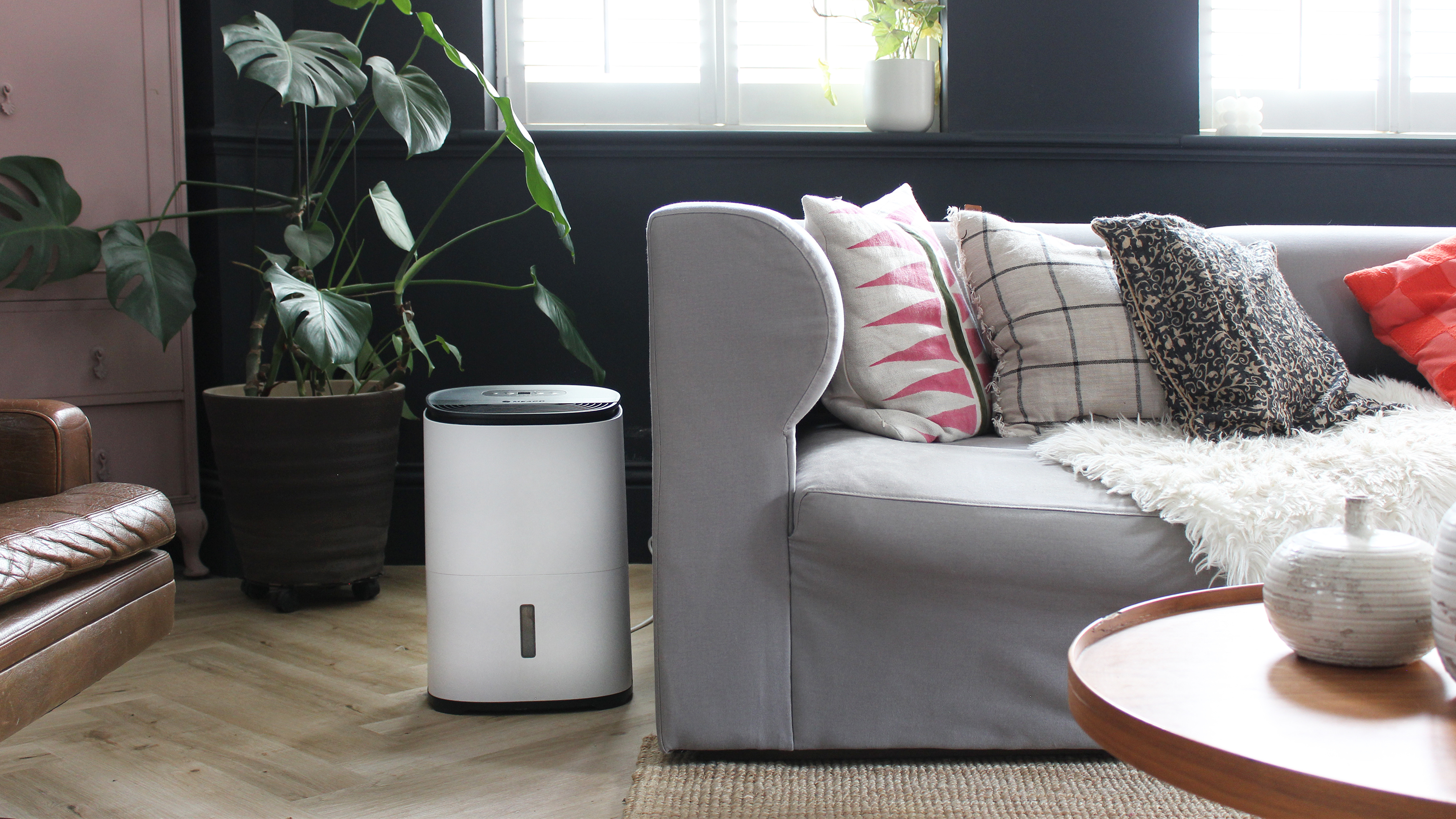
- Using dehumidifiers to control humidity
- Repairing leaks or moisture sources
- Improving attic or closet ventilation
- Maintaining HVAC systems regularly
Combining these steps often produces the best results.
Mold Removal and Moisture Control
Poor indoor air quality is often linked to mold growth. Mold may develop in areas with persistent moisture, such as:
- Behind drywall
- Inside duct systems
- Beneath flooring
- Attic insulation
If mold is discovered, remediation may include removing contaminated materials, cleaning surfaces, and drying structural components thoroughly. Correcting the moisture source is essential to prevent mold from returning.
HVAC Systems, Air Ducts, and Air Quality
HVAC systems play a central role in maintaining indoor air quality. Problems that affect airflow or humidity can reduce air quality, including:
- Dirty or clogged air filters
- Moisture in duct insulation
- Clogged condensate drain lines
- Poor airflow in certain rooms
Routine maintenance and inspections help ensure systems operate efficiently.
Practical Tips for Homeowners
Homeowners in Fort Lauderdale can improve indoor air quality by following simple maintenance steps:
- Replace HVAC filters regularly
- Keep air conditioning systems serviced
- Use dehumidifiers when humidity rises
- Improve ventilation in enclosed spaces
- Repair leaks promptly
Regular maintenance helps prevent small issues from becoming larger problems.
Why Local Experience Matters
Indoor air quality challenges in South Florida differ from those in many other regions. Professionals familiar with Fort Lauderdale understand:
- How coastal humidity affects indoor air
- Typical duct and HVAC layouts in Broward County homes
- Common moisture patterns after storms
This local knowledge helps inspections and improvements be more effective.
A Practical Next Step for Homeowners
Indoor air quality improvement is an important part of maintaining comfort and protecting a home from moisture-related damage. Identifying humidity problems, maintaining HVAC systems, and addressing moisture sources early can prevent mold growth and improve airflow.
With proper inspection, maintenance, and ventilation, homeowners in Fort Lauderdale can keep their indoor air clean, comfortable, and well balanced throughout the year.