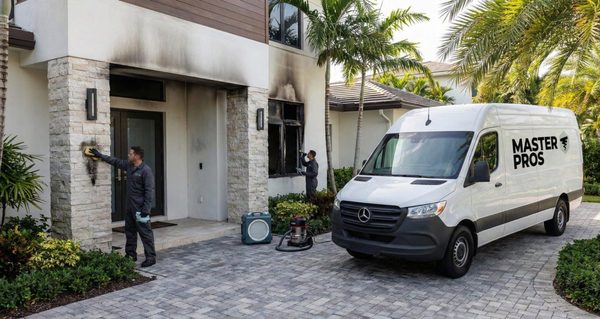
Mold growth is a common concern for homes in Deerfield Beach, especially in South Florida’s humid climate. High humidity, heavy rainfall, plumbing leaks, and poor ventilation create ideal conditions for mold to develop. Early detection through professional mold inspection and testing is essential to protect your home’s structure, indoor air quality, and overall safety.
For homeowners, landlords, and property managers in Deerfield Beach and nearby areas including Pompano Beach, Lighthouse Point, Margate, Coconut Creek, North Lauderdale, Lauderdale-by-the-Sea, and Fort Lauderdale, understanding the process of mold inspection and testing can prevent costly repairs and long-term damage.
What Mold Inspection and Testing Involves
Mold inspection and testing is a comprehensive process designed to detect, measure, and document mold presence in homes. Key steps include:
- Visual Inspection – Professionals look for visible mold, water stains, discoloration, and signs of moisture damage
- Moisture Detection – Using moisture meters and thermal imaging cameras to locate hidden dampness
- Air and Surface Sampling – Collecting air and surface samples to identify mold types and concentrations
- Assessment of Affected Areas – Determining the severity of contamination and risk to indoor air quality
- Detailed Reporting – Providing findings along with recommendations for remediation and prevention
Accurate mold testing helps homeowners make informed decisions on cleanup and repair.
How Mold Develops in Deerfield Beach Homes
Several factors contribute to mold growth in local homes:
- High Humidity – Coastal environments maintain elevated moisture levels year-round
- Water Intrusion – Roof leaks, plumbing failures, and storm flooding introduce moisture
- Condensation – Poorly insulated walls, windows, and AC systems trap water
- Poor Ventilation – Attics, crawl spaces, and bathrooms retain excess humidity
- Delayed Repairs – Water damage left unaddressed promotes mold colonization
Even small moisture issues, if ignored, can escalate into extensive mold infestations.
Early Signs Homeowners Should Not Ignore
Detecting mold early is critical to preventing long-term damage. Watch for these indicators:
- Musty or earthy odors
- Discoloration, staining, or dark spots on walls, ceilings, or baseboards
- Peeling or bubbling paint and wallpaper
- Warped, soft, or sagging flooring
- Mold growth under sinks, behind cabinets, or in crawl spaces
- Allergic reactions or respiratory irritation that worsen indoors
Recognizing these signs prompts timely inspection and testing before the mold spreads.
Hidden Areas Where Mold Can Grow
Mold often develops in less obvious locations:
- Inside wall cavities and behind baseboards
- Under carpet padding and flooring
- Attic insulation and roof structures
- HVAC ducts and air handling units
- Crawl spaces, plumbing chases, and utility areas
Professional inspections use specialized tools to detect hidden mold that may not be visible to the homeowner.
Why DIY Mold Testing Often Fails
Homeowners may attempt to test or remove mold themselves, but DIY approaches often fall short:
- Hidden mold behind walls or under flooring may go undetected
- Improper sampling or testing can give inaccurate results
- DIY cleaning may spread spores, worsening contamination
- Specialized equipment and expertise are required to fully assess and remediate
Professional mold inspection and testing ensures accurate identification and safe remediation planning.
Professional Mold Inspection and Testing Process
The standard process includes:
- Initial Assessment – Identify visible mold and areas of potential moisture intrusion
- Moisture Mapping – Use meters and thermal imaging to locate hidden water
- Sampling – Collect air and surface samples to determine mold species and concentration
- Analysis and Reporting – Provide a detailed report of findings, affected areas, and recommended remediation
- Recommendations – Offer guidance on cleanup, moisture control, and preventive strategies
Local experts like Pompano Mold Inspection and Testing specialize in Deerfield Beach homes, providing precise and actionable results.
Preventive Measures for Homeowners
After inspection and testing, homeowners can reduce future mold risk by:
- Repairing roof leaks, plumbing issues, and AC condensation problems promptly
- Ensuring proper attic, crawl space, and wall ventilation
- Monitoring indoor humidity and using dehumidifiers as needed
- Scheduling routine professional inspections, especially after storms or high-humidity periods
- Keeping HVAC systems and condensate lines clean and functional
Preventive maintenance helps protect both the home’s structure and indoor air quality.
Benefits of Professional Mold Inspection and Testing
Professional inspection and testing provide several advantages:
- Early detection of visible and hidden mold
- Identification of mold species and contamination severity
- Prevention of mold spread during cleanup
- Guidance for proper remediation and moisture control
- Peace of mind knowing your home is safe and thoroughly evaluated
Timely professional intervention reduces long-term damage and protects both property and occupants.
Why Local Expertise Matters
Mold growth in Deerfield Beach homes is influenced by coastal humidity, frequent storms, and local building construction. Professionals familiar with Deerfield Beach, Pompano Beach, Lighthouse Point, Margate, Coconut Creek, North Lauderdale, Lauderdale-by-the-Sea, and Fort Lauderdale understand typical problem areas and effective inspection strategies.
Local expertise ensures accurate detection, proper testing, and practical recommendations for South Florida homes.
A Calm, Practical Next Step for Homeowners
Early mold detection through professional inspection and testing is essential for safeguarding Deerfield Beach homes from structural damage, indoor air quality issues, and long-term moisture problems.
Partnering with a trusted local provider like Pompano Mold Inspection and Testing ensures thorough inspection, precise testing, and expert guidance for effective mold prevention and remediation in South Florida’s humid climate.