
Understanding Mold Inspection and Testing in Lauderdale-by-the-Sea: A Complete Homeowner Guide
Living near the coast has undeniable benefits—but it also creates ideal conditions for moisture-related problems. In Lauderdale-by-the-Sea, warm temperatures, high humidity, salt air, and frequent storms make mold a common concern for homeowners. What makes mold tricky is that it rarely starts where you can see it. More often, it develops quietly behind walls, under flooring, or inside HVAC systems.
This guide explains how mold inspection and testing actually work, when homeowners should consider them, and how to use the results to protect both the home and the people living in it.
Why Mold Is a Frequent Issue in Coastal Homes
Mold only needs three things to grow: moisture, organic material, and time. Coastal homes provide all three more easily than inland properties.
Contributing factors in Lauderdale-by-the-Sea include:
- Consistently high outdoor and indoor humidity
- Wind-driven rain entering through small building gaps
- AC systems running year-round, sometimes without proper dehumidification
- Condensation on ducts, vents, and exterior walls
- Homes built close to grade with limited drying potential
Even small or short-lived moisture events can create conditions where mold develops weeks later.
Mold Inspection vs Mold Testing: What’s the Difference?
Homeowners often use these terms interchangeably, but they serve different purposes.
Mold Inspection
A mold inspection focuses on identifying conditions that support mold growth. It includes:
- Visual evaluation of interior and exterior areas
- Identification of moisture-prone zones
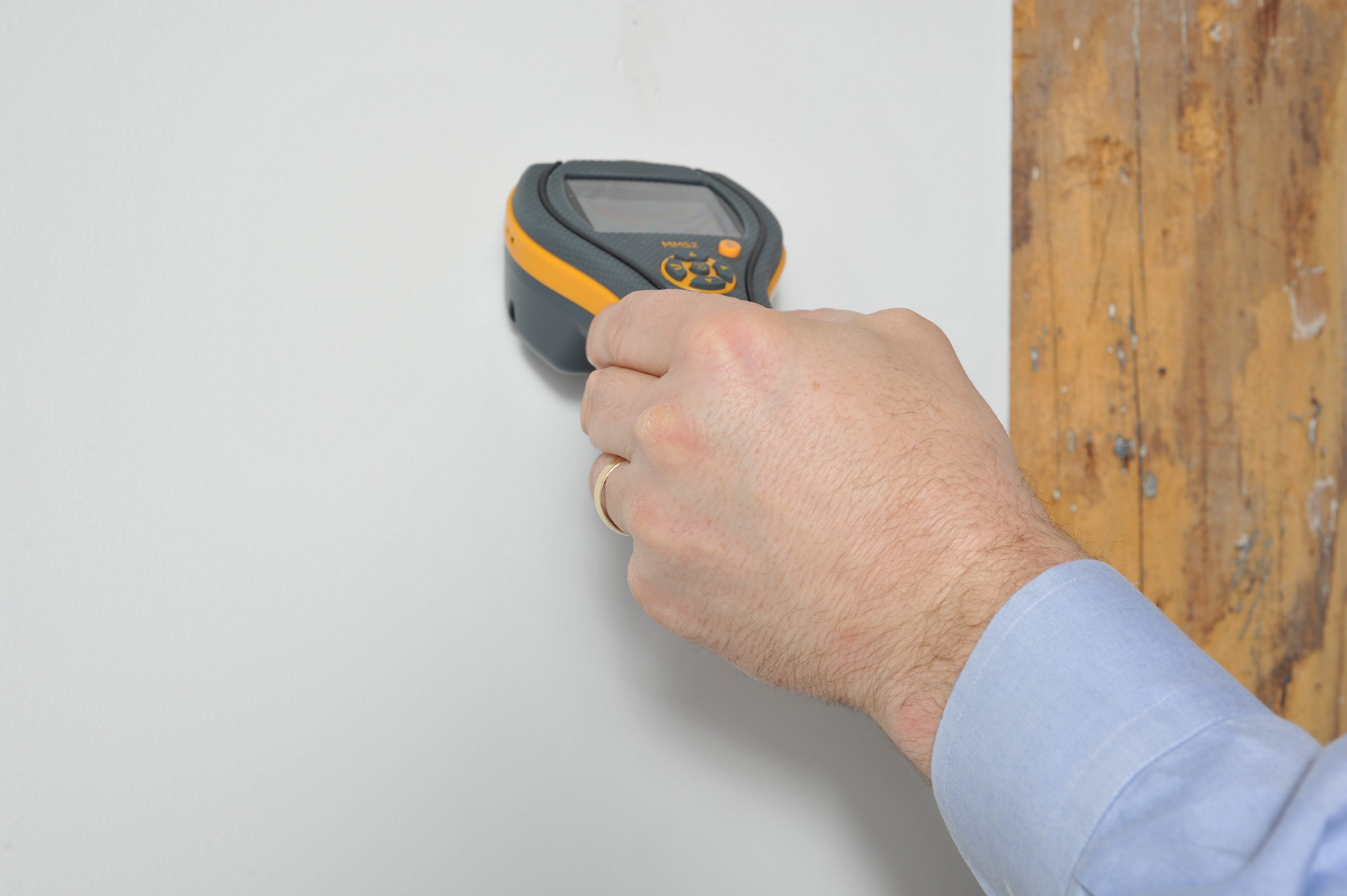
- Moisture meter readings in walls, ceilings, and floors
- Inspection of HVAC systems, attics, and crawl areas
- Determining whether mold is visible or likely hidden
Inspection answers the question: Is mold present or likely to develop—and why?
Mold Testing
Mold testing involves collecting samples to analyze mold spores or confirm suspected growth. Testing may include:
- Air sampling
- Surface sampling
- Targeted samples from high-risk areas
Testing answers the question: What is present, and at what levels?
Inspection always comes first. Testing is used when it adds clarity or documentation value.
When Homeowners Should Consider Mold Inspection
In a coastal environment, mold inspection isn’t just for emergencies. Homeowners in Lauderdale-by-the-Sea should strongly consider inspection when:
- Musty or damp odors persist
- Water stains appear or reappear
- Paint bubbles or drywall softens
- Humidity feels consistently high indoors
- Plumbing leaks or AC overflows occur
- Storms cause roof or window intrusion
- Buying or selling a coastal property
Waiting for visible mold often means the problem has already spread.
Common High-Risk Areas in Coastal Homes
Certain parts of a home are far more likely to develop mold, especially near the ocean.
Inspectors pay close attention to:
- Exterior walls facing prevailing winds
- Bathrooms and kitchens with limited ventilation
- Closets on outside walls
- Under-sink cabinets and vanities
- Attics near roof penetrations
- HVAC closets, return vents, and ductwork
Mold in these areas is often hidden, making professional inspection essential.
The Role of Moisture Detection
Moisture detection is the backbone of reliable mold inspection. Mold cannot exist without moisture, so locating water sources is more important than finding mold itself.
Moisture detection helps to:
- Locate hidden leaks behind walls or under floors
- Identify condensation problems from HVAC systems
- Distinguish active moisture from old, dried issues
- Map the full extent of affected areas
Without moisture data, inspection findings are incomplete and repairs often fail.
How Mold Testing Is Used Strategically
Testing is not always necessary, but it becomes valuable in specific situations.
Mold testing is commonly recommended when:
- Mold is suspected but not visible
- Odors persist without a clear source
- Occupants report unexplained health symptoms
- Documentation is needed for insurance or real estate
- There is disagreement about the presence of mold
Good inspectors test with a purpose—not by default.
Understanding Test Results (Without Panic)
Mold spores exist everywhere. A test showing spores does not automatically mean a home is unsafe.
Proper interpretation considers:
- Indoor results compared to outdoor levels
- Types of spores detected
- Moisture conditions in the home
- Inspection findings and building history
Results are only meaningful when paired with inspection and moisture data.
Common Homeowner Mistakes to Avoid
Many mold problems worsen because of early missteps.
Avoid these common errors:
- Treating mold as a cleaning issue only
- Painting over water stains without moisture checks
- Relying on DIY mold test kits for decisions
- Ignoring persistent odors
- Assuming new construction is mold-proof
Most serious mold problems started small—and were ignored.
What Happens After a Mold Inspection
A proper inspection provides guidance, not just findings.
Post-inspection recommendations may include:
- Fixing moisture sources (plumbing, roof, HVAC)
- Targeted drying or dehumidification
- Mold remediation if active growth is confirmed
- Follow-up inspections after repairs
- Preventive steps to reduce future risk
This allows homeowners to act strategically instead of reacting blindly.
Mold Inspection for Property Owners and Rentals
For landlords and property managers, mold inspection is also a risk-management tool.
Inspections help by:
- Identifying issues between tenants
- Reducing habitability disputes
- Documenting property conditions
- Preventing small problems from becoming major claims
In coastal rental properties, proactive inspection is far easier than emergency remediation during occupancy.
Long-Term Mold Prevention in Coastal Homes
Inspection and testing solve today’s problem. Prevention protects the future.
Effective long-term strategies include:
- Maintaining AC systems and condensate drains
- Keeping indoor humidity under control
- Sealing and insulating ductwork
- Addressing water intrusion immediately
- Monitoring known problem areas regularly
In coastal environments, vigilance matters more than perfection.
Final Thoughts
Understanding mold inspection and testing in Lauderdale-by-the-Sea empowers homeowners to make smart, calm decisions in a challenging coastal climate. Mold problems here rarely appear overnight—they develop quietly as moisture goes unnoticed.
A proper approach focuses on moisture first, inspection second, and testing only when it adds clarity. When used correctly, mold inspection isn’t about fear—it’s about control, prevention, and protecting the long-term health of both the home and the people inside it.
