Understanding Mold Remediation in Coconut Creek: Understanding the Process
Mold growth is a common concern for homeowners and property managers in Coconut Creek. The combination of high humidity, frequent rain, and year-round air-conditioning creates conditions where moisture can accumulate in walls, ceilings, flooring, and HVAC systems. When moisture remains trapped, mold can begin to develop—sometimes in areas that are not immediately visible.
Mold remediation is the process used to remove mold safely, correct the moisture problem that caused it, and restore affected areas. Understanding how remediation works helps property owners respond quickly and prevent recurring damage.
What Mold Remediation Really Means
Mold remediation is more than simply cleaning visible mold. True remediation focuses on identifying the moisture source, containing affected areas, removing contamination, and restoring normal indoor conditions.
A complete remediation process usually includes:
- Inspection and moisture detection
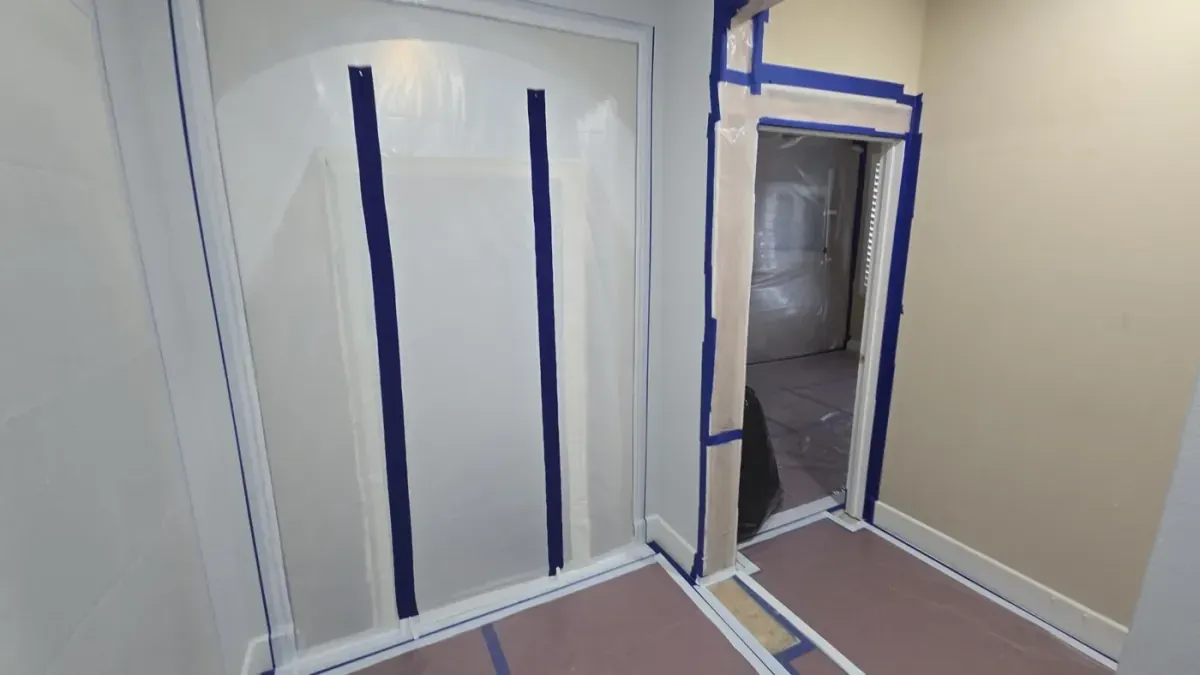
- Containment of affected areas
- Removal of contaminated materials when necessary
- Cleaning and treatment of surfaces
- Drying and humidity control
- Repair and restoration
The goal is not only to remove mold but also to prevent it from returning.
Why Mold Problems Are Common in Coconut Creek
Homes in Coconut Creek and nearby communities such as Margate, Deerfield Beach, and North Lauderdale face several environmental factors that contribute to mold growth.
High Humidity Year-Round
Humidity levels remain elevated for much of the year. Even without leaks, moisture in the air can accumulate in building materials.
Seasonal Storms and Heavy Rain
Storms may introduce water through roofs, windows, or foundations. Even small leaks can create damp conditions inside walls.
Air Conditioning Condensation
AC systems remove humidity but also produce condensation. If drain lines clog or insulation deteriorates, moisture may collect unnoticed.
Poor Ventilation
Bathrooms, kitchens, attics, and laundry rooms can trap humidity if airflow is limited, creating ideal conditions for mold growth.
These factors make moisture control and periodic inspections important for property owners.
Early Signs Mold May Be Developing
Mold problems often begin quietly. Property owners frequently notice subtle warning signs before visible growth appears.
Common early indicators include:
- Musty or damp odors
- Stains on ceilings or walls
- Peeling paint or bubbling drywall
- Warped baseboards or flooring
- Increased indoor humidity
- Dark spotting near vents or corners
These signs usually indicate moisture is present somewhere in the structure and should be investigated.
Hidden Areas Where Mold Often Develops
Mold is often discovered in areas that are rarely inspected.
Behind Drywall
Slow plumbing leaks or condensation inside walls can allow mold to develop without visible signs.
Under Flooring
Water from appliance leaks or minor flooding may remain trapped beneath flooring materials.
Attics
Poor ventilation or roof leaks can introduce moisture into insulation and wooden framing.
Air Ducts and HVAC Systems
Moisture inside ducts can contribute to mold growth and circulating odors.
Professional inspections are often necessary to locate these hidden sources.
Why DIY Mold Removal Usually Fails
Some homeowners attempt to remove mold using household cleaners or surface treatments. While this may temporarily improve appearance, it rarely solves the underlying problem.
DIY removal often fails because:
- Only visible mold is cleaned
- Moisture sources remain untreated
- Mold inside porous materials is not removed
- Spores may spread during cleaning
Without addressing the cause of moisture, mold often returns.
Professional Mold Inspection and Assessment
Before remediation begins, a thorough inspection helps determine the extent of contamination and identify moisture sources.
A typical inspection may include:
- Visual examination of affected areas
- Moisture detection in walls and flooring
- Evaluation of ventilation and airflow
- Inspection of HVAC systems and ducts
Experienced local providers such as Pompano Mold Inspection and Testing are familiar with the moisture patterns common in Coconut Creek homes, which helps ensure accurate assessments.
Step-by-Step Mold Remediation Process
Mold remediation usually follows a structured sequence to ensure safe and effective results.
Step 1: Containment
Affected areas are isolated to prevent mold spores from spreading to other parts of the home.
Step 2: Removal of Contaminated Materials
Porous materials such as drywall, insulation, or carpeting may be removed if heavily affected.
Step 3: Cleaning and Treatment
Surfaces are cleaned using appropriate methods to remove mold safely.
Step 4: Structural Drying
Air movers and dehumidifiers are used to remove moisture from walls, floors, and surrounding materials.
Step 5: Repair and Restoration
Damaged materials are repaired or replaced to restore the home to normal condition.
Each step is important to ensure mold does not return.
Flood Restoration and Water Damage Considerations
Mold often develops after water intrusion or flooding. Even small amounts of trapped moisture can lead to growth if materials are not dried thoroughly.
Flood restoration may include:
- Water extraction
- Structural drying
- Inspection of insulation and flooring
- Repair of damaged materials
Homes in Fort Lauderdale and Lighthouse Point that experience storm-related water intrusion often require both water damage repair and mold remediation.
Air Ducts, AC Systems, and Mold
HVAC systems play a major role in indoor humidity control. When ducts or air handlers collect moisture, mold may develop in hidden areas.
Warning signs include:
- Musty odors when the AC runs
- Condensation near vents
- Uneven airflow
- Increased indoor humidity
Routine maintenance and duct inspections help prevent these problems.
How to Prevent Mold After Remediation
Preventing mold from returning is an important part of the remediation process.
Homeowners in Coconut Creek can reduce risk by:
- Fixing leaks promptly
- Maintaining HVAC systems regularly
- Keeping gutters and drainage systems clear
- Improving attic and bathroom ventilation
- Monitoring indoor humidity levels
- Scheduling periodic inspections
Property managers in Margate and Deerfield Beach often include moisture checks as part of routine maintenance to catch problems early.
Why Local Experience Matters
Mold remediation in coastal Florida requires an understanding of regional conditions. High humidity, seasonal storms, and local construction styles all influence how moisture spreads and how materials dry.
Professionals familiar with Coconut Creek homes understand:
- Typical moisture intrusion points
- Ventilation challenges in local construction
- Drying requirements in humid climates
- Common attic and duct issues
This knowledge helps ensure remediation is thorough and long-lasting.
A Calm, Practical Next Step
Mold problems rarely improve on their own, but early inspection and proper remediation can prevent serious damage. Paying attention to warning signs—such as odors, stains, or humidity changes—helps homeowners act before problems spread.
Many homeowners in Coconut Creek and nearby communities schedule inspections with experienced local providers like Pompano Mold Inspection and Testing to confirm that their homes remain dry, safe, and well maintained.
Timely remediation, proper moisture control, and regular inspections remain the most reliable ways to protect a property from mold-related damage.