
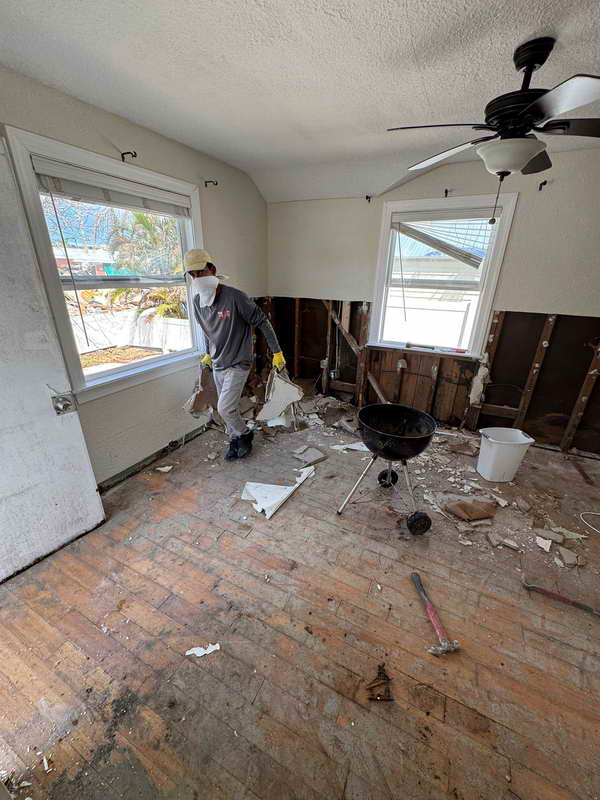


Understanding Mold Remediation in Lauderdale-by-the-Sea: Warning Signs and Prevention Tips
Mold problems are a familiar concern for property owners in Lauderdale-by-the-Sea. With constant humidity, ocean air, and frequent rain, mold can develop quietly in homes and rental properties before anyone realizes there is an issue. By the time visible mold appears, moisture has often been present for an extended period. Understanding how mold remediation works, what warning signs to look for, and how to prevent future growth is essential for protecting properties in this coastal environment.
In Lauderdale-by-the-Sea, mold is rarely an isolated problem. It is usually a sign of excess moisture that needs to be identified and controlled. Proper remediation focuses on both removing mold and correcting the conditions that allowed it to grow.
What Mold Remediation Really Means
Mold remediation is the process of identifying, containing, removing, and preventing mold growth inside a property. It goes beyond surface cleaning. Effective remediation addresses mold hidden inside walls, ceilings, flooring, insulation, and air systems.
The goal is not only to remove visible mold but also to reduce moisture levels and restore affected areas to safe conditions. Without addressing moisture sources, mold is likely to return, even after thorough cleaning.
Why Mold Is So Common in Lauderdale-by-the-Sea
Lauderdale-by-the-Sea’s coastal location creates ideal conditions for mold growth. High humidity levels remain consistent throughout the year, and salt air adds extra moisture stress to building materials. Afternoon storms, heavy rainfall, and occasional flooding events frequently introduce water into structures.
Air conditioning systems also contribute. In South Florida homes, AC units operate almost nonstop. Condensation from drain lines, coils, or ductwork can leak into walls and ceilings if systems are not properly maintained. Similar issues are common in nearby areas like Fort Lauderdale, Pompano Beach, and Lighthouse Point.
Older homes with original plumbing or limited ventilation are especially vulnerable, but newer construction can also experience mold problems if moisture control is insufficient.
Common Warning Signs Homeowners Notice
Mold does not always appear as obvious patches on walls. Many homeowners first notice a persistent musty odor, particularly in bathrooms, closets, or rooms with poor airflow. Discoloration on walls or ceilings, peeling paint, and bubbling drywall can also indicate mold growth behind surfaces.
Other signs include increased indoor humidity, condensation on vents or windows, and recurring mold spots that return after cleaning. Warped baseboards or flooring may suggest moisture trapped below the surface.
Hidden Sources of Mold Growth
Some of the most problematic mold growth occurs in areas that are rarely inspected. Plumbing leaks inside walls, beneath sinks, or under slab foundations can go unnoticed for long periods. AC drain line leaks in attics often soak insulation and ceiling materials without immediate visible damage.
Roof leaks after storms are another frequent source. Water can enter through small openings and travel along framing, spreading moisture far from the entry point. Air ducts are also common problem areas, especially when condensation builds up inside poorly insulated ductwork.
Coastal properties in Lauderdale-by-the-Sea may experience faster moisture accumulation due to salt air and higher ambient humidity compared to inland areas.
Why DIY Mold Removal Usually Fails
Many homeowners attempt to handle mold themselves using household cleaners or store-bought products. While this may remove visible mold temporarily, it rarely solves the underlying issue. Mold often grows beneath surfaces or inside materials that cannot be effectively cleaned without professional equipment.
Scrubbing mold without addressing moisture can spread mold particles to other areas. Without identifying and correcting the moisture source, mold growth is likely to return, sometimes in new locations. DIY efforts often lead to repeated cleanups rather than lasting solutions.
Professional Mold Inspection and Testing
Effective mold remediation starts with a thorough inspection. A professional mold inspection focuses on identifying where mold is present and why it developed. Moisture detection tools are used to locate damp areas inside walls, ceilings, floors, and duct systems without unnecessary damage.
In Lauderdale-by-the-Sea properties, inspections often include bathrooms, kitchens, AC systems, attics, and exterior walls. Mold inspection and testing may be used to confirm hidden mold growth and guide the remediation process.
This step ensures that remediation addresses the full scope of the problem rather than just surface symptoms.
Proper Mold Remediation Process
Professional mold remediation follows a controlled and methodical approach. Affected areas are isolated to prevent mold from spreading during removal. Contaminated materials such as drywall, insulation, or carpeting are removed when necessary.
Remaining surfaces are cleaned and treated using appropriate methods, and moisture levels are carefully managed. Drying and moisture control are essential parts of remediation. Without proper drying, mold can return even after thorough removal.
Water Damage Repair and Moisture-Related Mold Issues
Mold remediation often overlaps with water damage repair. Past leaks, flooding, or water intrusion events frequently leave moisture trapped in building materials. Even when visible water is gone, moisture can remain behind walls and under floors.
Water removal and flood restoration services focus on thorough drying and monitoring moisture levels until materials return to safe ranges. Addressing water damage promptly reduces the risk of mold developing later.
AC Systems, Air Ducts, and Mold Prevention
Air conditioning systems play a major role in mold growth and prevention. Condensation inside ducts, dirty coils, or restricted airflow can introduce moisture and distribute mold throughout a property.
Air duct cleaning and AC-related moisture repairs help reduce mold risk and improve indoor air quality. Proper insulation, sealed ductwork, and routine maintenance are especially important in coastal South Florida homes.
Preventing Mold in Lauderdale-by-the-Sea Homes
Prevention starts with moisture control. Regular AC maintenance, prompt plumbing repairs, and good ventilation help keep humidity levels in check. Using exhaust fans in bathrooms and kitchens and ensuring proper airflow throughout the home also reduces moisture buildup.
After heavy rain or storms, inspecting attics, ceilings, and exterior walls for water intrusion allows issues to be addressed early. Early detection often prevents the need for extensive remediation.
Why Local Experience Matters
Mold remediation in Lauderdale-by-the-Sea requires an understanding of local conditions. Coastal humidity, salt air, and Florida construction styles all influence how mold develops and spreads. Local experience helps professionals identify common problem areas and apply effective solutions.
Pompano Mold Inspection and Testing brings that local knowledge to mold remediation, inspection, and moisture-related services across Lauderdale-by-the-Sea, Fort Lauderdale, Pompano Beach, Coconut Creek, Deerfield Beach, Margate, and surrounding Broward County communities.
A Calm, Practical Approach
Mold issues can feel stressful, but they don’t have to become overwhelming. Understanding warning signs and focusing on prevention allows property owners to take control early. With proper inspection, moisture management, and professional remediation when needed, mold problems can be resolved effectively while protecting the long-term condition of a Lauderdale-by-the-Sea property.
