

Understanding Mold Removal in Coconut Creek: Risks and Prevention Methods
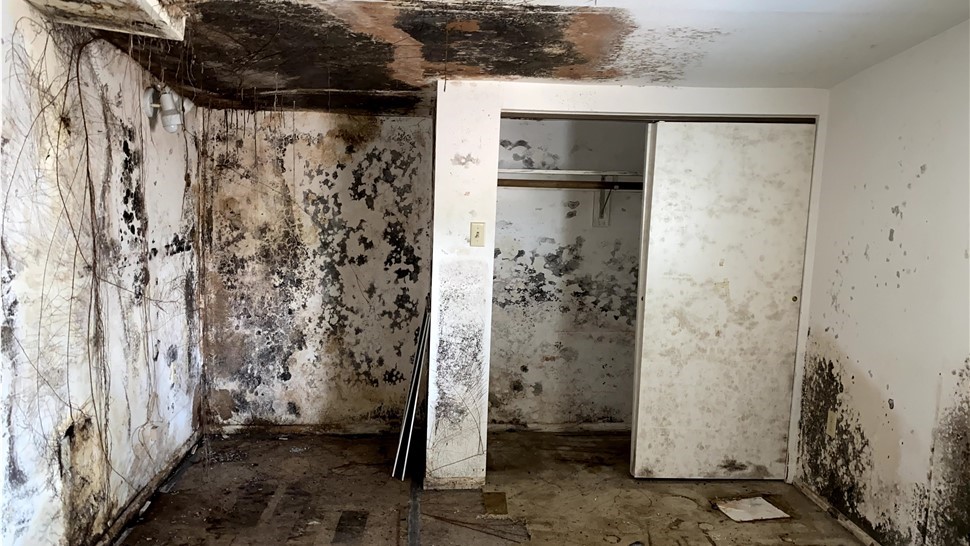
Mold is a common issue for homeowners in Coconut Creek, Florida, and it often develops quietly before anyone realizes there is a problem. High humidity, frequent rain, and year-round air conditioning create ideal conditions for mold growth inside homes. While some mold problems are visible, many develop behind walls, inside air ducts, or under flooring, making professional mold removal an important part of protecting both the home and the people living in it.
In Coconut Creek and nearby areas like Margate, Pompano Beach, Deerfield Beach, and North Lauderdale, mold issues are rarely caused by a single event. More often, they result from ongoing moisture problems that go unnoticed. Understanding the risks associated with mold and how proper removal and prevention work helps homeowners make informed decisions and avoid recurring issues.
What Mold Growth Really Is
Mold is a natural organism that thrives in damp environments. Indoors, it feeds on organic materials such as drywall, wood, carpet backing, and insulation. When moisture is present, mold spores settle and begin to grow, spreading gradually through affected areas.
In homes, mold growth often starts in places with poor airflow or hidden moisture. Bathrooms, kitchens, laundry rooms, and closets are common locations. Attics and crawl spaces are also frequent problem areas due to heat and limited ventilation.
Once mold becomes established, it does not stay contained. Spores can spread through the air and settle in other areas of the home, especially when air conditioning systems are running.
Why Mold Is So Common in Coconut Creek
Coconut Creek’s climate plays a major role in mold problems. High humidity levels persist throughout the year, and homes rely heavily on air conditioning to remain comfortable. This constant cooling creates condensation, which can accumulate if systems are not properly maintained.
Seasonal storms and heavy rain increase the risk of water intrusion through roofs, windows, and foundations. Even small leaks can introduce enough moisture to support mold growth. Slab foundations, common in South Florida, allow moisture to migrate upward after prolonged rainfall.
Older homes in Coconut Creek may also have outdated ventilation or aging plumbing, increasing the likelihood of hidden leaks and moisture buildup.
Common Signs Homeowners Notice
Mold problems often reveal themselves gradually. One of the most common signs is a persistent musty odor, especially when the AC turns on or after rain. Visible mold spots on walls, ceilings, or around vents may appear in more advanced cases.
Homeowners may also notice peeling paint, warped baseboards, or staining on drywall. Increased humidity inside the home, condensation on windows, or frequent AC cycling can also indicate underlying moisture issues.
In many cases, mold is present even when no visible signs are obvious, particularly when growth occurs behind walls or inside ductwork.
Hidden or Overlooked Sources of Mold
Some of the most serious mold problems originate from hidden sources. Slow plumbing leaks behind walls or under sinks can feed mold for months without detection. Roof leaks may only appear during heavy storms and dry out quickly, leaving moisture trapped in insulation.
Air conditioning systems are another common source. Clogged condensation lines, overflowing drip pans, or poorly insulated ductwork can release moisture into walls and ceilings. In multi-room homes, shared duct systems can distribute spores throughout the property.
Past water damage that was never properly dried is also a frequent cause. Even if the surface appears dry, moisture trapped inside materials can support ongoing mold growth.
Why DIY Mold Removal Usually Fails
Many homeowners attempt to clean mold using household cleaners or bleach. While this may remove visible staining, it rarely addresses the underlying problem.
Surface cleaning does not remove mold roots embedded in porous materials. Without addressing the moisture source, mold returns quickly. DIY cleaning can also disturb spores, spreading them to other areas of the home.
Improper handling of mold-contaminated materials may worsen the situation, especially when growth is extensive or hidden. Effective mold removal requires proper containment, specialized equipment, and moisture control.
Professional Mold Inspection and Testing Explained
Professional mold removal begins with inspection and testing. This process identifies the extent of mold growth and locates moisture sources that support it.
Moisture detection tools help pinpoint hidden damp areas behind walls, under floors, or in attics. Air and surface sampling may be used when necessary to better understand contamination levels.
This step ensures that mold removal efforts target the full problem rather than just visible symptoms, reducing the chance of recurrence.
Proper Mold Removal and Remediation Process
Mold remediation involves several key steps. First, affected areas are contained to prevent spores from spreading during removal. Contaminated materials that cannot be cleaned are safely removed and disposed of.
Surfaces are cleaned using professional methods designed for mold removal. Air filtration equipment helps capture airborne spores during the process. Most importantly, the moisture source is corrected to prevent mold from returning.
In Coconut Creek homes, remediation often includes addressing ventilation issues, AC repairs, or sealing leaks that allowed moisture to accumulate.
Water Damage and Its Role in Mold Growth
Water damage and mold are closely connected. Any water intrusion that is not properly addressed can lead to mold growth within days.
Flooding, plumbing failures, or storm-related leaks introduce moisture deep into building materials. Without professional water removal and drying, these areas remain damp long after visible water is gone.
Effective mold prevention requires proper water damage repair, including drying, dehumidification, and material replacement when necessary.
Air Ducts, AC Systems, and Mold
Air ducts and AC systems play a significant role in mold spread. Moisture inside ductwork or air handlers creates ideal conditions for growth. Once present, mold spores can circulate throughout the home.
Dirty or wet ducts reduce air quality and contribute to persistent odors. Professional duct inspection and cleaning are often part of comprehensive mold remediation in Coconut Creek homes.
Keeping AC systems well-maintained helps control humidity and reduce mold risk.
Preventing Mold in Coconut Creek Homes
Prevention starts with moisture control. Keeping indoor humidity levels low, maintaining AC systems, and addressing leaks promptly are essential steps. Regular filter changes and proper ventilation in bathrooms and kitchens also help.
Routine inspections of roofs, plumbing, and HVAC systems catch issues early. After any water intrusion, professional drying should be completed quickly to prevent mold growth.
In Coconut Creek’s climate, prevention is ongoing and requires consistent attention.
Why Local Experience Matters
Mold removal in Coconut Creek requires an understanding of South Florida’s unique conditions. Local professionals recognize how humidity, storms, and construction styles contribute to mold problems.
Pompano Mold Inspection and Testing brings experience from working in Coconut Creek, Margate, Pompano Beach, and surrounding Broward County communities. Local knowledge helps ensure mold removal addresses root causes rather than temporary fixes.
A Calm, Practical Approach for Homeowners
Mold problems can feel overwhelming, but they don’t have to be. Early detection, proper inspection, and professional remediation protect both the home and its occupants.
For homeowners in Coconut Creek, understanding mold risks and prevention methods allows for informed decisions and long-term protection. Addressing moisture issues promptly and relying on experienced local professionals helps keep homes safe, comfortable, and resilient in Florida’s challenging environment.
