
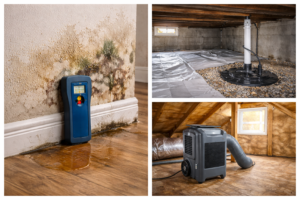
Understanding Mold Removal in Deerfield Beach: Costs, Causes, and Solutions
Deerfield Beach, Florida, is a coastal city known for its sunny beaches, tropical climate, and vibrant residential communities. While the area offers an idyllic lifestyle, the same environmental factors that make it attractive also contribute to a significant risk: mold growth in homes. Mold can develop quickly in areas with excess moisture, poor ventilation, or water damage, and it poses risks to both health and property.
For homeowners in Deerfield Beach, understanding the causes of mold, the costs associated with removal, and the most effective solutions is critical. This guide provides a detailed overview to help residents recognize early warning signs, take preventive measures, and manage mold remediation effectively.
1. Why Mold Removal Matters
Mold is more than just an unsightly problem. It can have serious implications for health, home value, and structural integrity.
1.1 Health Risks
- Mold produces spores that can become airborne, triggering allergic reactions, asthma attacks, coughing, and respiratory irritation.
- Certain types of mold release mycotoxins, which can cause headaches, fatigue, and skin irritation.
- Children, elderly residents, and individuals with compromised immune systems are particularly vulnerable.
1.2 Structural Damage
- Mold feeds on organic materials such as drywall, wood, and insulation.
- Left untreated, it can weaken structural components, leading to costly repairs and compromising the safety of the home.
1.3 Indoor Air Quality
- Airborne mold spores reduce indoor air quality and can aggravate pre-existing respiratory conditions.
- Mold odors—often described as musty or earthy—can linger, creating an unpleasant living environment.
1.4 Financial Protection
- Early mold removal prevents extensive damage that can lead to high repair costs.
- Proper remediation also preserves home value and can make insurance claims easier to process.
2. Common Causes of Mold in Deerfield Beach Homes
Deerfield Beach’s tropical climate, combined with frequent rainfall and coastal humidity, creates ideal conditions for mold growth. Common causes include:
2.1 Water Intrusion
- Roof leaks, foundation cracks, and damaged windows allow rainwater to enter homes.
- Even small leaks over time can saturate walls, ceilings, and insulation, creating a breeding ground for mold.
2.2 High Humidity
- Deerfield Beach experiences year-round humidity, often exceeding 70%.
- Poorly ventilated homes trap moisture in bathrooms, kitchens, attics, and crawlspaces, promoting mold growth.
2.3 Plumbing Leaks
- Burst pipes, leaking faucets, and malfunctioning water heaters introduce water into walls, floors, and ceilings.
- Hidden leaks behind walls or under flooring can remain unnoticed for months, leading to significant mold development.
2.4 Flooding and Storm Damage
- Heavy rains, flash floods, and hurricanes saturate homes, particularly basements, crawlspaces, and garages.
- Standing water or lingering dampness can quickly result in mold infestations.
2.5 Poor Ventilation
- Areas with inadequate airflow, such as attics, basements, and closed-off rooms, retain humidity.
- Lack of ventilation allows moisture to accumulate, creating favorable conditions for mold growth.
3. Warning Signs of Mold
Homeowners should be alert to early indicators of mold to prevent extensive damage:
- Musty odors in rooms, closets, or crawlspaces.
- Visible discoloration on walls, ceilings, or floors (often black, green, or brown).
- Peeling paint or wallpaper, caused by trapped moisture.
- Warping or soft flooring, especially in wood or laminate floors.
- Condensation on windows, mirrors, or pipes.
- Unexplained health symptoms, including coughing, sneezing, skin irritation, or eye irritation.
Early detection allows for timely remediation, minimizing costs and health risks.
4. Mold Removal Solutions
Effective mold removal requires a combination of professional inspection, cleaning, and preventive measures.
4.1 Professional Mold Inspection
- Certified inspectors identify affected areas, including hidden mold behind walls or under floors.
- Tools such as moisture meters, thermal imaging cameras, and air sampling help detect mold and assess the extent of contamination.
4.2 Containment
- Containment prevents mold spores from spreading to unaffected areas during remediation.
- Technicians use plastic barriers, negative air pressure systems, and sealing techniques to isolate contaminated zones.
4.3 Air Filtration
- High-efficiency particulate air (HEPA) filters and air scrubbers capture airborne mold spores.
- This step improves indoor air quality during the remediation process.
4.4 Mold Removal and Cleaning
- Non-porous surfaces, such as metal, glass, and wood, are cleaned and sanitized.
- Porous materials like drywall, carpeting, or insulation may need to be removed and replaced to fully eliminate mold.
4.5 Drying and Dehumidification
- Industrial fans and dehumidifiers are used to remove residual moisture.
- Proper drying ensures that mold does not return after cleaning.
4.6 Restoration
- Damaged materials are repaired or replaced.
- The home is restored to a safe and habitable condition, with improved moisture control.
5. Costs of Mold Removal
The cost of mold removal in Deerfield Beach depends on several factors:
5.1 Size of the Affected Area
- Small, localized mold problems may cost $500–$2,000.
- Larger infestations affecting multiple rooms or entire homes can exceed $10,000.
5.2 Type of Mold
- Common molds are typically less expensive to remove.
- Toxic or black mold may require specialized handling and containment, increasing costs.
5.3 Extent of Damage
- Mold embedded in structural materials or insulation raises remediation expenses.
- Hidden mold behind walls, floors, or ceilings often requires additional labor for access and repair.
5.4 Professional vs. DIY
- DIY methods may be cheaper initially but often fail to eliminate mold completely.
- Professional services ensure thorough removal, improving long-term safety and air quality.
5.5 Insurance Coverage
- Homeowners’ insurance may cover mold removal if it results from a covered peril, such as burst pipes or storm-related water damage.
- Proper documentation and inspection reports support claims.
6. Preventing Mold in Deerfield Beach Homes
Prevention is the most effective way to protect homes from mold damage. Key strategies include:
6.1 Control Indoor Humidity
- Maintain indoor humidity between 40–50%.
- Use dehumidifiers in basements, attics, and high-humidity areas.
6.2 Proper Ventilation
- Install exhaust fans in bathrooms, kitchens, and laundry rooms.
- Ensure attics and crawlspaces are ventilated to reduce trapped moisture.
6.3 Plumbing Maintenance
- Inspect pipes, faucets, and water heaters regularly for leaks.
- Repair or replace aging plumbing components promptly.
6.4 Roof, Window, and Foundation Care
- Check for missing shingles, cracked flashing, or leaks around windows.
- Ensure gutters and downspouts direct water away from the home foundation.
6.5 Prompt Water Damage Response
- Address leaks, floods, or spills within 24–48 hours to prevent mold growth.
- Dry wet areas using fans and dehumidifiers.
6.6 Landscaping and Drainage
- Grade the yard so water flows away from the foundation.
- Install French drains or swales in areas prone to water accumulation.
7. Seasonal Considerations in Deerfield Beach
Deerfield Beach’s coastal climate requires year-round vigilance:
7.1 Wet Season and Heavy Rains
- Seasonal storms and hurricanes saturate homes, particularly in attics, crawlspaces, and basements.
- Regular inspections and preventive maintenance are critical after heavy rainfall.
7.2 High Humidity Periods
- Even without rain, prolonged humidity creates ideal conditions for mold.
- Monitoring indoor humidity and ensuring proper ventilation is essential.
7.3 Hurricane Season
- Flooding and water intrusion during storms increase the risk of mold infestations.
- Secure outdoor drainage systems and repair roof leaks promptly.
8. Case Study: Deerfield Beach Home
A homeowner noticed a musty odor in the attic after a series of heavy rains. Inspection revealed:
- Mold growth on insulation and wooden beams due to roof leaks.
- Poor attic ventilation allowed moisture to accumulate.
Remediation included:
- Sealing the roof and repairing flashing.
- Removing mold-infested insulation and cleaning wooden surfaces.
- Installing proper attic ventilation.
- Using dehumidifiers to maintain optimal humidity.
Outcome: Mold was eliminated, indoor air quality improved, and further damage was prevented. This demonstrates the importance of timely mold removal and preventive measures.
9. Choosing a Mold Removal Professional
When hiring a professional in Deerfield Beach, consider the following:
- Certification and experience: Technicians should be IICRC-certified.
- Inspection tools: Use of moisture meters, thermal imaging, and air sampling is essential.
- Comprehensive services: Inspection, containment, removal, and restoration should be included.
- References and reviews: Verify reliability and quality of service.
- Insurance and warranties: Ensure coverage for liability and follow-up work.
Professional expertise ensures complete removal, preventing recurrence and protecting health.
10. Conclusion
Mold is a serious concern for Deerfield Beach homeowners due to the region’s humid climate, frequent rains, and potential for water intrusion. Mold removal is critical to protect health, preserve property value, maintain indoor air quality, and prevent structural damage.
By understanding the causes of mold, recognizing warning signs, and acting promptly with professional remediation, homeowners can safeguard their homes. Preventive measures—such as controlling humidity, improving ventilation, maintaining plumbing, and promptly repairing water damage—further reduce the risk of future infestations.
Investing in mold removal and prevention ensures that Deerfield Beach homes remain safe, comfortable, and structurally sound, even in the face of challenging tropical conditions.
