
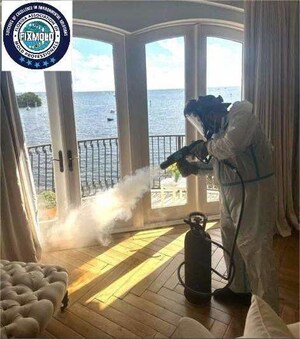
Understanding Mold Removal in Lauderdale-by-the-Sea: Risks and Prevention Methods
Mold removal is one of those topics many homeowners hope they never have to deal with. In Lauderdale-by-the-Sea, though, it’s a reality more homes face than people like to admit. Coastal humidity, heavy rain, and nonstop air conditioning create the perfect environment for mold to grow quietly behind walls, above ceilings, and inside HVAC systems.
The good news is that mold problems are manageable when handled correctly. Mold removal isn’t about panic or extreme measures—it’s about understanding why mold forms in this area, knowing the real risks, and taking the right steps to remove it safely while preventing it from coming back. This guide breaks down how mold removal works in Lauderdale-by-the-Sea homes and what homeowners should know to protect their property long term.
What Mold Removal Really Involves
Mold removal is often misunderstood. It’s not simply wiping down a surface or spraying a cleaning product. True mold removal focuses on eliminating mold-affected materials when necessary and, more importantly, correcting the moisture conditions that allowed mold to grow in the first place.
In residential homes, mold removal may include:
- Identifying active and hidden mold growth
- Removing contaminated materials that can’t be salvaged
- Cleaning and treating remaining surfaces
- Controlling airborne particles during the process
- Addressing leaks, humidity, or condensation issues
Without moisture control, mold removal becomes temporary, no matter how thorough the cleaning appears.
Why Mold Is So Common in Lauderdale-by-the-Sea Homes
Lauderdale-by-the-Sea’s coastal location plays a major role in mold development. Several local factors increase risk:
- High humidity levels year-round
- Heavy rain and storm-driven water intrusion
- Salt air affecting building materials and HVAC components
- Homes near water with limited natural airflow
- Constant AC use creating condensation
Even small issues—like a slow plumbing leak or a clogged AC drain line—can introduce enough moisture for mold to grow over time. Many homeowners don’t realize there’s a problem until odors or visible staining appear.
Risks of Ignoring Mold Problems
Mold doesn’t stay contained forever. When left unaddressed, it can spread to additional areas of the home and complicate repairs.
Common risks include:
- Damage to drywall, insulation, and flooring
- Persistent musty odors that affect comfort
- Reduced indoor air quality
- Higher repair costs as mold spreads
- Complications during home sales or inspections
Early mold removal is usually simpler and less disruptive than waiting until the issue becomes widespread.
Common Signs Mold Removal May Be Needed
Mold isn’t always obvious. Some of the most common signs homeowners in Lauderdale-by-the-Sea notice include:
- Musty or earthy smells that linger
- Discoloration on walls, ceilings, or around vents
- Bubbling paint or warped drywall
- Condensation on windows or AC vents
- Rooms that feel damp or sticky
- Increased humidity indoors
These signs don’t always confirm mold, but they strongly suggest moisture conditions that should be evaluated.
Hidden Mold Sources Homeowners Often Miss
In many homes, mold develops in areas that aren’t regularly inspected. Common hidden locations include:
- Behind bathroom and kitchen walls
- Inside AC air handlers and drain pans
- Attics with roof leaks or poor ventilation
- Beneath flooring after minor water damage
- Inside air ducts affected by condensation
- Behind cabinets or vanities near plumbing
Because these areas are out of sight, mold can grow for months before it’s discovered.
Why DIY Mold Removal Usually Fails
Many homeowners attempt to handle mold themselves using store-bought sprays or surface cleaners. While this may remove visible staining, it rarely solves the underlying problem.
DIY mold removal often fails because:
- Moisture sources aren’t identified or corrected
- Hidden mold remains untreated
- Airborne spores aren’t properly controlled
- Mold returns once conditions stay the same
Without proper inspection and moisture detection, DIY efforts usually lead to repeat problems.
Professional Mold Removal and Remediation Explained
Professional mold removal follows a structured process designed to protect both the home and its occupants.
Inspection and Assessment
The process begins with a detailed inspection to identify visible mold, moisture sources, and areas at risk. Moisture detection tools are often used to locate hidden dampness.
Containment and Air Control
Containment measures help prevent mold particles from spreading to unaffected areas. HEPA filtration may be used to maintain clean air during removal.
Removal of Affected Materials
Materials that cannot be properly cleaned, such as heavily contaminated drywall or insulation, are removed safely and disposed of.
Cleaning and Treatment
Remaining surfaces are cleaned and treated to remove residual mold and prevent regrowth.
Moisture Correction
The final and most important step is correcting the moisture issue—whether it’s a leak, condensation problem, or ventilation issue—so mold does not return.
The Role of Water Damage and Flooding
Many mold problems in Lauderdale-by-the-Sea start with water damage. Storms, roof leaks, plumbing failures, and AC issues can all introduce moisture that leads to mold growth if not dried properly.
Water removal and flood restoration help by:
- Extracting trapped moisture
- Drying structural materials thoroughly
- Reducing the chance of mold growth after leaks
- Supporting long-term indoor air quality
Prompt response to water damage significantly lowers mold risk.
How HVAC Systems and Ducts Contribute to Mold
Air conditioning systems are a major factor in mold development in South Florida homes. Common HVAC-related issues include:
- Clogged condensate drain lines
- Overflowing drain pans
- Sweating ductwork
- Poor insulation around ducts
- Dirty or contaminated air ducts
If moisture builds up inside the HVAC system, mold can spread through airflow and affect multiple rooms. That’s why mold removal often includes evaluating air ducts and AC components.
Practical Mold Prevention Methods for Homeowners
Preventing mold is about maintaining dry, balanced indoor conditions. Homeowners in Lauderdale-by-the-Sea can reduce risk by:
- Keeping indoor humidity under control
- Scheduling regular AC maintenance
- Clearing condensate drain lines
- Addressing leaks immediately
- Ensuring proper ventilation in bathrooms and kitchens
- Inspecting areas with past water damage
Consistent maintenance is far more effective than reactive cleanup.
Why Local Experience Matters
Mold removal in coastal South Florida isn’t the same as mold removal elsewhere. Understanding how humidity, storms, and building styles interact is essential for accurate diagnosis and lasting results.
Professionals familiar with Lauderdale-by-the-Sea and nearby areas such as Pompano Beach, Lighthouse Point, Deerfield Beach, Margate, Coconut Creek, North Lauderdale, and Fort Lauderdale recognize local moisture patterns quickly. Pompano Mold Inspection and Testing applies this local experience to mold removal projects, focusing on practical solutions and prevention rather than unnecessary disruption.
A Calm, Prevention-Focused Next Step
If you suspect mold in your Lauderdale-by-the-Sea home, the most effective step is gaining clarity. Proper inspection and mold removal address the issue at its source and help prevent future problems.
Early action protects your home, preserves indoor comfort, and avoids costly repairs later. Mold removal, when done correctly, restores not just surfaces—but peace of mind.
