Understanding Mold Testing in Fort Lauderdale: How to Prevent Future Damage
Mold is a common concern for homeowners in Fort Lauderdale. With high humidity, frequent storms, and year-round air-conditioning use, moisture can accumulate in homes quickly. Often, mold begins developing in hidden areas long before visible signs appear. By the time staining or odors are noticeable, moisture may already be affecting walls, ceilings, flooring, or ductwork.
Mold testing helps homeowners understand what is happening inside their homes, identify the causes of moisture, and take steps to prevent future damage. Knowing how mold testing works and how it supports prevention can help property owners protect both their homes and indoor air quality.
What Mold Testing Really Is
Mold testing is a process used to evaluate indoor environments for mold contamination and moisture conditions. Testing is often recommended when:
- Musty odors are present
- Water damage has occurred
- Mold is suspected but not visible
- Indoor air quality concerns arise
- A property is being prepared for sale or rental
Testing may include air samples, surface samples, or moisture readings to determine whether mold conditions are present and how severe they may be.
Why Mold Problems Are Common in Fort Lauderdale
Homes in Fort Lauderdale and nearby areas such as Pompano Beach, Lighthouse Point, Deerfield Beach, Margate, and Coconut Creek are particularly vulnerable to mold growth due to environmental conditions.
Several factors contribute:
- High year-round humidity
- Heavy seasonal rain and storms
- Flooding and water intrusion
- AC condensation and duct moisture
- Poor ventilation in some homes
In humid climates, building materials dry more slowly, which allows mold to develop more easily if moisture is not removed promptly.
Common Signs Homeowners Notice
Mold problems often begin quietly, and early signs may be easy to overlook. Property owners frequently notice:
- Musty or damp odors
- Peeling or bubbling paint
- Dark spots on walls or ceilings
- Warped baseboards
- Condensation on vents or windows
- Increased indoor humidity
These warning signs often indicate hidden moisture that should be evaluated before more serious damage develops.
Hidden or Overlooked Sources of Moisture
During inspections in Fort Lauderdale homes, moisture is often discovered in areas homeowners rarely check.
Common hidden locations include:
- Inside wall cavities near plumbing lines
- Beneath laminate or vinyl flooring
- Inside attic insulation
- Around air handlers and ductwork
- Beneath carpet padding
- Behind cabinets and appliances
Because these areas are concealed, mold can spread for weeks before becoming visible.
Why DIY Mold Removal Usually Fails
When mold appears, many homeowners attempt to clean affected areas using household cleaners. While this may remove surface discoloration, it rarely addresses the underlying moisture problem.
DIY removal often fails because:
- Moisture sources remain untreated
- Mold roots remain inside porous materials
- Hidden mold continues growing behind surfaces
- Humidity levels remain elevated
Without correcting moisture conditions, mold often returns.
Professional Mold Inspection & Testing Explained
Professional mold testing provides a clear understanding of indoor conditions and helps determine the best course of action.
A typical inspection and testing process includes:
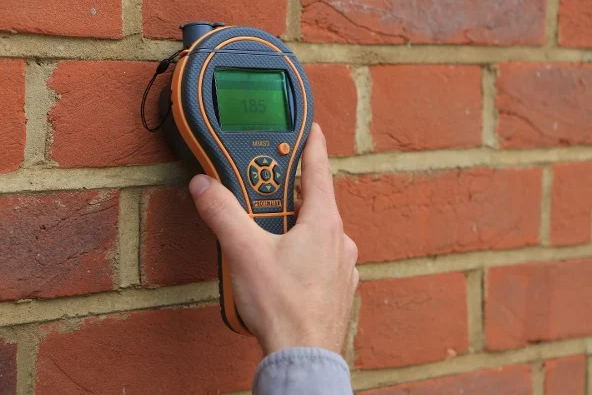
Moisture Detection
Moisture meters are used to measure dampness in drywall, wood, and flooring.
Thermal Imaging
Infrared cameras help locate hidden moisture behind walls and ceilings.
Humidity Measurement
Indoor humidity levels are evaluated to identify areas at risk of mold growth.
Air or Surface Sampling
Testing may be used to confirm mold presence and evaluate indoor air conditions.
Companies such as Pompano Mold Inspection and Testing often use these methods to ensure inspections are accurate and thorough.
Proper Mold Removal & Remediation Process
If mold is confirmed, remediation focuses on removing contamination safely and preventing future growth.
A proper remediation process typically includes:
- Containment of affected areas
- Removal of contaminated materials when necessary
- Cleaning and treatment of surfaces
- Drying and dehumidification
- Verification of safe moisture levels
Addressing the moisture source is the most important step in preventing mold from returning.
Flood Restoration & Water Damage Repair
Mold problems often begin with water damage. Roof leaks, plumbing leaks, or flooding can leave moisture trapped inside building materials.
Water damage repair usually involves:
- Water extraction
- Structural drying
- Removal of damaged materials
- Cleaning and restoration
Prompt water removal significantly reduces the risk of mold developing.
Air Ducts, AC Systems & Mold
Air-conditioning systems play a major role in indoor air quality in Fort Lauderdale homes. Because AC systems run frequently, condensation and duct moisture are common concerns.
Mold may develop when:
- Condensate drain lines become clogged
- Duct insulation becomes damp
- Airflow is restricted
- Indoor humidity remains high
Inspecting HVAC systems is often an important part of mold inspections, especially when musty odors appear while the AC is running.
How to Prevent Future Mold Damage in Pompano Beach and Fort Lauderdale Homes
Preventing mold requires consistent moisture control and maintenance.
Practical prevention steps include:
- Keeping indoor humidity below 60 percent
- Cleaning AC drain lines regularly
- Repairing plumbing leaks promptly
- Inspecting roofs after storms
- Using exhaust fans in kitchens and bathrooms
- Scheduling periodic moisture inspections
A simple humidity monitor can provide early warning of potential problems.
Why Local Experience Matters
Mold behavior in South Florida differs from that in drier climates. High humidity, coastal air, and frequent storms require inspection methods suited to local conditions.
Professionals who regularly work in Fort Lauderdale, Pompano Beach, Margate, and Deerfield Beach understand:
- Local construction methods
- Seasonal moisture patterns
- Common areas where mold develops
- Effective drying and remediation strategies
This local knowledge helps ensure inspections are thorough and solutions are effective.
A Practical Approach to Protecting Your Home
Mold problems are often manageable when detected early. Recognizing warning signs, identifying moisture sources, and conducting proper inspections can prevent larger repairs and long-term damage.
If musty odors, humidity problems, or signs of moisture appear, scheduling a professional inspection can help identify hidden issues and provide clear solutions. Pompano Mold Inspection and Testing is familiar with the types of mold conditions commonly found in Fort Lauderdale homes, and early evaluation often prevents more extensive damage later.
Maintaining proper ventilation, controlling humidity, and responding quickly to leaks are the most effective ways to prevent mold and protect homes in South Florida’s climate.