Understanding Mold Testing in Fort Lauderdale: How to Prevent Future Damage
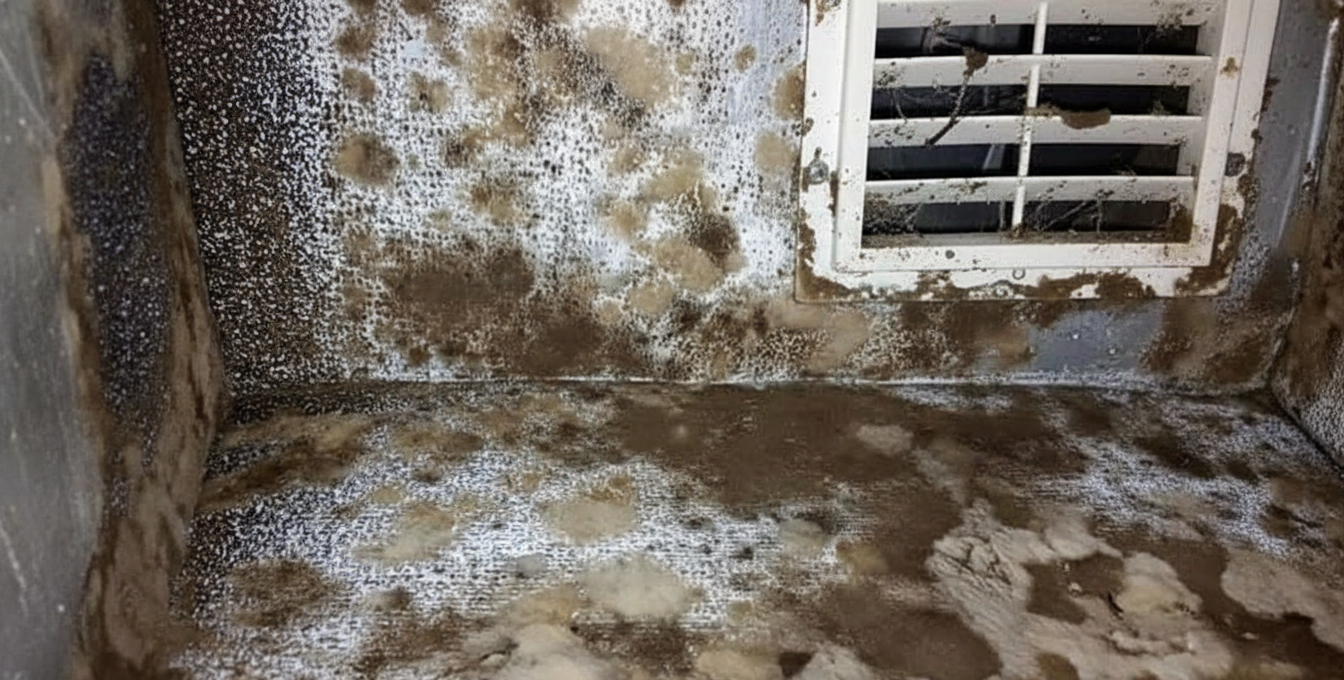
Mold problems are a reality for many property owners in Fort Lauderdale. With year-round humidity, frequent storms, and air-conditioning systems running almost constantly, moisture often finds its way into places it shouldn’t. Once mold begins growing, it can spread quietly behind walls, under flooring, or inside duct systems long before it becomes visible.
Mold testing plays an important role in identifying hidden problems early and helping property owners prevent costly damage. Understanding how mold testing works—and how it helps prevent future issues—can make a significant difference in protecting homes and buildings in Fort Lauderdale and surrounding Broward County communities.
What Mold Testing Is and Why It Matters
Mold testing is a professional process used to determine whether mold is present, what types may be present, and how severe the issue may be. While visible mold is sometimes obvious, many problems begin in hidden areas where moisture accumulates.
Testing provides clear, measurable information about indoor air quality and mold levels. This information helps guide the right corrective steps, whether that involves improving ventilation, addressing moisture intrusion, or performing remediation.
In coastal environments like Fort Lauderdale, mold testing is often recommended after:
- Water leaks
- Storm damage
- Flooding
- Persistent humidity issues
- Musty odors that don’t go away
Identifying the problem early helps prevent structural damage, material deterioration, and indoor air quality issues.
Why Mold Problems Are So Common in Fort Lauderdale
Fort Lauderdale’s climate creates ideal conditions for mold growth. Warm temperatures and high humidity allow mold spores to thrive when moisture is present.
Several local factors contribute to frequent mold issues:
- Heavy seasonal rains and thunderstorms
- Coastal humidity and salt air
- Air-conditioning condensation
- Poor ventilation in attics or closets
- Older duct systems in long-standing homes
Even small leaks or condensation problems can create enough moisture for mold to develop within 24 to 48 hours.
Nearby areas such as Pompano Beach, Lighthouse Point, Deerfield Beach, Margate, and Coconut Creek experience the same environmental conditions, making regular inspection and testing an important preventive step across the region.
Common Signs Homeowners Notice
Many homeowners first suspect mold when they notice changes inside their home. Some of the most common warning signs include:
- Persistent musty or earthy odors
- Discoloration on ceilings or walls
- Peeling paint or bubbling drywall
- Increased humidity indoors
- Allergy-like symptoms that worsen indoors
These signs don’t always confirm mold, but they often indicate conditions where mold may be developing.
Testing provides confirmation and helps determine how extensive the problem may be.
Hidden or Overlooked Sources of Moisture
One of the biggest challenges in preventing mold is identifying hidden moisture sources. In Fort Lauderdale homes, these commonly include:
- AC drain line leaks
- Condensation inside air ducts
- Roof leaks after storms
- Plumbing leaks behind walls
- Poor attic ventilation
- Window seal failures
Moisture can accumulate slowly in these areas, allowing mold growth to continue unnoticed for long periods.
Professional moisture detection tools are often used during inspections to locate these hidden sources before damage worsens.
Why DIY Mold Removal and Testing Often Falls Short
Store-bought mold test kits and cleaning solutions may seem convenient, but they rarely provide reliable or complete information.
DIY methods often fail because:
- They do not measure airborne mold levels accurately
- Hidden mold remains undetected
- Surface cleaning does not address moisture sources
- Results are often difficult to interpret
Without identifying the root cause, mold frequently returns, sometimes in larger amounts.
Professional testing focuses on both detection and prevention, ensuring that underlying conditions are addressed.
How Professional Mold Testing Works
Professional mold testing is a structured process designed to gather accurate, reliable data.
A typical mold testing procedure includes:
Visual Inspection
Inspectors look for visible signs of mold, water damage, or moisture intrusion.
Moisture Mapping
Specialized meters help identify damp building materials and hidden leaks.
Air Sampling
Air samples are collected to measure mold spores and compare indoor levels with outdoor conditions.
Surface Sampling (if needed)
Samples may be taken from visible growth to help identify mold types.
Laboratory Analysis
Samples are analyzed by certified laboratories to provide clear, detailed results.
Companies such as Pompano Mold Inspection and Testing often use this step-by-step approach to ensure accurate findings and practical recommendations for property owners across Broward County.
Proper Mold Removal and Remediation
If mold is confirmed, proper remediation focuses on both removal and prevention.
A professional remediation process typically includes:
- Isolating affected areas
- Removing contaminated materials when necessary
- Cleaning and treating surfaces
- Drying the structure completely
- Addressing moisture sources
Proper containment and drying are critical. Without these steps, mold can quickly return.
Flood Restoration and Water Damage Repair
In Fort Lauderdale, many mold problems begin after flooding or water damage. Even minor flooding can saturate flooring, drywall, and insulation.
Flood restoration generally involves:
- Water extraction
- Structural drying
- Dehumidification
- Cleaning and sanitation
- Repair of damaged materials
Thorough drying is essential. Moisture trapped inside materials is one of the leading causes of recurring mold growth.
Air Ducts, AC Systems, and Mold
Air-conditioning systems play a major role in indoor moisture levels. In South Florida homes, ducts and air handlers often become problem areas if condensation builds up.
Mold may develop in:
- Air ducts
- Drain pans
- Evaporator coils
- Air handler cabinets
Regular duct inspection and cleaning can help reduce moisture buildup and improve indoor air quality.
Proper airflow and humidity control are also important in preventing mold inside HVAC systems.
How to Prevent Mold in Fort Lauderdale Homes
Preventing mold requires consistent moisture control and routine home maintenance.
Effective prevention strategies include:
- Keeping indoor humidity below 60%
- Fixing leaks promptly
- Cleaning AC drain lines regularly
- Ensuring proper attic ventilation
- Using dehumidifiers when necessary
- Scheduling periodic inspections
These steps significantly reduce the risk of mold growth and long-term structural damage.
Why Local Experience Matters
Mold behavior varies by region, and South Florida’s environment presents unique challenges. Inspectors familiar with Fort Lauderdale and surrounding areas understand how coastal weather, construction methods, and ventilation patterns affect moisture and mold growth.
Local experience helps identify problem areas more quickly and recommend practical, realistic solutions suited to Broward County homes.
A Practical Step Toward Protecting Your Property
Mold testing is not just about finding mold—it’s about preventing future damage. Early detection, accurate analysis, and proper moisture control help protect property value, structural integrity, and indoor comfort.
Property owners in Fort Lauderdale who stay proactive with inspections and moisture management often avoid the larger repairs and disruptions that untreated mold can cause.