Understanding Mold Testing in Lighthouse Point: Costs, Causes, and Solutions
Mold concerns are common in Lighthouse Point because of the coastal climate, high humidity, and frequent storms that affect Broward County homes. Moisture from leaks, condensation, or flooding can create conditions where mold develops quietly, sometimes long before it becomes visible. Mold testing helps property owners understand whether mold is present, what may be causing it, and what steps may be needed to correct the problem.
Knowing how mold testing works, what it typically costs, and what causes mold growth helps homeowners make informed decisions and protect their properties.
What Mold Testing Is
Mold testing is the process of evaluating indoor environments to determine whether mold spores are present at elevated levels. Testing may involve air sampling, surface sampling, or moisture readings to better understand conditions inside the home.
Mold testing is often recommended when:
- Musty odors are present
- Water damage has occurred
- Visible mold is suspected
- Indoor air quality concerns develop
- A property inspection is being conducted before sale or renovation
Testing provides information that helps guide decisions about cleaning, repairs, or remediation.
Why Mold Problems Are Common in Lighthouse Point
Several environmental factors increase the likelihood of mold growth in coastal South Florida homes.
High humidity year-round
Warm, moist air creates ideal conditions for mold when moisture accumulates indoors.
Frequent rain and storms
Heavy rainfall can introduce water through roofs, windows, or foundations.
Air conditioning systems
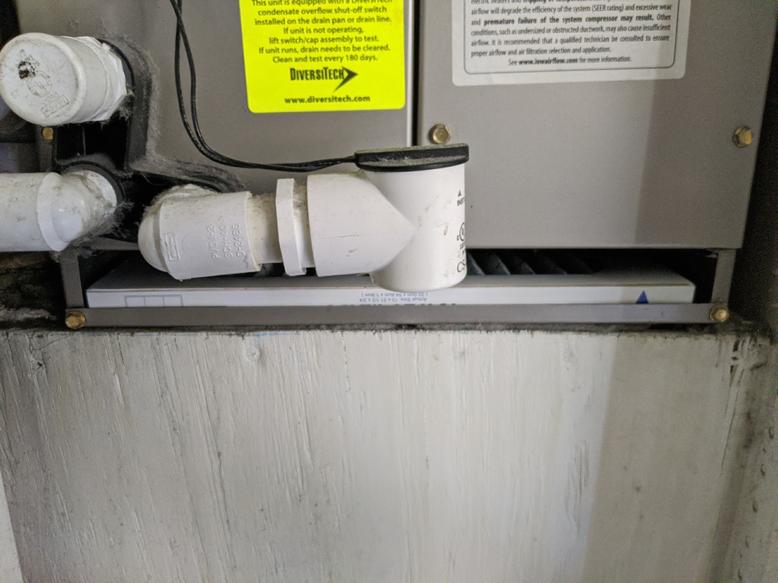
AC units remove humidity but can also contribute moisture if drain lines clog or condensation builds up.
Limited ventilation in enclosed areas
Closets, bathrooms, and attics may trap moisture if airflow is restricted.
Because these conditions are typical in Lighthouse Point, mold testing is often part of routine inspections after leaks or flooding.
Common Causes of Mold Growth
Understanding the causes of mold helps property owners prevent future problems.
Frequent causes include:
- Plumbing leaks
- Roof leaks or storm damage
- Flooding or water intrusion
- AC condensation problems
- Poor ventilation in humid areas
- Damp carpets or insulation
Addressing the source of moisture is essential, because mold cannot grow without water.
Early Signs That Mold Testing May Be Needed
Mold often develops gradually, and the early signs may be subtle.
Homeowners commonly notice:
- Musty or damp odors
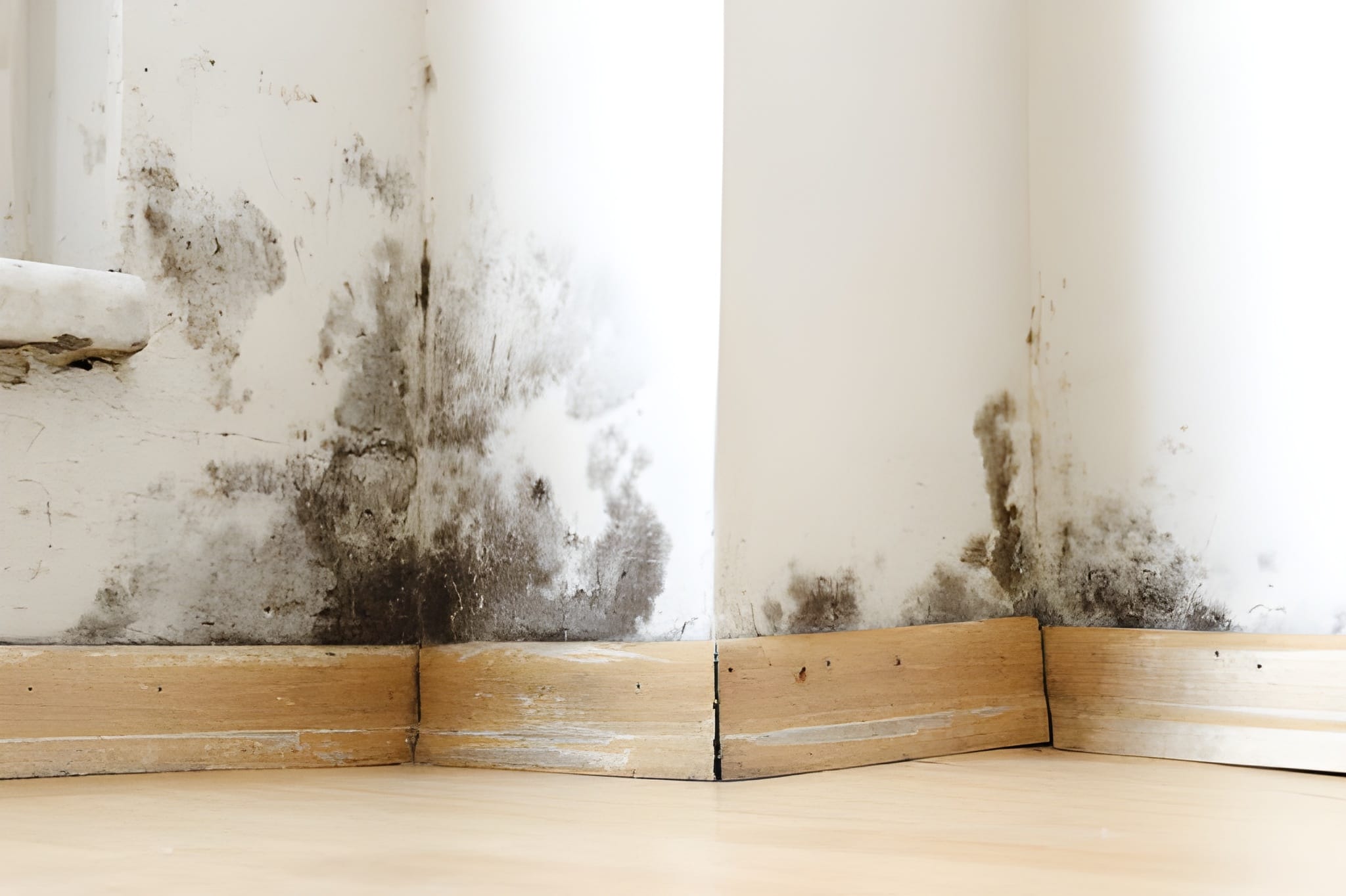
- Small stains or discoloration on walls or ceilings
- Peeling paint or bubbling drywall
- Increased indoor humidity
- Persistent irritation related to indoor air conditions
These signs do not always confirm mold, but they usually indicate excess moisture that should be investigated.
How Mold Testing Works
Professional mold testing follows a structured process to provide accurate information.
The process often includes:
- Visual inspection of the property
- Moisture meter readings to locate damp materials
- Thermal imaging to detect hidden moisture
- Air or surface sampling when needed
- Evaluation of HVAC systems and ventilation
Testing results help determine whether mold levels are normal or elevated and guide the next steps.
Companies such as Pompano Mold Inspection and Testing often combine mold testing with moisture detection and inspection services to provide a complete assessment.
Understanding the Costs of Mold Testing
The cost of mold testing can vary depending on several factors. While prices differ between properties, the main factors that influence cost include:
- Size of the home
- Number of samples collected
- Accessibility of areas being tested
- Extent of moisture or suspected contamination
- Whether additional inspections or moisture detection are required
Smaller inspections generally require fewer samples, while larger homes or properties with multiple affected areas may require more extensive testing.
Routine inspections often cost less than testing after major water damage, since the scope of work is smaller.
Why DIY Mold Test Kits Can Be Misleading
Home test kits are widely available, but they often provide limited or confusing results. Mold spores are naturally present in the air, so these kits may detect mold even when there is no indoor problem.
DIY kits often cannot determine:
- The source of moisture
- The extent of mold growth
- Hidden mold inside walls or ducts
- Whether mold levels are elevated compared to normal conditions
Professional testing focuses on interpreting results in context, which helps avoid unnecessary repairs or overlooked problems.
Solutions After Mold Testing
If testing confirms mold or moisture issues, several steps may be recommended depending on the situation.
Solutions may include:
- Improving ventilation
- Repairing plumbing or roof leaks
- Drying affected materials
- Cleaning or removing contaminated materials
- Addressing HVAC or duct moisture problems
The most effective solutions always involve correcting the moisture source, not just cleaning visible mold.
Water Damage and Mold Risk
Water intrusion is one of the most common causes of mold in Lighthouse Point homes. Plumbing leaks, roof damage, or flooding can introduce moisture that supports mold growth.
After any water event, it is important to:
- Remove water promptly
- Dry affected areas thoroughly
- Monitor humidity levels
- Inspect hidden areas for moisture
Early drying significantly reduces the risk of mold developing.
HVAC Systems, Air Ducts, and Mold Testing
HVAC systems play a major role in indoor air quality. Moisture inside ducts or air handlers can contribute to mold growth or odors.
During mold testing, inspectors often:
- Check ducts for moisture
- Inspect condensate drain lines
- Evaluate airflow and humidity levels
Regular maintenance helps prevent moisture buildup and supports healthier indoor air.
Practical Tips to Prevent Mold in Lighthouse Point Homes
Property owners can reduce the likelihood of mold growth by following a few simple steps.
Maintain indoor humidity levels
Keeping humidity between 40% and 55% helps limit mold growth.
Repair leaks quickly
Small plumbing or roof leaks should be addressed promptly.
Ensure proper ventilation
Bathrooms, kitchens, and laundry areas should have working exhaust fans.
Inspect AC systems regularly
Condensate drain lines and drip pans should be checked periodically.
Schedule periodic inspections
Routine moisture and mold inspections help detect issues early.
These preventive measures often reduce the likelihood of major mold problems.
Why Local Experience Matters
Mold testing in Lighthouse Point requires an understanding of coastal climate conditions and building materials. Homes in nearby areas such as Pompano Beach, Deerfield Beach, Margate, Coconut Creek, North Lauderdale, Lauderdale-by-the-Sea, and Fort Lauderdale face similar environmental challenges.
Professionals familiar with Broward County homes understand:
- Seasonal humidity patterns
- Typical moisture entry points
- Effective drying and inspection methods
- Construction styles common in the area
Local experience helps ensure testing results are accurate and meaningful.
A Practical Next Step for Property Owners
Mold concerns can be stressful, but testing provides clarity and helps property owners make informed decisions. If you notice odors, stains, or signs of moisture, scheduling a mold inspection and testing can identify the cause and prevent larger problems.
In Lighthouse Point’s humid coastal climate, early testing and moisture control are some of the most effective ways to protect a home and maintain healthy indoor conditions.