
Understanding Mold Testing in Lighthouse Point: Risks and Prevention Methods
Living in Lighthouse Point and nearby Broward County communities has its advantages—coastal breezes, beautiful neighborhoods, and warm weather year-round. But that same humidity and heat also create ideal conditions for mold growth, especially in homes affected by roof leaks, plumbing issues, AC condensation, or flooding.
Many homeowners first notice mold when they see stains or smell musty odors. But mold often grows out of sight—inside walls, under flooring, or in HVAC systems. That’s where professional mold testing becomes important.
This guide explains how mold testing works, the risks mold can pose, and practical prevention methods for homes in Lighthouse Point, Pompano Beach, Deerfield Beach, and surrounding areas.
⸻
Why Mold Is Common in Lighthouse Point Homes
South Florida’s climate naturally encourages mold growth. Mold spores are always present in the air, but they only become a problem when moisture is introduced.
Common causes include:
• High indoor humidity
• Air conditioning condensation
• Roof leaks after storms
• Plumbing leaks
• Flooding or water intrusion
• Poor ventilation in bathrooms and kitchens
Even small moisture problems can allow mold to develop within 24–48 hours.
Older homes in Lighthouse Point may have aging plumbing or roofing, while newer homes can still experience mold due to tight construction and limited airflow.
⸻
What Mold Testing Actually Involves
Many people assume mold testing simply means looking for visible growth, but professional testing is more detailed.
1. Visual Inspection
The process usually begins with a thorough inspection of:
• Walls and ceilings
• HVAC vents and ducts
• Attics and crawl spaces
• Bathrooms and kitchens
• Around windows and doors
Inspectors also look for moisture sources, which are often the real cause of mold problems.
⸻
2. Moisture Detection
Moisture meters and thermal imaging tools help locate:
• Hidden leaks
• Damp drywall
• Wet insulation
• Condensation behind walls
This step is critical because mold cannot grow without moisture.
⸻
3. Air Sampling
Air samples measure the number and types of mold spores present indoors compared to outdoor levels.
This helps determine:
• Whether mold levels are elevated
• Whether hidden mold may be present
• Whether indoor air quality is affected
Air testing is especially useful when:
• There is a persistent musty odor
• Family members have allergy symptoms
• Mold is suspected but not visible
⸻
4. Surface Sampling
Surface samples may be collected from:
• Walls
• Baseboards
• Furniture
• HVAC components
These samples are analyzed in a laboratory to identify mold species and concentration levels.
⸻
Health Risks Associated With Mold Exposure
Not everyone reacts to mold the same way, but exposure can cause symptoms, particularly for sensitive individuals.
Possible effects include:
• Sneezing and nasal congestion
• Eye irritation
• Skin irritation
• Headaches
• Coughing or throat irritation
People who may be more sensitive include:
• Children
• Elderly individuals
• People with asthma
• Individuals with allergies
Long-term exposure to elevated mold levels can worsen respiratory conditions, which is why early detection matters.
⸻
Property Risks Mold Can Cause
Mold is not just a health issue—it can also damage property.
Mold may:
• Weaken drywall
• Damage wood framing
• Ruin insulation
• Cause flooring deterioration
• Affect HVAC systems
If mold spreads unchecked, remediation becomes more extensive and costly.
Early testing helps catch problems before major damage occurs.
⸻
Signs That Mold Testing May Be Needed
Homeowners in Lighthouse Point should consider testing if they notice:
• Musty or earthy odors
• Recent flooding or leaks
• Water stains on ceilings or walls
• Visible mold growth
• Increased allergy symptoms indoors
• Past mold problems in the home
Testing is also common during:
• Real estate transactions
• Rental property inspections
• Post-remediation verification
⸻
Prevention Methods That Work in Coastal Florida
While mold testing identifies problems, prevention is always the best long-term strategy.
Control Indoor Humidity
Indoor humidity should ideally remain between 40% and 55%.
Ways to control humidity:
• Use dehumidifiers if needed
• Run air conditioning regularly
• Use exhaust fans in bathrooms and kitchens
⸻
Address Leaks Immediately
Even small leaks can lead to mold.
Check regularly:
• Under sinks
• Around water heaters
• Behind washing machines
• Around windows and doors
Prompt repairs prevent mold from developing.
⸻
Maintain HVAC Systems
Air conditioning systems are one of the most common moisture sources in Florida homes.
Important steps:
• Replace filters regularly
• Keep drain lines clear
• Schedule periodic maintenance
• Clean air ducts when needed
A well-maintained HVAC system helps control both moisture and air quality.
⸻
Improve Ventilation
Poor airflow allows moisture to accumulate.
Simple improvements include:
• Using bathroom exhaust fans
• Opening windows when weather permits
• Ensuring attic ventilation is adequate
Ventilation reduces condensation and humidity buildup.
⸻
Dry Wet Areas Quickly
After water intrusion:
• Remove standing water immediately
• Use fans and dehumidifiers
• Dry affected materials within 24–48 hours
The faster materials dry, the lower the mold risk.
⸻
Mold Testing for Real Estate Transactions
In Lighthouse Point and nearby cities like Pompano Beach, Lauderdale-by-the-Sea, and Deerfield Beach, mold testing is often part of home inspections.
Buyers may request testing to:
• Ensure indoor air quality is safe
• Identify hidden moisture problems
• Avoid unexpected remediation costs
Sellers sometimes test proactively to prevent delays during closing.
⸻
How Often Should Mold Testing Be Done?
Routine testing is not always necessary for every home. However, testing is recommended when:
• A home has experienced flooding
• Persistent humidity problems exist
• Musty odors are present
• A property has been vacant for long periods
• Mold was previously removed
Preventive inspections every few years can also provide peace of mind in humid climates.
⸻
The Importance of Identifying the Moisture Source
One of the most important aspects of mold testing is identifying why mold is present, not just confirming that it exists.
If moisture problems are not corrected:
• Mold may return
• Air quality may decline again
• Repairs may become more expensive
Testing helps pinpoint both the mold and the cause.
⸻
Final Thoughts
Mold testing plays a critical role in protecting both health and property in Lighthouse Point homes. With Florida’s humidity, storms, and coastal climate, mold issues are not uncommon—but they are manageable when addressed early.
Understanding the testing process, recognizing warning signs, and taking preventive steps can significantly reduce the risk of mold growth.
Regular maintenance, moisture control, and prompt response to leaks go a long way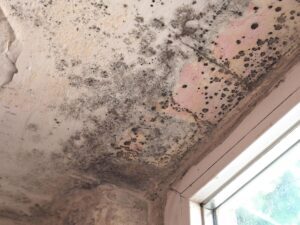 toward keeping homes in Lighthouse Point and surrounding Broward County communities safe, dry, and healthy for years to come.
⸻
If you want, I can also create 50 SEO titles related to mold testing in Lighthouse Point to help you rank faster locally.
