Understanding Mold Testing in Lighthouse Point: Risks and Prevention Methods
Mold growth is a common concern for homeowners in Lighthouse Point. The combination of coastal humidity, frequent rain, and year-round air-conditioning creates an environment where moisture can easily accumulate inside homes. When moisture remains unnoticed, mold often develops in hidden areas long before visible signs appear.
Mold testing plays an important role in identifying contamination, understanding the level of exposure, and guiding proper solutions. Knowing the risks associated with mold and learning effective prevention methods can help homeowners protect their property and maintain a healthier indoor environment.
What Mold Testing Really Means
Mold testing is the process of evaluating indoor environments to determine whether mold is present and at what levels. Testing is often recommended when:
- Musty odors are present
- Mold is suspected but not visible
- Water damage has occurred
- Indoor air quality concerns arise
- A property is being prepared for sale or rental
Testing may involve air samples, surface samples, or moisture readings to identify mold conditions accurately.
Why Mold Problems Are Common in Lighthouse Point
Homes in Lighthouse Point, as well as nearby areas like Pompano Beach, Deerfield Beach, Margate, Coconut Creek, and Fort Lauderdale, are especially vulnerable to mold growth due to local environmental conditions.
Some of the most common contributing factors include:
- High year-round humidity
- Heavy seasonal storms and rain
- Coastal air that slows drying
- Air-conditioning systems producing condensation
- Limited ventilation in some older homes
Even minor leaks or condensation issues can create conditions that allow mold to grow quickly.
The Risks Associated With Mold Growth
Mold does more than cause surface staining. When left untreated, it can create a range of problems inside a home.
Common risks include:
Structural Damage
Mold feeds on organic materials such as drywall, wood, and insulation. Over time, this can weaken building materials.
Persistent Odors
Musty smells often become stronger as mold spreads, especially in enclosed areas like closets or attics.
Indoor Air Quality Problems
Mold spores can circulate through the air, especially if growth occurs in ductwork or near air returns.
Increased Repair Costs
The longer mold is allowed to grow, the more materials may need to be removed and replaced.
Early detection through testing helps reduce these risks.
Common Causes of Mold That Testing Often Reveals
Mold testing frequently identifies hidden moisture problems that homeowners were unaware of.
Common causes include:
Roof Leaks
Water entering through roofing materials often spreads into insulation and ceilings before becoming visible.
Plumbing Leaks
Slow leaks under sinks or behind walls can create damp conditions for extended periods.
AC Condensation
Clogged drain lines or poorly insulated ducts frequently lead to moisture buildup.
Flooding or Stormwater Intrusion
Heavy rain can force water into homes through windows, doors, or foundation gaps.
Poor Ventilation
Bathrooms, laundry rooms, and kitchens without adequate airflow allow humidity to accumulate.
Testing helps confirm whether these conditions have already led to mold growth.
Warning Signs That Mold Testing May Be Needed
Many homeowners wait until mold is visible before seeking testing, but earlier signs often appear first.
These warning signs include:
- Persistent musty odors
- Peeling paint or bubbling drywall
- Warped baseboards
- Increased indoor humidity
- Dark spots on ceilings or walls
- Allergy-like irritation indoors
These symptoms often indicate hidden moisture or mold that requires evaluation.
Where Mold Often Hides in Homes
Mold rarely grows only on visible surfaces. During inspections in Lighthouse Point homes, mold is frequently found in hidden areas.
These areas may include:
- Inside wall cavities
- Under laminate or vinyl flooring
- Beneath carpet padding
- Inside air ducts and vents
- Around attic duct connections
- Behind cabinets and appliances
Because these locations are concealed, mold may spread before homeowners notice a problem.
How Professional Mold Testing Works
Professional mold testing involves several steps designed to provide accurate information.
Visual Inspection
Inspectors examine areas prone to moisture, including attics, HVAC systems, and exterior walls.
Moisture Detection
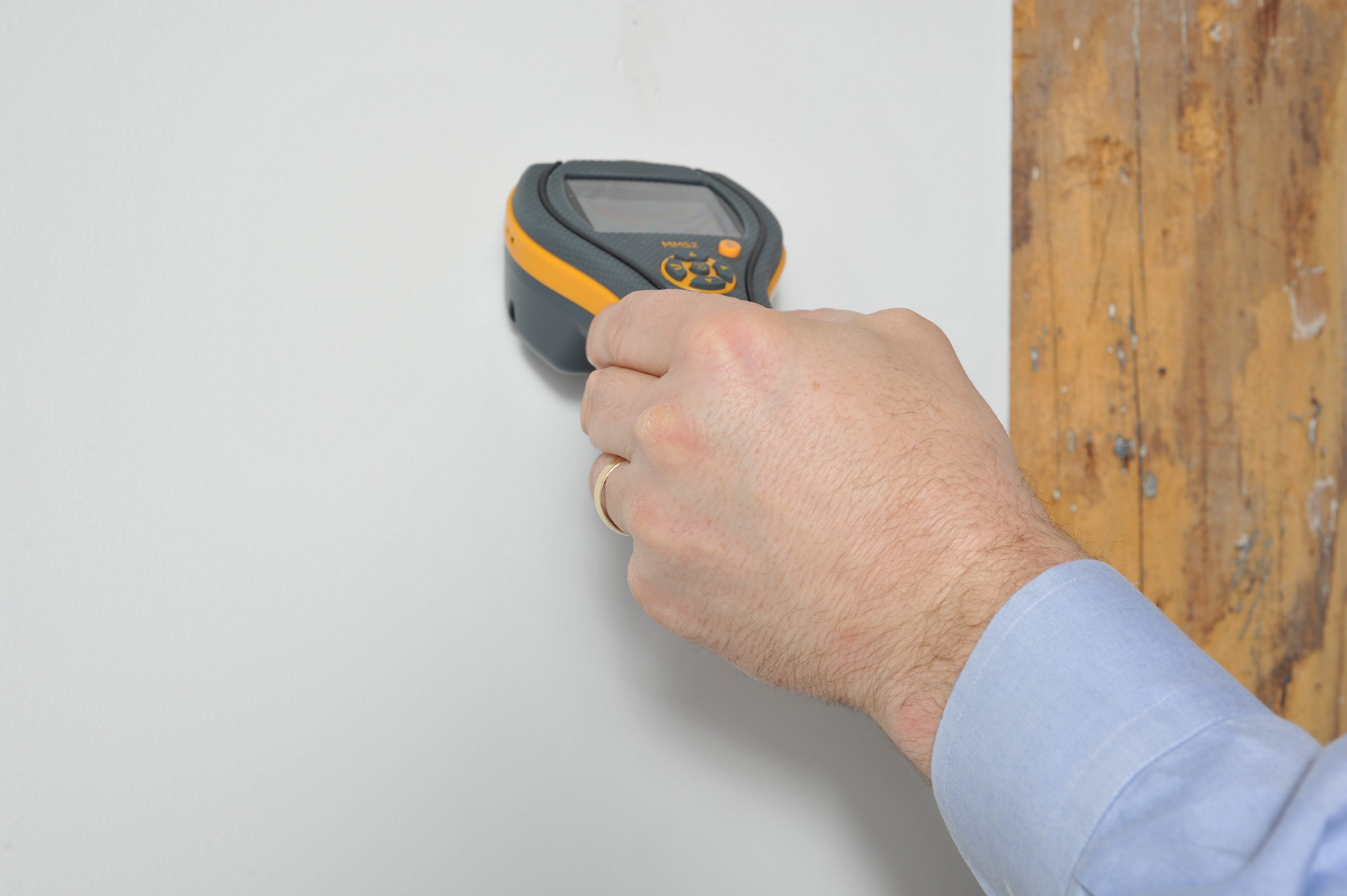
Moisture meters and thermal imaging are used to locate hidden water sources that contribute to mold growth.
Air Sampling
Air samples measure the concentration of mold spores indoors and compare them to outdoor levels.
Surface Sampling
When visible growth is present, samples help confirm the type of mold and guide remediation.
Companies such as Pompano Mold Inspection and Testing often perform these procedures to ensure mold problems are accurately identified.
Why DIY Mold Testing Can Be Misleading
Homeowners sometimes use store-bought mold test kits. While these kits may detect mold spores, they often lack the accuracy needed to interpret results properly.
DIY testing may be misleading because:
- Mold spores exist naturally in most environments
- Kits cannot identify moisture sources
- Results may not reflect the extent of contamination
- Hidden mold may remain undetected
Professional testing provides more reliable information and helps determine appropriate next steps.
The Connection Between Moisture and Mold
Moisture is the single most important factor in mold growth. Without moisture, mold cannot develop.
In Lighthouse Point homes, moisture commonly originates from:
- AC condensation
- Roof leaks
- Plumbing leaks
- Flooding or heavy rain
- High indoor humidity
Addressing moisture quickly is the most effective way to prevent mold problems.
Prevention Methods That Really Work
Preventing mold often requires consistent maintenance and moisture control.
Homeowners can reduce risk by:
- Keeping indoor humidity below 60 percent
- Cleaning AC drain lines regularly
- Using exhaust fans in bathrooms and kitchens
- Inspecting roofs after storms
- Repairing leaks immediately
- Scheduling periodic moisture inspections
Installing a humidity monitor indoors is a simple but effective way to detect problems early.
Air Ducts and HVAC Systems as Mold Sources
Air-conditioning systems play a major role in indoor air quality. When ducts or air handlers become damp, mold can develop and spread through the home.
Common HVAC-related issues include:
- Dirty or clogged coils
- Condensation inside ducts
- Poor airflow
- Clogged drain lines
Regular inspection and cleaning help prevent these problems and maintain proper humidity levels.
Why Local Experience Matters
Mold testing in coastal South Florida requires an understanding of local climate conditions, construction styles, and moisture patterns.
Professionals who regularly work in Lighthouse Point, Margate, Deerfield Beach, and Pompano Beach understand:
- How humidity affects building materials
- Where moisture commonly accumulates
- Seasonal storm impacts
- Effective drying and prevention strategies
This experience helps ensure testing is accurate and solutions are effective.
Taking a Practical Approach to Mold Prevention
Mold problems often begin quietly, but early detection makes them much easier to resolve. Paying attention to humidity levels, odors, and small leaks can prevent larger issues from developing.
If warning signs appear, scheduling a professional inspection can provide clear answers and practical solutions. Pompano Mold Inspection and Testing is familiar with the types of mold conditions commonly found in Lighthouse Point homes, and early evaluation often prevents more extensive damage.
Maintaining proper ventilation, controlling humidity, and addressing moisture promptly are the most effective ways to prevent mold and protect homes in a coastal environment.