
Understanding the Process: AC Moisture Repair in Margate after Heavy Rain
Heavy rain is a regular part of life in Margate, especially during Florida’s storm season. While most homeowners expect issues like roof leaks or exterior water intrusion, many are surprised to learn that air conditioning systems are one of the most common sources of moisture problems after heavy rain. AC moisture issues often develop quietly and can lead to mold growth, ceiling damage, and indoor air quality problems if not addressed properly. Understanding how AC moisture problems occur and how the repair process works helps Margate homeowners take the right steps before damage spreads.
In South Florida’s humid climate, air conditioning systems work harder and longer than in most parts of the country. After heavy rain, the risk of moisture-related AC issues increases significantly, making early inspection and repair especially important.
How Heavy Rain Triggers AC Moisture Problems
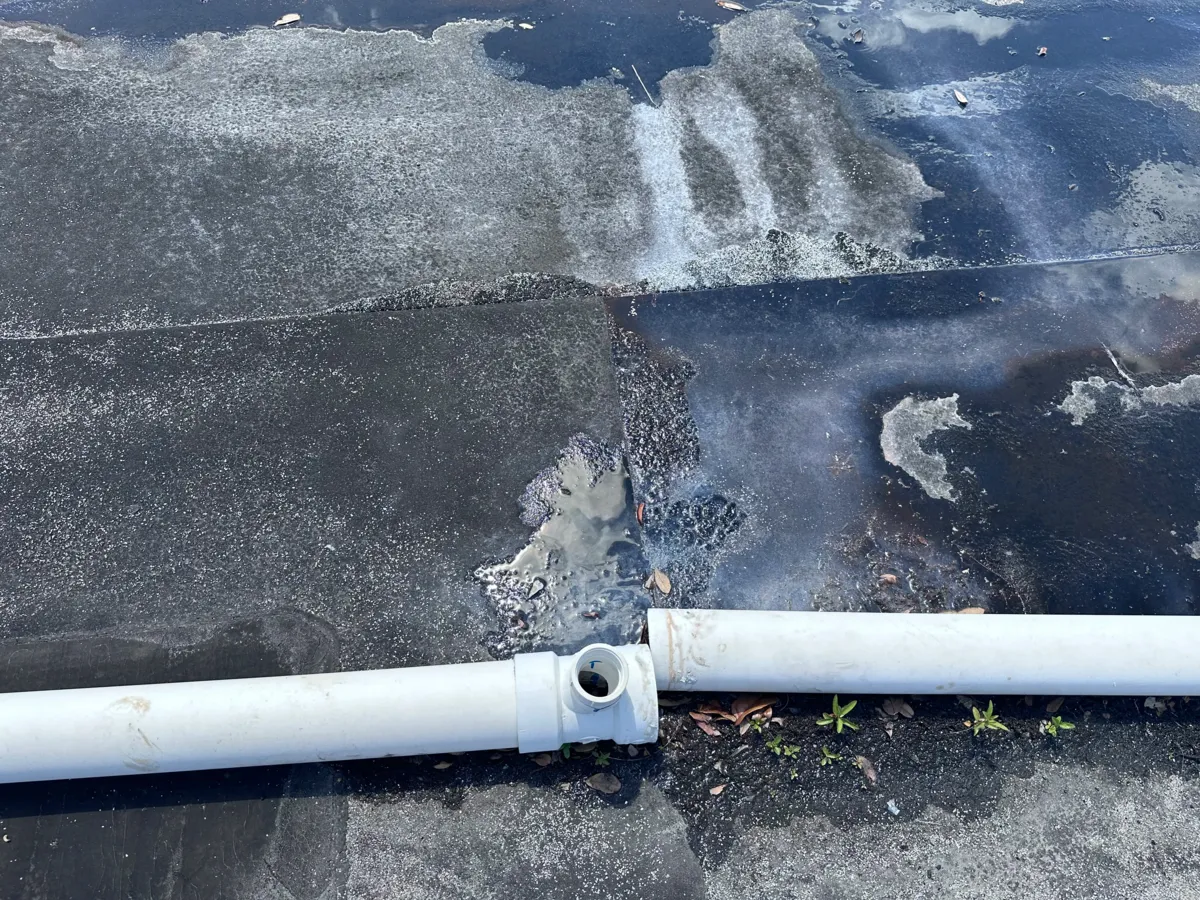
Heavy rain affects AC systems in several ways. Saturated ground and high humidity increase the amount of moisture the system must manage. When AC units remove humidity from indoor air, that moisture is supposed to drain safely through the condensate line. After heavy rain, drain lines can become clogged with debris, algae, or sediment, causing water to back up.
Wind-driven rain can also affect outdoor components and attic spaces where AC equipment or ductwork is located. If insulation becomes damp or drain pans overflow, moisture can spread into ceilings and walls. These issues often begin during or shortly after storms, even when there is no obvious roof leak.
Why AC Moisture Issues Are Common in Margate
Margate homes face a combination of high humidity, frequent storms, and constant AC use. During rainy periods, outdoor humidity remains high even when temperatures drop slightly. This forces AC systems to work harder to remove moisture from indoor air.
Many homes in Margate, as well as nearby areas like Coconut Creek, North Lauderdale, and Pompano Beach, have attic-based air handlers. When moisture issues occur in these systems, water often leaks downward into ceilings and wall cavities. Slab foundations common in Broward County also limit natural moisture escape, making indoor moisture problems more persistent.
Aging AC systems, poorly maintained drain lines, and damaged duct insulation further increase the risk of moisture problems after heavy rain.
Early Warning Signs of AC Moisture Problems
AC moisture issues do not always announce themselves clearly. One of the first signs homeowners notice is water staining on ceilings or around AC vents. Musty odors, especially when the AC is running, can also indicate moisture buildup.
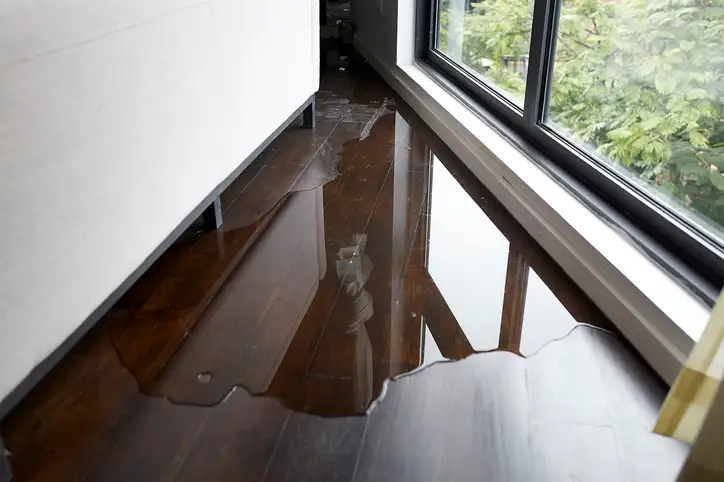
Other warning signs include dripping from vents, bubbling paint, sagging drywall, or increased indoor humidity despite the AC running regularly. In some cases, homeowners notice water collecting in drip pans or around the air handler. These symptoms often mean moisture is escaping where it should not.
Hidden Damage Caused by AC Moisture
Some of the most serious damage from AC moisture happens out of sight. Condensation leaks inside ceilings can soak insulation and drywall without immediate visible signs. Over time, this trapped moisture weakens materials and creates ideal conditions for mold growth.
Air ducts are another hidden risk area. Condensation inside ducts or on poorly insulated duct surfaces can introduce moisture into the air system, spreading damp air and mold particles throughout the home. Attics with limited ventilation allow moisture to linger even longer after storms.
Why Ignoring AC Moisture after Heavy Rain Is Risky
AC moisture problems rarely resolve on their own. Once water begins leaking or accumulating, it tends to continue until the underlying issue is fixed. Ignoring early signs often leads to more extensive damage, including mold growth, ceiling collapse, or damage to structural components.
In Margate’s humid environment, moisture trapped inside walls and ceilings dries very slowly. Even small leaks can cause widespread problems if left unaddressed after heavy rain.
Professional AC Moisture Inspection Explained
Effective AC moisture repair begins with inspection. A professional inspection focuses on identifying where moisture is coming from and how it is spreading. This includes checking condensate drain lines, drain pans, coils, air handlers, and ductwork.
Moisture detection tools are often used to locate damp areas inside ceilings, walls, and insulation without unnecessary demolition. In Margate homes, inspections commonly include attic spaces, return air pathways, and areas around vents where condensation issues are most likely to appear.
AC Moisture Repair Process Step by Step
Once the source of moisture is identified, repairs can begin. Clearing clogged condensate drain lines is often the first step. This restores proper drainage and prevents further water backup.
Damaged or rusted drain pans may need to be repaired or replaced. If insulation around ducts or air handlers is saturated, it may need to be removed and replaced to prevent ongoing moisture problems. Sealing duct leaks and improving insulation help reduce future condensation.
After repairs, affected areas are dried thoroughly. Drying is essential to prevent mold growth and material deterioration. Moisture levels are monitored to ensure materials return to safe conditions.
Connection Between AC Moisture and Mold Growth
AC moisture problems and mold growth are closely linked. Mold requires moisture to grow, and AC-related leaks provide a consistent source. Mold often develops in ceilings, wall cavities, or duct systems where moisture remains hidden.
Mold inspection and testing may be recommended if moisture exposure was prolonged or if odors persist. Addressing mold early prevents further spread and protects indoor air quality.
Water Damage Repair Related to AC Moisture
In some cases, AC moisture issues lead to water damage that requires repair beyond the AC system itself. Saturated drywall, insulation, or ceiling materials may need to be removed and replaced. Baseboards and flooring can also be affected if moisture spreads downward.
Water damage repair focuses on restoring affected areas while ensuring moisture issues are fully resolved. Repairs completed before moisture is controlled often fail over time.
Preventing Future AC Moisture Problems in Margate
Prevention starts with regular AC maintenance. Keeping drain lines clear, inspecting drain pans, and ensuring proper airflow reduce the risk of moisture buildup. Routine inspections before and during the rainy season are especially helpful.
After heavy rain, checking around vents, ceilings, and AC components for signs of moisture allows problems to be addressed early. Improving attic ventilation and duct insulation also helps reduce condensation risks.
Why Local Experience Matters
AC moisture repair in Margate requires an understanding of local conditions. Florida’s humidity, rainfall patterns, and construction styles all influence how AC systems behave after storms. Local experience helps identify common problem areas and apply solutions that work in Broward County homes.
Pompano Mold Inspection and Testing brings that local expertise to AC moisture repair, moisture detection, mold inspection, and water-related services throughout Margate, Coconut Creek, North Lauderdale, Pompano Beach, Fort Lauderdale, and surrounding communities.
A Clear Path after Heavy Rain
AC moisture problems after heavy rain are common, but they don’t have to lead to lasting damage. Understanding the repair process helps homeowners respond quickly and effectively. With proper inspection, targeted repairs, and thorough drying, Margate homes can recover from storm-related AC moisture issues and remain protected through future rainy seasons.
