Moisture detection is a critical component of building maintenance for commercial properties in Fort Lauderdale. The combination of high humidity, frequent rainfall, and aging infrastructure can create hidden moisture problems that, if left unchecked, lead to structural damage, mold growth, and indoor air quality issues. For property managers and business owners, early identification of moisture ensures safe, healthy, and resilient commercial spaces.
For commercial buildings in Fort Lauderdale and surrounding areas including Pompano Beach, Deerfield Beach, Lighthouse Point, Margate, Coconut Creek, North Lauderdale, and Lauderdale-by-the-Sea, professional moisture detection is essential to prevent costly repairs and maintain tenant satisfaction.
What Moisture Detection Is
Moisture detection is the process of identifying the presence of excess water or high humidity within building materials before visible damage occurs. In commercial properties, this can include walls, ceilings, flooring, and HVAC systems. Professionals utilize advanced tools such as:
- Moisture meters – Measure water content in wood, drywall, concrete, and flooring materials.
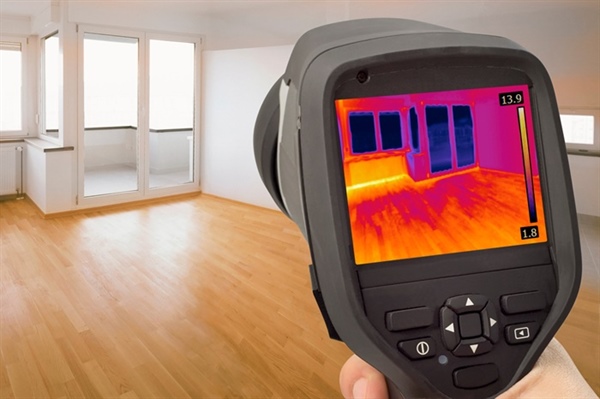
- Infrared thermal imaging – Detects hidden damp spots behind walls, ceilings, and flooring.
- Humidity sensors – Monitor relative humidity levels throughout the building.
- Acoustic or leak detection devices – Identify water flow or pipe leaks within walls or infrastructure.
These tools allow precise detection of moisture that may otherwise go unnoticed until significant damage occurs.
Why Moisture Detection Matters in Commercial Buildings
Commercial properties face unique risks from moisture:
- Water intrusion from roof leaks, plumbing failures, or storm events
- HVAC condensation leading to hidden damp spots in ducts
- High occupant density creating humidity fluctuations
- Materials such as drywall, carpets, and ceiling tiles absorbing moisture
If left undetected, moisture can result in structural deterioration, mold growth, corrosion of building systems, and compromised indoor air quality, affecting both employees and customers.
Common Signs of Moisture Issues in Commercial Spaces
Building managers may notice indicators that require professional moisture detection:
- Persistent musty odors in offices or storage areas
- Water stains or discoloration on walls, ceilings, or flooring
- Peeling paint or warped surfaces
- Soft or sagging flooring or ceiling tiles
- Increased HVAC energy consumption due to damp air
- Mold growth in corners, behind panels, or inside ductwork
Early detection prevents minor issues from developing into extensive repairs or health hazards.
Hidden Moisture Sources in Fort Lauderdale Commercial Buildings
Moisture often accumulates in areas not visible to the naked eye:
- Behind drywall and ceiling panels
- Under carpet or tile flooring
- Inside wall cavities and service chases
- In HVAC ductwork, drip pans, and air handlers
- Near plumbing lines, water heaters, or roof penetrations
Professional moisture detection ensures that these hidden risks are identified and addressed effectively.
Professional Moisture Detection Process
The standard process for moisture detection in commercial buildings includes:
- Initial Inspection – Assess visible water damage, leaks, or mold indicators.
- Moisture Meter Testing – Measure moisture levels in critical building materials.
- Infrared or Thermal Imaging – Locate hidden damp areas in walls, ceilings, or flooring.
- HVAC and Plumbing Evaluation – Detect condensation or leaks affecting building systems.
- Reporting and Recommendations – Provide a detailed assessment and guidance for remediation, repairs, or preventive measures.
Companies like Pompano Mold Inspection and Testing offer commercial services tailored to Fort Lauderdale buildings, ensuring accurate detection and practical solutions.
Benefits of Professional Moisture Detection
Engaging professionals for moisture detection provides multiple advantages:
- Early identification of hidden water intrusion before structural damage occurs
- Prevention of mold growth and associated indoor air quality issues
- Targeted repair plans that reduce downtime and repair costs
- Enhanced safety and comfort for employees, tenants, and customers
- Long-term protection of building assets and investment
Proactive moisture detection is an essential component of property management in South Florida’s humid climate.
Preventive Measures for Commercial Buildings
To minimize moisture-related risks, Fort Lauderdale property managers can implement:
- Regular roof inspections and maintenance to prevent leaks
- Proper HVAC maintenance and condensation control
- Gutter and drainage system cleaning to ensure effective water runoff
- Sealing of windows, doors, and foundation cracks
- Monitoring humidity levels and installing dehumidification systems where needed
- Routine moisture inspections, especially after storms or plumbing repairs
These measures help maintain a safe, dry, and healthy environment in commercial spaces.
Why Local Expertise Matters
Moisture behavior in Fort Lauderdale commercial buildings is influenced by local rainfall patterns, humidity, coastal winds, and construction materials. Professionals familiar with Fort Lauderdale, Pompano Beach, Deerfield Beach, Lighthouse Point, Margate, Coconut Creek, North Lauderdale, and Lauderdale-by-the-Sea know the areas most vulnerable to moisture issues and the most effective detection and mitigation strategies.
Local expertise ensures inspections and solutions are tailored to South Florida’s environmental challenges and building types.
A Calm, Practical Next Step for Property Managers
Professional moisture detection is essential to protect commercial buildings in Fort Lauderdale from structural damage, mold growth, and indoor air quality issues. Early detection allows targeted remediation, prevents costly repairs, and ensures a safe environment for employees, tenants, and visitors.
Partnering with a trusted local provider like Pompano Mold Inspection and Testing ensures that Fort Lauderdale commercial properties are thoroughly inspected, moisture issues are accurately identified, and long-term preventive measures are implemented.