
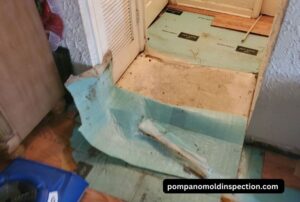
 Understanding the Process: Water Damage Repair in Fort Lauderdale after Plumbing Leaks
Water damage in residential or commercial buildings is one of the most common and costly issues faced by homeowners and property managers in Fort Lauderdale. Plumbing leaks, whether minor or severe, can result in significant structural damage, mold growth, and indoor air quality problems if not addressed promptly. Understanding the water damage repair process is essential for minimizing loss and protecting property value.
This article explores the step-by-step process of water damage repair following plumbing leaks, common risks, and preventive strategies for Fort Lauderdale homeowners.
The Impact of Plumbing Leaks
Plumbing leaks may seem minor initially, but even a small, persistent leak can cause serious damage over time. Common sources include:
- Leaking pipes behind walls or under flooring
- Faulty faucets, toilets, or showers
- Water heater malfunctions
- Appliance leaks from dishwashers, washing machines, or refrigerators
The effects of water leaks include:
- Structural Damage: Water can weaken wood, drywall, flooring, and ceilings.
- Mold Growth: Moisture accumulation leads to mold proliferation, which can develop within 24–48 hours.
- Electrical Hazards: Water contacting electrical wiring or outlets poses safety risks.
- Property Damage: Carpets, furniture, and personal belongings can be irreversibly damaged.
Immediate action is crucial to prevent long-term consequences.
Step-by-Step Water Damage Repair Process
Professional water damage repair is a structured process designed to restore the property safely and efficiently.
Step 1: Assessment and Inspection
The first step involves assessing the extent of water damage. Professionals:
- Identify the source of the leak and shut it off to prevent further damage.
- Inspect affected areas, including walls, floors, ceilings, and HVAC systems.
- Use moisture meters, thermal imaging, and hygrometers to detect hidden moisture.
Proper assessment helps determine the severity of the damage and guides the restoration plan.
Step 2: Water Extraction
Removing standing water is critical to prevent mold growth and structural damage.
- Pumps and Wet Vacuums: Professionals use industrial-grade pumps and vacuums to extract water from floors, carpets, and crawl spaces.
- Rapid Removal: Quick water extraction reduces saturation of building materials and lowers the risk of further damage.
Step 3: Drying and Dehumidification
After water removal, drying the affected areas is essential:
- Air Movers and Fans: Enhance airflow and accelerate evaporation.
- Dehumidifiers: Reduce indoor humidity to safe levels (usually 40–50%).
- Monitoring Moisture Levels: Professionals regularly check moisture levels in walls, flooring, and structural elements to ensure complete drying.
Proper drying prevents secondary damage such as warping, delamination, and mold growth.
Step 4: Cleaning and Sanitizing
Water from plumbing leaks can carry bacteria and contaminants. Cleaning and disinfecting affected areas is critical:
- Antimicrobial Treatments: Applied to walls, flooring, and other surfaces to prevent mold and bacterial growth.
- Surface Cleaning: Carpets, tiles, and other salvageable materials are cleaned thoroughly.
- Odor Removal: Special equipment may be used to eliminate musty smells caused by water damage.
Step 5: Mold Prevention
Mold can develop quickly in moist environments, making preventive measures essential:
- Inspection for Early Signs of Mold: Walls, ceilings, and hidden areas are checked for microbial growth.
- HEPA Air Filtration: Air scrubbers remove airborne spores.
- Antifungal Coatings: Applied to surfaces prone to moisture retention.
Preventing mold at this stage ensures long-term safety and air quality.
Step 6: Structural Repairs and Restoration
Once the home is dry and sanitized, structural repairs are completed:
- Drywall and Insulation Replacement: Damaged or saturated materials are removed and replaced.
- Flooring Repair: Hardwood, laminate, or tile flooring may need refinishing or replacement.
- Painting and Finishing: Walls and ceilings are restored to pre-damage condition.
- HVAC and Plumbing Checks: Systems are inspected to ensure no lingering water issues remain.
Restoration ensures that the property is safe, functional, and aesthetically restored.
Health and Safety Considerations
Water damage repair is not just about aesthetics—health is a major concern:
- Mold and Allergen Control: Preventing mold reduces respiratory issues and allergic reactions.
- Safe Air Quality: Proper drying and cleaning maintain indoor air safety.
- Electrical Safety: Professional technicians ensure water does not create electrical hazards.
Ignoring water damage can lead to serious health problems, especially for children, elderly residents, and those with compromised immune systems.
Common Challenges in Fort Lauderdale Homes
Fort Lauderdale’s climate and building styles present unique challenges:
- High Humidity: Tropical humidity slows drying and increases mold risk.
- Older Plumbing Systems: Aging pipes are prone to leaks, exacerbating damage.
- Flood-Prone Areas: Homes in low-lying areas may experience secondary water intrusion during storms.
- Hidden Moisture: Water can infiltrate walls, ceilings, and flooring, requiring specialized detection equipment.
Professional water damage repair services account for these challenges to ensure effective restoration.
Preventive Measures for Homeowners
Preventing future water damage requires ongoing attention:
- Routine Plumbing Maintenance: Inspect and repair leaks promptly.
- Install Leak Detectors: Early detection devices alert homeowners to plumbing issues.
- Regular HVAC Maintenance: Ensure AC systems and ductwork are free from leaks and condensation.
- Proper Ventilation: Maintain airflow in attics, basements, and crawl spaces to prevent moisture accumulation.
- Flood-Proofing Measures: Seal foundations, install sump pumps, and maintain gutters to reduce water intrusion.
- Professional Inspections: Periodic inspection of plumbing and water-sensitive areas helps detect problems early.
Preventive strategies significantly reduce the risk of water damage and mold problems.
Benefits of Professional Water Damage Repair
- Minimizes Property Loss: Early intervention reduces the extent of damage.
- Prevents Mold Growth: Proper drying and sanitation prevent mold proliferation.
- Restores Structural Integrity: Ensures walls, floors, and ceilings remain safe and functional.
- Improves Indoor Air Quality: Reduces allergens and contaminants in the home environment.
- Saves Money in the Long Term: Avoids costly repairs from prolonged water damage.
Conclusion
Plumbing leaks are a common but potentially serious source of water damage in Fort Lauderdale homes. Prompt and professional water damage repair is essential to minimize structural damage, prevent mold growth, and ensure the safety of residents.
The process involves a careful sequence: assessment, water extraction, drying and dehumidification, cleaning and sanitation, mold prevention, and structural restoration. Coupled with preventive measures like routine maintenance, leak detection, ventilation improvements, and flood-proofing, homeowners can protect their property and maintain a safe, healthy living environment.
Understanding the water damage repair process helps homeowners act quickly, reduce repair costs, and restore their homes efficiently after plumbing leaks. In Fort Lauderdale, where high humidity and tropical storms are common, professional intervention is key to safeguarding property value and ensuring long-term home safety.
