Understanding Water Leak Detection in Fort Lauderdale: Risks and Prevention Methods
Water leaks are a common issue for property owners in Fort Lauderdale, especially because of the region’s high humidity, heavy rainfall, and frequent storms. Even small leaks can lead to significant problems if moisture spreads into walls, ceilings, or flooring. Water leak detection plays an essential role in identifying hidden moisture early, preventing mold growth, and protecting structural materials. Understanding the risks associated with leaks and the best prevention methods helps homeowners and property managers maintain safe and well-protected properties.
What Water Leak Detection Is
Water leak detection is the process of locating hidden moisture or active leaks inside a home or building. Many leaks develop slowly and may not be visible until damage becomes serious. Professional detection methods help identify problems early so repairs can be completed before extensive restoration is needed.
Leak detection helps:
- Identify hidden moisture
- Prevent mold growth
- Protect drywall, insulation, and wood framing
- Reduce repair costs
- Improve indoor air conditions
Early detection is often the most effective way to prevent long-term damage.
Common Causes of Water Leaks in Fort Lauderdale
Homes in Fort Lauderdale are exposed to conditions that increase the likelihood of leaks. Some of the most common causes include:
- Roof leaks after heavy rain or storms
- Plumbing leaks behind walls or under sinks
- Water intrusion around windows and doors
- Air-conditioning condensation problems
- Cracked or aging exterior seals
Even minor leaks can allow moisture to travel into surrounding materials, especially in humid climates.
Why Homes in Fort Lauderdale Are Vulnerable
Environmental conditions in Fort Lauderdale contribute to moisture problems:
- High humidity levels throughout the year
- Frequent summer storms and heavy rainfall
- Warm temperatures that slow drying
- Continuous air-conditioning use
- Coastal air carrying moisture inland
Because the air already contains significant humidity, damp materials may take longer to dry once moisture is present.
Risks Associated With Undetected Water Leaks
When leaks remain undetected, several types of damage may occur:
- Mold growth in damp materials
- Structural weakening of drywall and wood
- Persistent musty odors
- Warping of flooring or baseboards
- Reduced indoor air quality
Leaks that remain hidden for long periods often lead to more extensive restoration work.
Early Signs of Hidden Water Leaks
Water leaks often begin with subtle warning signs that homeowners should not ignore.
Common signs include:
- Water stains on ceilings or walls
- Musty or damp odors
- Peeling paint or bubbling drywall
- Warped flooring or baseboards
- Unexpected increases in indoor humidity
These signs often indicate hidden moisture that should be inspected promptly.
Hidden Areas Where Leaks Often Develop
Water frequently spreads into areas that are not visible during daily living. Inspectors in Fort Lauderdale commonly find moisture in:
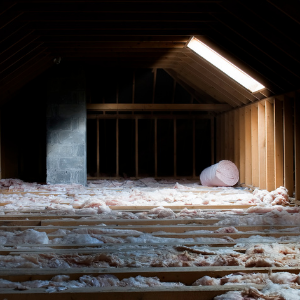
- Attic insulation and roof decking
- Wall cavities near plumbing lines
- Beneath flooring or carpet padding
- Air handler closets and duct systems
- Closets and storage areas with limited airflow
Because these areas are concealed, leaks may continue for long periods before being discovered.
How Professional Water Leak Detection Works
Water leak detection typically follows a systematic process to ensure accurate results.
Step 1: Visual Inspection
Technicians examine ceilings, walls, plumbing areas, and HVAC systems for visible signs of moisture.
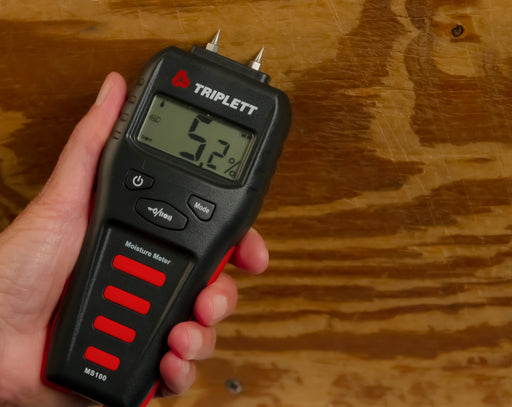
Step 2: Moisture Detection
Moisture meters are used to locate damp materials inside walls, ceilings, and flooring.
Step 3: Source Identification
The origin of the leak is traced to determine whether it involves plumbing, roofing, or condensation.
Step 4: Recommendations for Repair and Drying
Property owners receive guidance on necessary repairs and moisture control.
Pompano Mold Inspection and Testing often evaluates moisture conditions and hidden leaks in Fort Lauderdale and nearby Broward County communities, helping property owners identify problems before major damage occurs.
Why DIY Leak Detection Is Difficult
Homeowners sometimes try to locate leaks by checking visible areas, but hidden moisture often cannot be seen without specialized tools.
DIY efforts may miss:
- Moisture inside insulation
- Damp framing or subfloors
- Condensation inside duct systems
- Slow leaks behind walls
Professional equipment provides more accurate readings and helps identify problems early.
The Connection Between Water Leaks and Mold
Moisture from leaks creates conditions where mold may develop, especially in humid climates. Mold may grow in:
- Drywall and insulation
- Carpet padding
- Wood framing
- Air ducts and HVAC components
If mold is discovered, remediation may include removing affected materials, cleaning structural surfaces, and thoroughly drying the area.
Prevention Methods That Help Reduce Leak Risks
Property owners in Fort Lauderdale can reduce the likelihood of leaks by following practical prevention steps.
Inspect Roofs Regularly
Checking shingles, flashing, and seals helps detect problems early.
Maintain Plumbing Systems
Inspecting fixtures, pipes, and appliances helps prevent hidden leaks.
Seal Windows and Doors
Maintaining weather seals helps prevent water intrusion during storms.
Control Indoor Humidity
Using dehumidifiers helps maintain balanced moisture levels.
Inspect After Storms
Checking ceilings, walls, and attic areas after heavy rain helps detect moisture early.
These preventive measures significantly reduce the likelihood of water damage.
HVAC Systems and Moisture Control
HVAC systems play an important role in maintaining balanced indoor humidity. Moisture-related problems may occur when:
- Condensate drain lines become clogged
- Air filters restrict airflow
- Duct insulation becomes damp
- Condensation forms near air handlers
Routine HVAC maintenance helps prevent these issues and supports better indoor air quality.
Why Routine Inspections Matter
Periodic inspections help identify small moisture issues before they become serious. Routine leak detection is especially helpful:
- After heavy rain or storms
- During humid summer months
- When musty odors appear
- When plumbing or roof repairs are completed
Early detection often prevents costly repairs.
Why Local Experience Matters
Water leak detection in South Florida requires an understanding of local climate and construction conditions. Professionals familiar with Fort Lauderdale understand:
- How humidity affects building materials
- Typical roofing and plumbing challenges in Broward County homes
- Common moisture patterns after storms
This local knowledge helps inspections and repairs be more effective.
A Practical Next Step for Property Owners
Water leaks may begin with small signs, but they can lead to serious damage if not addressed quickly. Leak detection helps locate hidden moisture, identify the source, and prevent long-term problems.
With regular inspections, prompt repairs, and proper maintenance, property owners in Fort Lauderdale can keep their homes dry, comfortable, and well protected throughout the year.