Understanding Water Testing in Coconut Creek: Step-by-Step Process Explained
Water testing can feel like one of those “do I really need this?” things—until you notice a weird smell, cloudy water, staining on fixtures, or you’ve had a leak or storm-related water issue. In Coconut Creek, water testing is especially useful after plumbing problems, water intrusion, or when a home has older pipes that may be contributing sediment or corrosion.
This guide breaks down the step-by-step process of water testing, why it’s done, what it can uncover, and what the next steps usually look like for homeowners and property managers.
What Water Testing Actually Tells You
Water testing is a controlled way to identify what’s in your water—beyond what you can see, smell, or taste. It can help detect:
- Bacteria or microbial contamination
- Sediment and mineral content
- Corrosion byproducts from plumbing
- Contamination after flooding or water intrusion
- Issues tied to standing water in lines or appliances
Testing gives you facts, not guesses, so you can fix the right problem instead of chasing symptoms.
Why Coconut Creek Homes Sometimes Need Water Testing
Coconut Creek homes deal with the same South Florida realities as nearby areas like Margate, North Lauderdale, and Pompano Beach:
- Heavy seasonal rain and storms
- High humidity (which impacts moisture around plumbing areas)
- Occasional leaks that affect cabinets, walls, and floors
- Older plumbing components in some neighborhoods
- Water intrusion concerns after flooding events
Even when water looks “fine,” hidden issues can still exist—especially after a plumbing leak, water heater issue, or storm damage.
Common Reasons Property Owners Request Water Testing
Here are situations where water testing is most commonly useful:
After Plumbing Leaks or Repairs
Leaks can introduce debris, corrosion, or contamination into lines—especially if water sat in a closed space.
After Flooding or Water Intrusion
Floodwater is not the same as tap water. If flooding reached appliances, cabinets, or utility areas, testing may be recommended.
When Water Smells or Tastes Different
Metallic taste, sulfur-like smell, or strong chlorine odor can point to specific issues.
When You See Discoloration or Staining
Brownish or yellow water, or stains on sinks and tubs, often suggests sediment or pipe-related corrosion.
In Older Homes
Older pipes can shed rust or scale and affect water clarity and fixture staining.
Step-by-Step Water Testing Process (What to Expect)
Step 1: Quick Property Assessment
Before anyone collects samples, the technician usually reviews:
- Where the water issue is being noticed (kitchen, bathrooms, laundry)
- Whether there was a recent leak, repair, or storm event
- The age of the plumbing and water heater
- Any filtration system already installed
This helps determine what kind of testing is most appropriate.
Step 2: Choose the Right Sampling Locations
Not every sample is taken from the same place. Depending on the concern, sampling may include:
- Kitchen faucet (common for drinking water concerns)
- Bathroom sink (helps compare results across the home)
- Outdoor spigot (useful for “source vs interior plumbing” comparisons)
- Utility/laundry area (common after appliance leaks)
The point is to figure out whether the issue is coming from the supply or from the home’s plumbing.
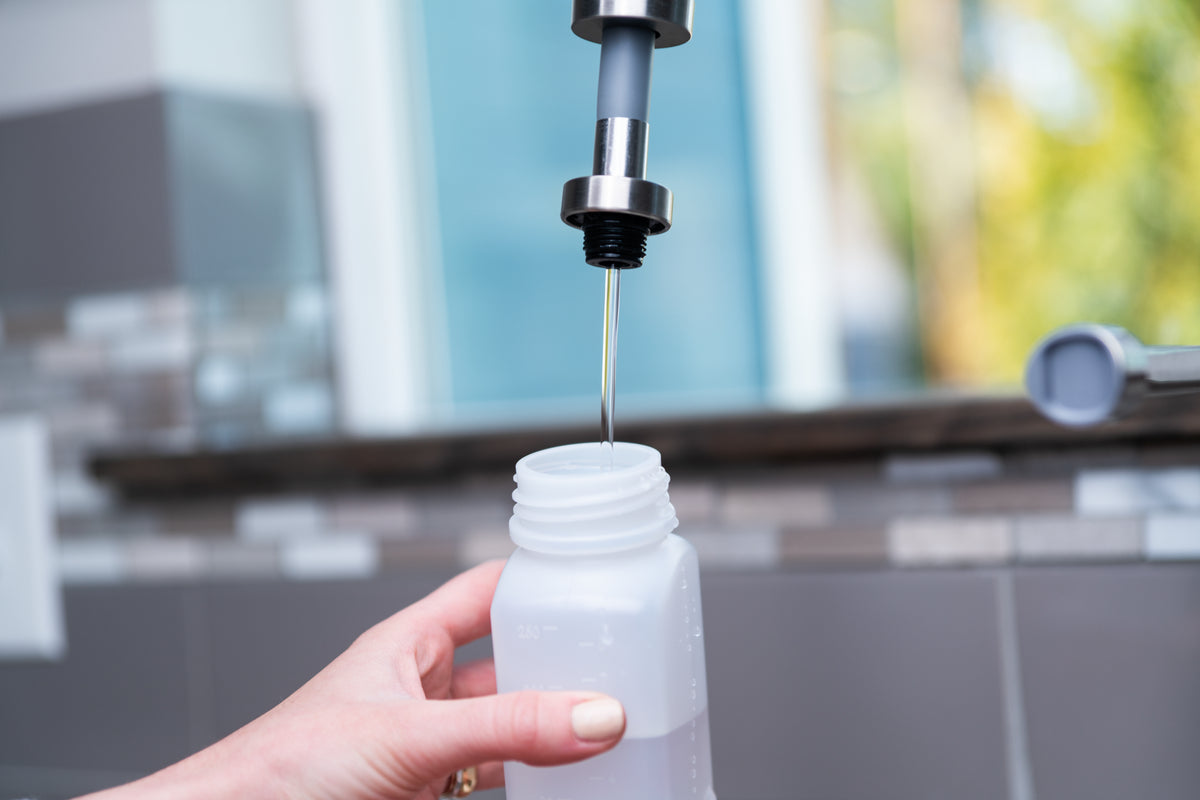
Step 3: Proper Sample Collection
Collection matters a lot. Samples should be taken carefully to avoid contamination. A technician may:
- Run the water for a set period first
- Use sterile containers
- Label each sample with location and time
- Take multiple samples if needed
This part is fast, but accuracy depends on doing it correctly.
Step 4: Basic On-Site Checks (When Applicable)
Some checks can be done immediately on-site, such as:
- Temperature
- Basic clarity or visible sediment
- General measurements depending on equipment available
These checks don’t replace full testing, but they can give early clues.
Step 5: Lab Analysis
This is where the real answers come from. Samples are analyzed based on the reason you tested in the first place. Testing may check for:
- Microbial contamination (when suspected)
- Mineral or sediment levels
- Signs of corrosion or plumbing breakdown
- Other indicators tied to water intrusion events
The exact lab panel depends on what you’re trying to confirm.
Step 6: Review Results and Identify the Source
Once results are available, the focus shifts to “where is this coming from?”
A good interpretation answers questions like:
- Is this a plumbing issue inside the home?
- Is it isolated to one faucet/area?
- Did a leak or water intrusion cause contamination?
- Is filtration a fix—or do repairs come first?
This is where water testing becomes actionable.
Step 7: Recommended Solutions Based on Findings
Solutions depend on what the test shows, but common recommendations include:
- Plumbing repairs or pipe replacement (if corrosion is the cause)
- Flushing and sanitizing lines (if microbial growth is suspected)
- Water filtration systems (for sediment/mineral issues)
- Moisture detection + drying (if water intrusion is involved)
In some situations—especially after leaks—water testing overlaps with moisture control work.
How Water Testing Connects to Mold and Moisture Problems
Here’s the big thing many homeowners miss: water quality concerns and moisture problems often show up together.
If a leak happened under a sink or behind a wall, you may need:
- Water testing (to confirm contamination concerns)
- Moisture detection (to confirm drying is complete)
- Mold inspection (if musty odors or staining exist)
That’s why many homeowners in Coconut Creek use local pros like Pompano Mold Inspection and Testing for moisture-related inspections when water issues overlap with hidden dampness.
Typical Costs (What Impacts Pricing)
Costs can vary depending on:
- How many samples are taken
- What the lab panel includes
- Whether it’s post-flooding / post-leak testing
- Accessibility of plumbing areas
- Whether you also need moisture detection or mold testing
In general, basic testing is simpler, while post-storm or “multiple location” testing can cost more due to expanded sampling and analysis.
Prevention Tips That Actually Help
If you want fewer water surprises in Coconut Creek, these habits make a real difference:
- Fix leaks fast (even “tiny” ones)
- Keep water heaters maintained and monitored
- Run rarely used taps occasionally (prevents stagnant water)
- Watch for staining and changes in water smell
- Schedule periodic plumbing checks in older homes
- After storms, inspect utility areas and under sinks
A little maintenance beats a big restoration project every time.
Why Local Experience Matters
Water issues in South Florida aren’t just about pipes—they’re about humidity, storms, and how homes are built here. Pros familiar with Coconut Creek understand:
- How storm season affects plumbing and moisture conditions
- Common leak points in Broward County homes
- How humidity impacts drying and contamination concerns
- When water testing should be paired with moisture detection
That local context makes testing more useful because results are interpreted with real-world conditions in mind.
Calm Next Step for Homeowners
If you’ve had a leak, storm-related water intrusion, or unexplained changes in water quality, water testing gives you clarity. It helps you stop guessing, pinpoint the cause, and choose the right fix—whether that’s plumbing repair, filtration, sanitizing lines, or moisture control work.
Homeowners and property managers in Coconut Creek often rely on experienced local providers such as Pompano Mold Inspection and Testing when water concerns overlap with moisture detection, drying, or mold prevention. Early testing and early action almost always cost less—and save a lot more stress.