
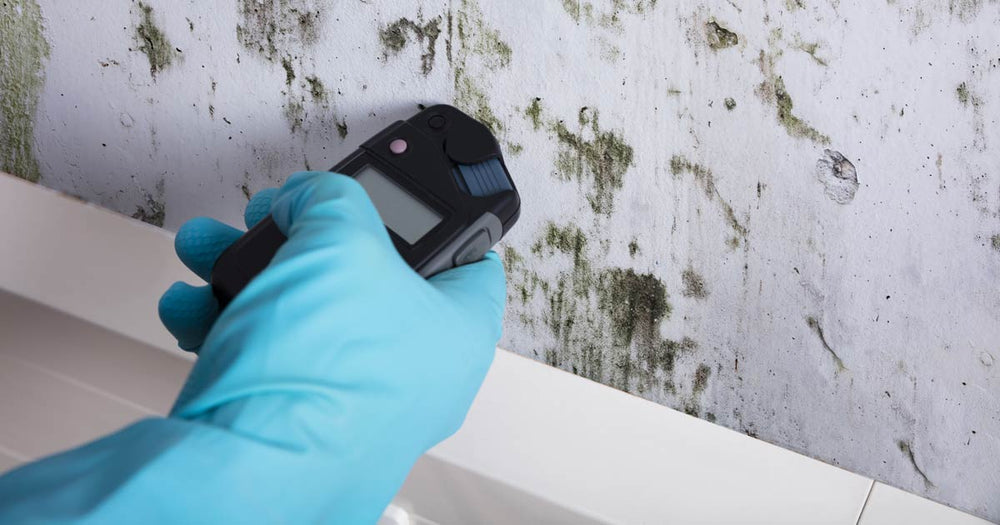
Warning Signs and Prevention Tips: Mold Testing in North Lauderdale After Storm Damage
Storm damage doesn’t always end when the rain stops. In North Lauderdale, heavy storms often leave behind hidden moisture that quietly creates the perfect conditions for mold growth. Even when there’s no standing water, storm-driven rain, roof intrusion, and elevated humidity can soak building materials just enough to cause problems weeks later.
That’s why mold testing after storm damage matters. It helps homeowners confirm whether mold is present, understand the scope of contamination, and take action before minor moisture turns into a serious indoor air quality issue. This guide breaks down the warning signs you should never ignore and practical prevention tips that actually work in South Florida homes.
Why Storm Damage Increases Mold Risk
Storms introduce moisture in more ways than people realize. It’s not just flooding. Wind-driven rain, roof damage, overwhelmed drainage systems, and prolonged humidity all play a role.
After storms, mold risk rises because:
- Water enters through roofs, windows, and wall penetrations
- Materials stay damp longer due to high humidity
- Insulation and drywall absorb moisture easily
- AC systems struggle to remove excess humidity
- Homeowners focus on visible damage and miss hidden moisture
Mold doesn’t need a disaster-level flood. It only needs moisture and time.
Early Warning Signs You Should Not Ignore
Mold problems often give subtle warnings before becoming obvious. Ignoring these signs after a storm is one of the most common homeowner mistakes.
Persistent Musty or Damp Odors
If your home smells earthy or damp days or weeks after a storm, moisture is likely still present somewhere. Odors often come from wall cavities, insulation, or flooring—not visible surfaces.
New or Spreading Stains
Water stains on ceilings or walls that appear after storms often indicate hidden moisture. If stains darken, grow, or reappear after drying, mold risk increases.
Bubbling Paint or Soft Drywall
Paint that blisters or drywall that feels soft is a sign that moisture is trapped behind the surface. This is one of the most common precursors to mold growth.
Increased Allergy-Like Symptoms Indoors
Sneezing, coughing, throat irritation, or headaches that worsen indoors after storm damage can be linked to elevated mold spores—even if you can’t see growth.
Warped Flooring or Loose Tile
Storm moisture often migrates under flooring. Warping, cupping, or hollow-sounding tile can indicate damp subfloors where mold can develop unseen.
Why Visual Checks Are Not Enough After Storms
Many homeowners rely on what they can see. Unfortunately, mold after storms is more likely to grow where you can’t see it.
Hidden problem areas include:
- Behind drywall on exterior walls
- Under tile, laminate, or carpet padding
- Inside insulation
- Behind cabinets and vanities
- Near HVAC components and ductwork
Mold testing and moisture evaluation go beyond surface checks and confirm whether conditions support mold growth.
When Mold Testing Is Especially Important After Storm Damage
Mold testing isn’t always required, but after storms it becomes valuable in specific situations.
Testing is strongly recommended when:
- Storm damage involved roof or window intrusion
- Moisture was present for more than 24–48 hours
- Odors persist after drying efforts
- You suspect mold but can’t see it
- Insurance documentation is needed
- The home will be sold or rented after repairs
Testing provides objective answers instead of assumptions.
How Mold Testing Works After Storm Damage
Mold testing is most effective when paired with inspection and moisture detection. Testing alone doesn’t tell the full story.
Common testing methods include:
Air Sampling
Air samples measure mold spore levels indoors and compare them to outdoor levels. Elevated indoor counts may indicate hidden mold growth.
Surface Sampling
Used to confirm whether visible discoloration or suspected areas contain mold.
Targeted Sampling
Samples are collected from areas identified as high-risk during inspection or moisture mapping.
Results are interpreted alongside moisture readings, storm history, and building conditions.
Common Mistakes Homeowners Make After Storms
Avoiding these mistakes can prevent long-term mold problems:
- Drying visible water but skipping moisture checks
- Painting over stains without addressing moisture
- Assuming AC runtime alone will dry the home
- Delaying inspection because damage “seems minor”
- Relying on DIY test kits without context
Storm-related mold problems often worsen because early warning signs were dismissed.
Prevention Tip #1: Act Fast After Storm Damage
Time is the biggest factor in mold prevention. The longer materials stay wet, the higher the risk.
Practical steps include:
- Removing standing water immediately
- Using dehumidifiers to control humidity
- Increasing airflow in affected areas
- Scheduling moisture inspection early
Early action often eliminates the need for mold remediation later.
Prevention Tip #2: Control Indoor Humidity
Storms raise indoor humidity even without leaks. High humidity alone can support mold growth.
Effective humidity control includes:
- Keeping indoor humidity below 50% when possible
- Running AC systems properly, not excessively cold
- Using dehumidifiers during prolonged wet weather
- Ensuring bathroom and kitchen exhaust fans work
Humidity management is one of the most effective mold prevention tools.
Prevention Tip #3: Inspect Roofs, Windows, and Exterior Walls
Storm damage often starts outside and works inward.
After storms, inspect:
- Roof shingles and flashing
- Window and door seals
- Exterior wall penetrations
- Gutters and downspouts
Small breaches allow water in repeatedly, even if the initial storm has passed.
Prevention Tip #4: Don’t Ignore Attics and Crawl Areas
Attics and wall cavities often take the brunt of storm moisture.
Watch for:
- Wet or compressed insulation
- Darkened wood sheathing
- Persistent attic humidity
- Condensation near ductwork
These areas are prime mold growth zones when moisture goes unnoticed.
Prevention Tip #5: Verify Drying Before Repairs
One of the most expensive mistakes is repairing too soon.
Before replacing drywall or flooring:
- Verify moisture levels are normal
- Confirm humidity is controlled
- Ensure the water source is fully fixed
Repairs done over damp materials almost always fail.
Mold Testing and Insurance Considerations
After storm damage, insurance claims often require documentation.
Mold testing and moisture reports can:
- Support the scope of damage
- Clarify whether mold is storm-related
- Reduce disputes during claims
- Provide timelines tied to the storm event
Clear documentation protects homeowners long after repairs are done.
Long-Term Prevention for North Lauderdale Homes
Storms are not a one-time threat. Prevention should be ongoing.
Smart long-term strategies include:
- Regular roof and exterior inspections
- Routine AC maintenance and drain line checks
- Monitoring indoor humidity year-round
- Inspecting after every major storm event
- Addressing moisture immediately, not eventually
Consistency is what keeps mold under control in South Florida.
Final Thoughts
Storm damage in North Lauderdale doesn’t always leave obvious destruction—but it almost always leaves moisture behind. Mold testing after storms helps homeowners catch problems early, confirm whether mold is present, and prevent long-term damage that often appears months later.
By recognizing warning signs, acting quickly, and following proven prevention steps, homeowners can protect their property and indoor air quality. After storms, mold problems don’t start loudly. They start quietly—and the smartest move is stopping them before they settle in.
