

Warning Signs and Prevention Tips: Water Removal in Lauderdale-by-the-Sea in Older Homes
Older homes in Lauderdale-by-the-Sea have character, solid construction, and desirable coastal locations. They also face unique water-related risks. Aging plumbing, original building materials, and constant exposure to coastal humidity mean that water intrusion can happen quietly and spread quickly. Knowing the early warning signs and understanding practical water removal and prevention steps helps homeowners protect these properties from long-term damage.
Water removal in older homes is not just about drying visible areas. It requires attention to how water moves through older structures and where moisture tends to remain hidden.
Why Older Homes in Lauderdale-by-the-Sea Are More Vulnerable
Many older homes were built before modern moisture-control standards were common. Original plumbing lines, fittings, and valves are more prone to slow leaks.
Roof systems and flashing may have aged, allowing wind-driven rain to enter attics and wall cavities during storms. Coastal exposure accelerates wear on exterior materials.
Older homes often rely on slab foundations or crawl spaces that can trap moisture beneath floors. Once water enters these areas, it may remain undetected for long periods.
Air conditioning systems added or upgraded over time may not be ideally matched to the home’s layout, increasing condensation and drainage issues.
Common Sources of Water Intrusion in Older Homes
Plumbing leaks are one of the most frequent sources. Corroded pipes, worn seals, and outdated fixtures can leak slowly behind walls or under floors.
Roof leaks are common after heavy rain. Water may travel along framing before appearing as ceiling stains, often far from the entry point.
AC drain line backups can cause water to overflow into ceilings or closets, especially during periods of heavy use.
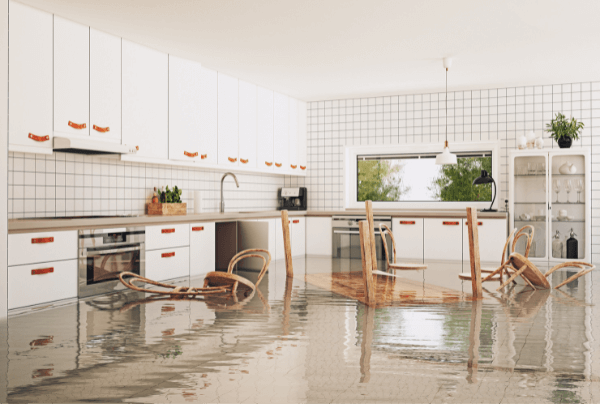
Storm-related water intrusion through doors, windows, or older seals can affect flooring and lower wall sections in coastal homes.
Early Warning Signs Homeowners Should Watch For
A musty or damp odor that does not go away is often the first sign of water intrusion. This smell may be stronger after rain or when the AC runs.
Discoloration on walls or ceilings, especially near baseboards or corners, can indicate water absorption. Bubbling or peeling paint is another common warning sign.
Floors may feel soft, uneven, or warped. In older homes, original wood flooring is especially sensitive to moisture.
Cabinets under sinks or near exterior walls may feel damp or show staining. These areas often hide slow leaks.
Ignoring these signs allows water to continue spreading out of sight.
Hidden Areas Where Water Often Remains
In older Lauderdale-by-the-Sea homes, water frequently stays hidden inside wall cavities. Plaster or older drywall can absorb moisture and release it slowly.
Under flooring, moisture may remain trapped against the slab or subfloor. Tile and vinyl flooring can conceal this moisture even when surfaces appear dry.
Attics are another common problem area. Wet insulation holds water and affects indoor conditions long after rain events.
HVAC systems may also be impacted if water enters near air handlers or ductwork.
Why Quick Water Removal Is Critical
The longer water remains, the more damage it causes. Wood swells, metal corrodes, and plaster or drywall weakens.
In coastal humidity, natural drying is slow. Moisture left behind often leads to odors, material breakdown, and secondary damage.
Prompt water removal limits how far water spreads and reduces repair costs, especially in older structures.
How Professional Water Removal Works in Older Homes
Water removal begins with a thorough assessment. Moisture detection tools help identify both visible and hidden water.
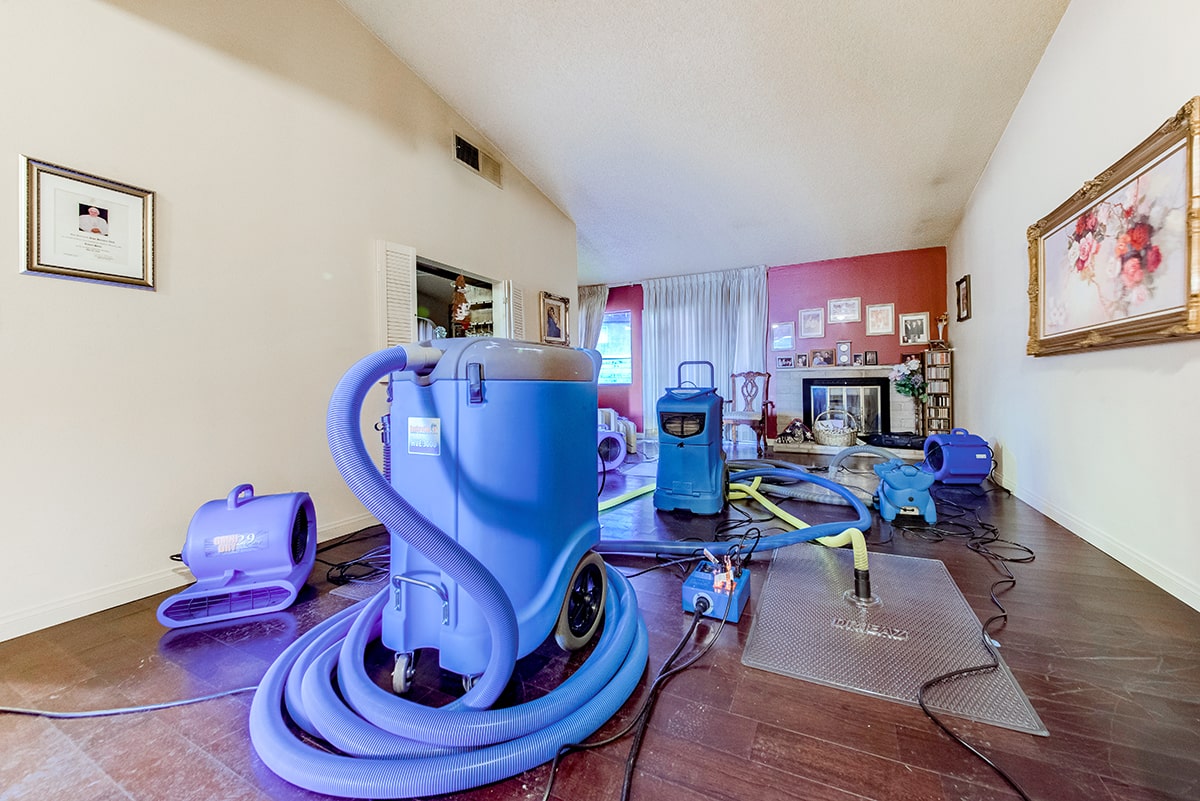
Standing water is extracted using professional equipment. Drying equipment is then placed to remove moisture from floors, walls, and the air.
In older homes, drying plans are adjusted to account for thicker walls, older materials, and limited ventilation.
Moisture levels are monitored to ensure drying is complete before repairs begin.
Pompano Mold Inspection and Testing provides water removal services in Lauderdale-by-the-Sea and surrounding Broward County communities with experience working in older coastal homes.
Why DIY Drying Often Falls Short
Fans and household dehumidifiers may dry surface areas but rarely address moisture trapped inside walls or under flooring.
Older materials absorb water differently than modern ones, requiring controlled drying to avoid damage.
Without moisture monitoring, homeowners may assume areas are dry when moisture remains hidden.
Incomplete drying often leads to recurring odors or future damage.
Prevention Tips That Actually Work
Regular plumbing inspections help identify slow leaks before they cause damage. Pay attention to changes in water pressure or unexplained moisture.
Maintain roof systems and flashing, especially before storm season. Small repairs prevent major intrusion.
Keep AC drain lines clear and schedule regular maintenance to reduce condensation issues.
After heavy rain or storms, inspect ceilings, attics, and exterior walls for early signs of moisture.
Avoid sealing up damp areas without proper drying, as this traps moisture inside older materials.
Periodic professional inspections are especially helpful for older homes with a history of leaks.
The Role of AC Systems in Older Homes
Air conditioning plays a major role in moisture control. However, older homes may have systems added after construction, leading to airflow or drainage challenges.
Condensation from improperly insulated ducts can introduce moisture into walls and ceilings.
Ensuring AC systems are correctly sized, drained, and insulated helps prevent ongoing water issues.
Why Local Experience Matters
Water behavior in older coastal homes is different from newer construction. Materials, layouts, and exposure all affect how moisture spreads and dries.
Professionals with local experience understand common problem areas in Lauderdale-by-the-Sea’s older homes and how to address them effectively.
Pompano Mold Inspection and Testing brings this local understanding to Lauderdale-by-the-Sea, Fort Lauderdale, Deerfield Beach, Lighthouse Point, and surrounding Broward County areas.
A Practical Next Step for Homeowners
If your older home has experienced water intrusion or shows warning signs, addressing the issue early helps prevent long-term damage. Professional water removal provides clarity, thorough drying, and protection for vulnerable materials.
Taking a proactive, informed approach is the most reliable way to protect older homes in Lauderdale-by-the-Sea from ongoing water-related problems.
