
Water Damage Repair Services in Fort Lauderdale in Commercial Buildings: Expert Advice for Homeowners
Water damage is one of the most common and costly issues affecting commercial buildings in Fort Lauderdale. Heavy rainstorms, tropical weather, aging infrastructure, and constant air conditioning use create the perfect conditions for water intrusion. For homeowners who also own or manage commercial properties, understanding how water damage develops and how proper repair should be handled is critical to protecting long-term property value.
In Fort Lauderdale and surrounding areas like Pompano Beach, Lauderdale-by-the-Sea, Margate, and North Lauderdale, water damage rarely begins with dramatic flooding. More often, it starts quietly with slow leaks, hidden moisture, or AC-related issues that worsen over time. Addressing water damage properly requires more than surface drying. It requires experience, accurate detection, and a structured repair process.
What Water Damage in Commercial Buildings Really Means
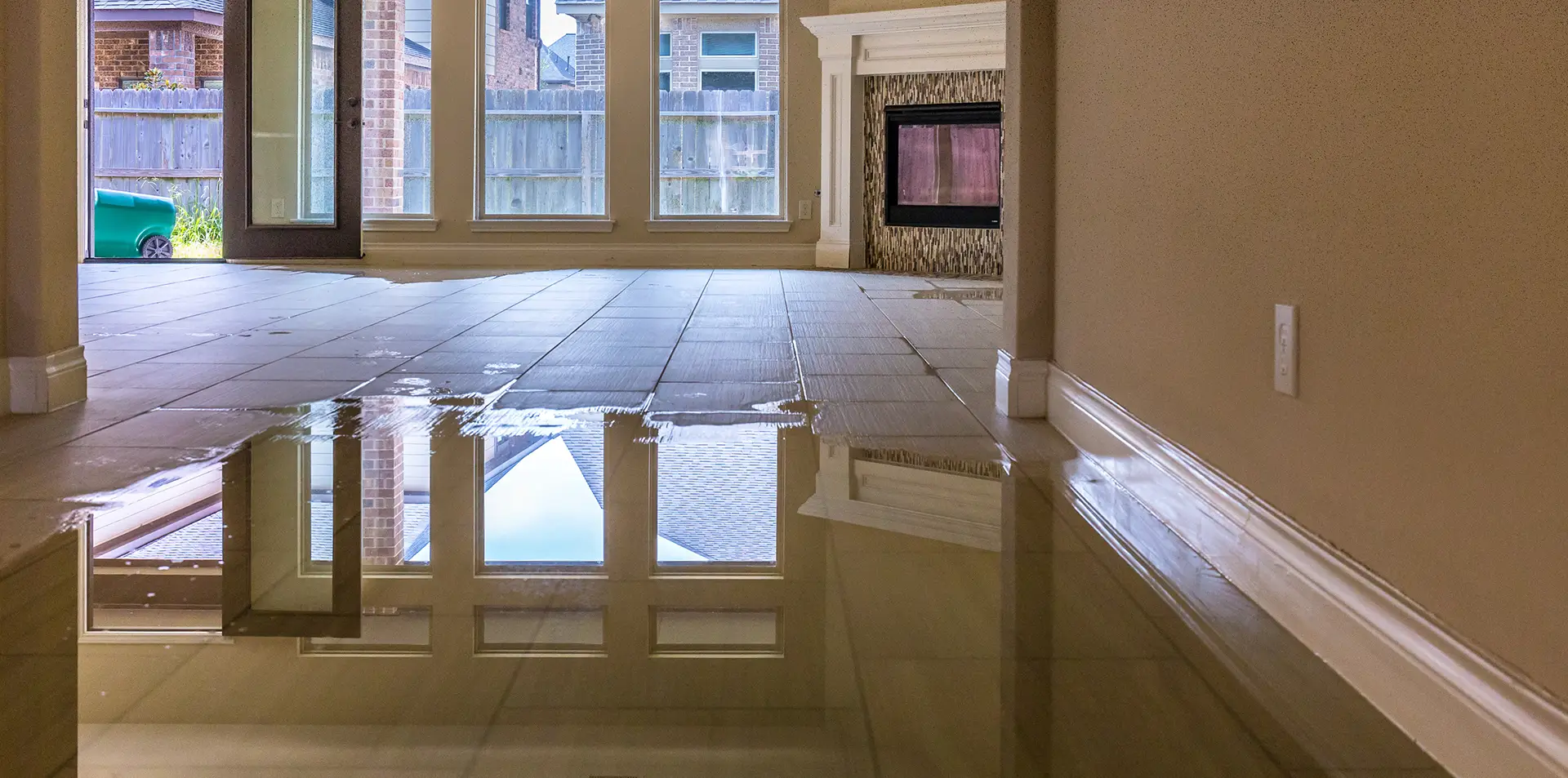
Water damage in commercial buildings extends far beyond visible standing water. It includes moisture trapped inside walls, under flooring, within insulation, and around structural components. Plumbing leaks, roof failures, clogged drains, and condensation from HVAC systems are all common sources.
Once water enters a structure, it spreads quickly through porous materials like drywall, carpet backing, ceiling tiles, and wood framing. In Fort Lauderdale’s humid climate, moisture does not dry on its own. Without professional drying and dehumidification, water remains trapped and continues to damage materials long after the initial incident.
Water damage repair focuses on removing moisture completely and restoring the building safely, not just making surfaces look dry.
Why Water Damage Is So Common in Fort Lauderdale
Fort Lauderdale’s climate plays a major role in frequent water damage cases. Seasonal storms bring intense rainfall in short periods, overwhelming drainage systems and exposing roof weaknesses. Coastal humidity keeps moisture levels high year-round, slowing evaporation and increasing condensation.
Many commercial buildings in Fort Lauderdale were built decades ago. Aging plumbing systems, worn roof membranes, and older drainage designs are more prone to failure. Slab foundations, common throughout South Florida, allow groundwater to migrate upward during heavy rain events.
Air conditioning systems also contribute. Commercial HVAC units operate continuously, producing large amounts of condensation. If drip pans overflow or condensation lines clog, water damage can occur gradually and go unnoticed.
Common Signs Property Owners and Managers Notice
Water damage often reveals itself through subtle warning signs. Stains on ceilings or walls are among the most visible indicators. Flooring may begin to warp, lift, or feel soft underfoot. Paint can bubble or peel as moisture builds behind walls.
Musty odors are another common complaint in Fort Lauderdale commercial buildings. These odors often appear in storage rooms, offices, restrooms, or areas with limited ventilation. Staff or tenants may report persistent humidity or discomfort even when the AC is running.
Ignoring these signs allows damage to spread further and increases repair costs significantly.
Hidden and Overlooked Sources of Water Intrusion
Some of the most damaging water issues come from areas that are rarely inspected. Roof leaks may only appear during heavy rain and dry out quickly, leaving moisture trapped in insulation or ceiling cavities. Plumbing leaks behind walls can continue for months without detection.
HVAC systems are a frequent source of hidden water damage. Poorly insulated ductwork, overflowing drip pans, or disconnected drain lines release moisture into ceilings and mechanical rooms. Over time, this moisture spreads into surrounding materials.
Bathrooms, kitchens, and utility rooms are also high-risk areas. Small leaks in these spaces often affect adjacent rooms before anyone notices.
Why DIY Water Cleanup Is Not Enough
When water damage appears minor, many property owners attempt basic cleanup. Mopping water, using fans, or running household dehumidifiers may seem effective at first, but these steps only address surface moisture.
Water quickly penetrates building materials, and without professional moisture detection, hidden damp areas remain untreated. In Fort Lauderdale’s environment, this trapped moisture creates ideal conditions for mold growth and material deterioration.
DIY cleanup also fails to address contaminated water. Even clean-looking water from plumbing leaks can carry bacteria once it spreads through building materials.
Professional Water Damage Inspection and Assessment
Proper water damage repair begins with a thorough inspection. Professionals use moisture meters and thermal imaging to locate water behind walls, under floors, and above ceilings.
In commercial buildings, accurate assessment prevents unnecessary demolition while ensuring all affected areas are addressed. This process helps minimize downtime and reduces the risk of future issues.
Documentation from inspections also supports maintenance planning and long-term property management decisions.
The Proper Water Damage Repair Process
Water damage repair follows a structured and methodical process. The first step is stopping the water source to prevent further intrusion. Standing water is then removed using professional extraction equipment designed for commercial spaces.
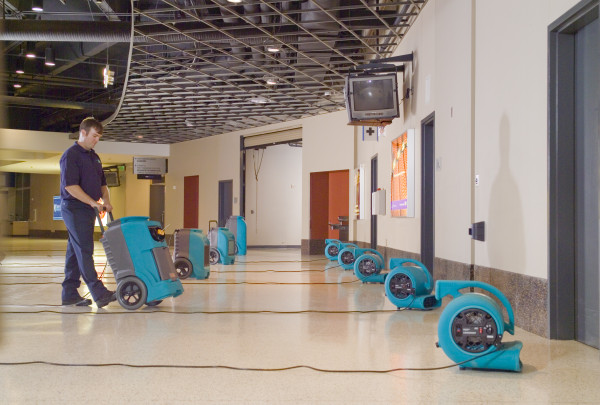
Drying and dehumidification follow. Industrial air movers and commercial-grade dehumidifiers remove moisture from materials and the surrounding air. This step is especially critical in Fort Lauderdale, where high humidity slows natural drying.
Once moisture levels return to safe ranges, damaged materials are repaired or replaced. This may include drywall, flooring, insulation, and baseboards. The goal is full restoration, not temporary fixes.
Mold Risks After Water Damage
Mold growth is a common secondary issue following water damage in Fort Lauderdale. Mold can begin developing within 24 to 48 hours when moisture is present.
Commercial buildings are particularly vulnerable due to size, complex layouts, and shared wall systems. Mold often develops in hidden spaces like wall cavities or above ceiling tiles, where it remains undetected until odors or air quality issues appear.
When mold is suspected, professional mold inspection and cleaning are necessary. Effective mold remediation includes containment, removal of affected materials, and correcting the moisture source to prevent recurrence.
Flooding and Storm-Related Water Damage
Storm-related flooding presents additional challenges. Floodwater can contain contaminants that require specialized cleanup and sanitation. Even shallow flooding can compromise electrical systems, structural components, and ductwork.
Flood restoration involves water removal, thorough drying, cleaning, and evaluation of materials that may need replacement. Skipping steps increases the risk of long-term damage and indoor air quality problems.
In flood-prone areas of Fort Lauderdale, proactive planning and rapid response reduce recovery time and repair costs.
HVAC Systems and Water Damage Concerns
Water damage often affects HVAC systems. Moisture entering ductwork or air handlers can spread contaminants throughout the building.
Wet ducts and insulation create conditions for mold growth and reduce system efficiency. Professional duct inspection and cleaning are often necessary after water damage to restore proper airflow and indoor air quality.
Maintaining clean and dry HVAC systems supports occupant comfort and protects equipment lifespan.
Preventing Water Damage in Fort Lauderdale Commercial Buildings
Prevention starts with regular maintenance. Routine roof inspections, plumbing checks, and HVAC servicing reduce the risk of unexpected failures. Clearing drains and ensuring proper grading around the building help manage stormwater.
Installing moisture detection systems and scheduling periodic inspections catch problems early. Addressing small leaks immediately prevents larger, more expensive repairs later.
In Fort Lauderdale’s climate, prevention is an ongoing responsibility, not a one-time effort.
Why Local Experience Matters
Water damage repair in Fort Lauderdale requires local knowledge. Professionals familiar with South Florida construction, weather patterns, and moisture behavior can identify issues others may miss.
Pompano Mold Inspection and Testing brings experience from working throughout Fort Lauderdale, Pompano Beach, Lauderdale-by-the-Sea, and surrounding Broward County communities. Local expertise helps ensure repairs address root causes rather than repeating surface-level fixes.
A Practical Path Forward for Property Owners
Water damage in commercial buildings does not need to become overwhelming. Early recognition, proper inspection, and professional repair protect property value and reduce disruption.
For homeowners and commercial property owners in Fort Lauderdale, understanding water damage repair is the first step toward making informed decisions. Addressing moisture issues promptly keeps buildings safe, functional, and resilient in South Florida’s demanding environment.
