
Water Damage Repair Solutions for Homes in Lauderdale-by-the-Sea: Inspection and Repair Guide
Water damage is one of the most common and costly problems homeowners face in Lauderdale-by-the-Sea. Coastal storms, heavy rainfall, aging plumbing, and constant air conditioning use create the perfect conditions for water intrusion. While some water damage is immediately visible, much of it spreads quietly behind walls, under floors, and inside ceilings before homeowners realize the full extent of the problem.
In Lauderdale-by-the-Sea and nearby areas such as Fort Lauderdale, Pompano Beach, Lighthouse Point, and Deerfield Beach, water damage rarely resolves on its own. Proper inspection and repair are essential to stop ongoing damage, prevent mold growth, and protect the long-term structure of the home. Understanding how water damage repair works helps homeowners respond quickly and correctly instead of relying on temporary fixes.
What Water Damage in Residential Homes Really Is
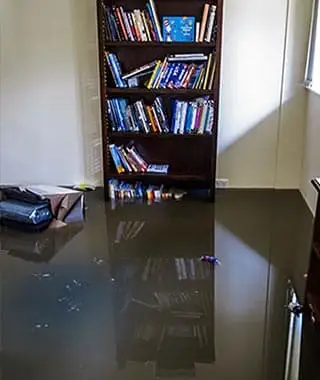
Water damage is not limited to flooding or burst pipes. In many homes, it begins with slow leaks, roof seepage, AC condensation problems, or plumbing failures that go unnoticed. Once water enters the home, it spreads through porous materials such as drywall, insulation, carpet padding, and wood framing.
These materials absorb water quickly and hold it deep inside. Even when surfaces appear dry, moisture may still be trapped within the structure. In Lauderdale-by-the-Sea’s humid coastal climate, natural drying is slow, allowing damage to continue long after the original water source is gone.
Water damage repair focuses on removing moisture completely and restoring affected materials safely.
Why Water Damage Is Common in Lauderdale-by-the-Sea
Lauderdale-by-the-Sea’s location and environment play a major role in frequent water damage. Heavy seasonal rainstorms can overwhelm drainage systems and force water into homes through doors, windows, and garages. Coastal humidity remains high year-round, slowing evaporation and increasing condensation.
Many homes are built on slab foundations, which allow moisture to migrate upward when soil becomes saturated. Salt air accelerates wear on roofing materials, flashing, and seals, making even well-maintained homes vulnerable over time.
Air conditioning systems run constantly to manage heat and humidity, producing condensation that can cause damage if drain lines clog or insulation fails.
Early Signs Water Damage May Be Present
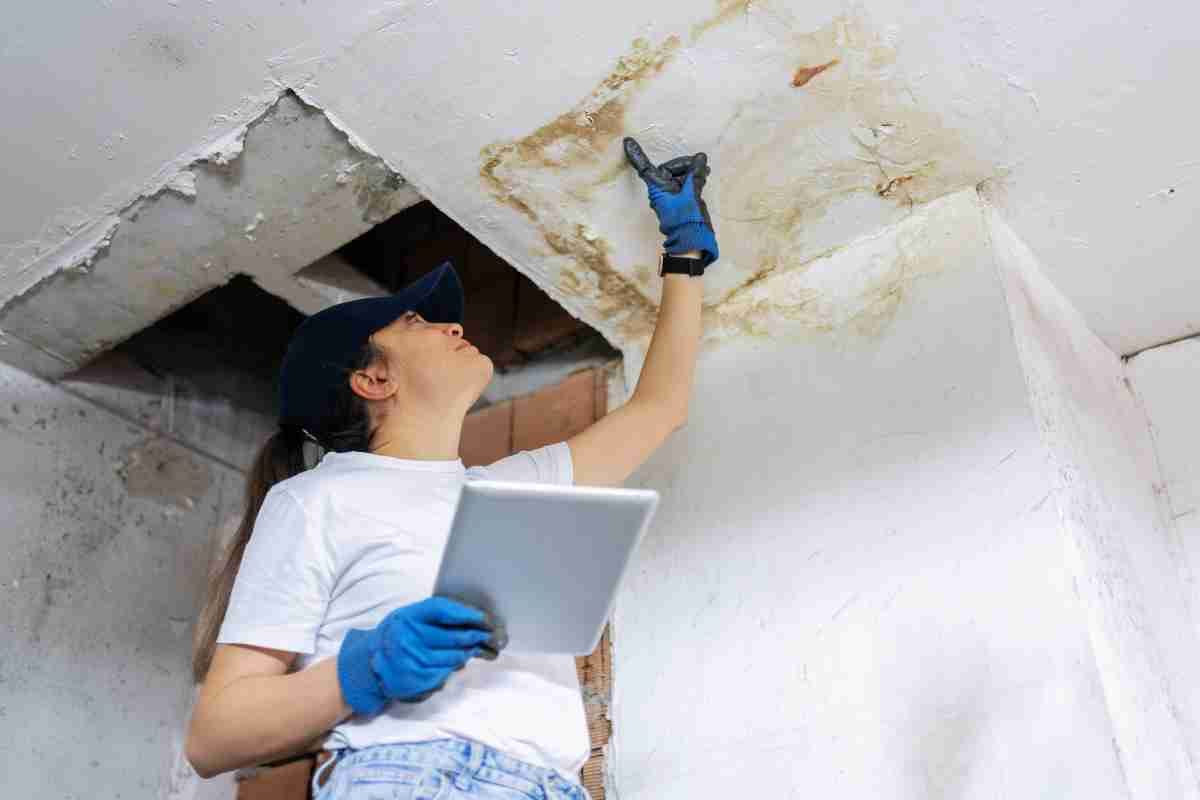
Water damage often reveals itself through subtle warning signs. Homeowners may notice stains on ceilings or walls, bubbling or peeling paint, or warped baseboards. Flooring may feel soft, uneven, or begin lifting at the edges.
Musty odors are another common sign, especially after storms or when the AC runs. Increased indoor humidity, condensation on windows, or rooms that never feel comfortable can also indicate trapped moisture.
These signs suggest that professional inspection is needed, even if no standing water is visible.
Hidden Damage Homeowners Often Miss
Some of the most serious water damage occurs out of sight. Water can travel behind walls, under cabinets, and into insulation without obvious surface clues. Wet insulation loses its effectiveness and remains damp for extended periods.
Wood framing can weaken over time as moisture breaks down fibers. Electrical components may also be affected even if outlets appear dry. If water reaches HVAC systems or ductwork, moisture can spread throughout the home, contributing to odors and humidity problems.
Hidden damage is why inspection is a critical first step in water damage repair.
Why DIY Cleanup Is Not Enough
Many homeowners attempt to manage water damage themselves using fans, wet vacuums, or household dehumidifiers. While these methods may remove surface moisture, they rarely address water trapped inside building materials.
Without professional moisture detection, damp areas remain untreated. In Lauderdale-by-the-Sea’s climate, this trapped moisture can lead to mold growth, structural deterioration, and recurring odors.
DIY cleanup also does not address contamination risks when water comes from plumbing failures or exterior intrusion. Professional repair ensures thorough drying and proper handling of affected materials.
Professional Water Damage Inspection Explained
Water damage repair begins with a detailed inspection. Professionals use moisture meters and thermal imaging to locate water behind walls, under floors, and above ceilings. These tools identify moisture that cannot be seen or felt.
Inspection also includes evaluating plumbing systems, roofing components, windows, doors, and HVAC equipment to identify the source of water intrusion. Understanding how water entered and where it traveled helps prevent future damage.
Accurate inspection allows repairs to be targeted and effective rather than guesswork.
The Water Damage Repair Process Step by Step
Water damage repair follows a structured process designed to stop damage and restore the home safely. The first step is stopping the water source to prevent further intrusion. This may involve plumbing repairs, roof fixes, or AC system adjustments.
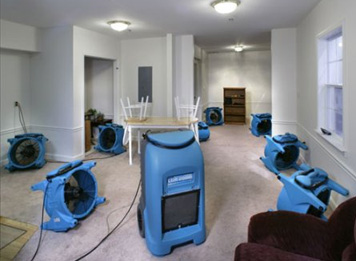
Standing water is then removed using professional extraction equipment. Drying and dehumidification follow, using industrial air movers and commercial-grade dehumidifiers to pull moisture from materials and the air.
Moisture levels are monitored throughout the process to confirm drying is complete. Damaged materials that cannot be dried safely, such as saturated insulation or warped drywall, are removed and replaced.
This process ensures the home is stabilized before cosmetic repairs are completed.
Mold Risks After Water Damage
Mold growth is a common secondary issue following water damage. Mold can begin developing within 24 to 48 hours when moisture remains.
Hidden areas such as wall cavities, ceilings, and insulation provide ideal conditions for mold growth. Once established, mold can spread and cause ongoing indoor air quality issues.
Proper water damage repair significantly reduces mold risk by eliminating moisture. When mold is suspected, professional mold inspection and remediation may be required as part of the repair process.
How Water Damage Affects HVAC and Air Ducts
Water damage often impacts HVAC systems. Moisture entering air handlers, ductwork, or insulation can spread humidity and contaminants throughout the home.
Wet ducts reduce system efficiency and contribute to musty odors and uneven cooling. Professional duct inspection and cleaning may be necessary after water damage to restore proper airflow and indoor comfort.
Addressing HVAC-related moisture issues is essential for long-term recovery.
Preventing Future Water Damage
Water damage repair also supports prevention. During inspection and drying, professionals often identify secondary issues such as poor ventilation, damaged insulation, or drainage problems around the home.
Correcting these issues reduces the likelihood of future water intrusion. Regular roof inspections, plumbing maintenance, and AC servicing further lower risk.
After any water event, follow-up moisture checks ensure the home is fully dry and protected.
Why Local Experience Matters
Water damage repair in Lauderdale-by-the-Sea requires local knowledge. Coastal humidity, storm patterns, slab foundations, and salt air all influence how water spreads and dries.
Pompano Mold Inspection and Testing brings experience working throughout Lauderdale-by-the-Sea, Fort Lauderdale, Pompano Beach, Lighthouse Point, and surrounding Broward County communities. Local expertise ensures water damage repair addresses both visible damage and hidden moisture unique to coastal homes.
A Practical Guide for Homeowners
Water damage does not have to become a long-term problem when handled correctly. Early inspection, thorough drying, and proper repair protect both the home and its value.
For Lauderdale-by-the-Sea homeowners, understanding water damage repair solutions provides clarity and confidence during stressful situations. By addressing moisture completely and following a structured repair process, homes can remain safe, comfortable, and resilient in South Florida’s demanding coastal environment.
