

Water Damage Repair Solutions for Homes in Lauderdale-by-the-Sea: Practical Tips That Work
Water damage is a common issue for homes in Lauderdale-by-the-Sea, especially with the area’s coastal exposure, heavy rain, and high humidity. Even when flooding is not obvious, moisture can still enter homes through roof leaks, plumbing failures, AC condensation, or wind-driven rain. In South Florida’s climate, water damage does not simply dry out on its own. Without proper repair, moisture can remain hidden inside walls, floors, and ceilings, leading to mold growth and long-term material damage.
For homeowners in Lauderdale-by-the-Sea, understanding practical water damage repair solutions helps prevent small issues from turning into ongoing problems. The key is knowing what actually works in a humid, coastal environment.
What Water Damage Repair Really Means
Water damage repair is not just about cleaning up visible water. It is a structured process that includes inspection, moisture detection, water removal, drying, and repairing affected materials. Each step plays an important role in ensuring the home is returned to safe, dry conditions.
In coastal homes, moisture often spreads farther than expected. Water can move behind walls, under flooring, and into insulation without leaving obvious surface signs. Effective repair addresses both visible damage and hidden moisture.
Common Causes of Water Damage in Coastal Homes
Homes in Lauderdale-by-the-Sea face several water damage risks. Heavy rain and storms can overwhelm drainage systems and allow water to enter through doors, windows, and exterior walls. Wind-driven rain often reaches areas that stay dry most of the year.
Roof leaks are another frequent cause, especially in older homes or properties with aging materials. Even small roof issues can allow water into attics, where it may go unnoticed for weeks.
Plumbing leaks, both sudden and slow, contribute to water damage as well. Leaks under sinks, behind walls, or beneath slab foundations often remain hidden until damage becomes visible. AC-related moisture issues, such as clogged condensate drain lines or leaking drain pans, are also common in South Florida homes.
Why Water Damage Is More Severe in Lauderdale-by-the-Sea
Lauderdale-by-the-Sea’s coastal climate makes water damage more difficult to manage. High humidity slows evaporation, which means moisture lingers longer inside building materials. Salt air accelerates wear on seals, flashing, and exterior components, increasing the likelihood of water intrusion.
Many homes are built on slab foundations. These slabs can absorb water and slowly release moisture back into the home, affecting flooring and lower walls long after the original water event.
Because drying takes longer, incomplete repairs often lead to recurring damage and mold growth if moisture is not addressed thoroughly.
Early Warning Signs Homeowners Should Not Ignore
Water damage often provides early warning signs. A persistent musty or damp odor is one of the most common indicators that moisture is present. Homeowners may also notice discoloration on walls or ceilings, peeling paint, or bubbling drywall.
Warped baseboards, soft flooring, or increased indoor humidity are additional red flags. In some cases, damage appears far from the original water source, making inspection especially important.
Catching these signs early allows repairs to be simpler and less disruptive.
Hidden Moisture Behind Walls and Floors
One of the biggest challenges with water damage is moisture that remains hidden. Water can travel behind drywall, under flooring, and into insulation without being visible.
In coastal homes, moisture may also migrate upward from damp slabs or enter through exterior walls during storms. Cabinets, closets, and baseboards often conceal lingering moisture that continues to cause damage over time.
Without moisture detection, these hidden areas may stay wet even after surface cleanup.
Why DIY Water Damage Cleanup Often Fails
Many homeowners attempt to handle water damage with fans, wet vacuums, or household dehumidifiers. While these tools may help with surface water, they are not designed to dry wall cavities, insulation, or subfloors.
In humid Florida conditions, surface drying can be misleading. Areas may appear dry while moisture remains trapped inside materials. This incomplete drying is one of the main reasons mold develops after water damage.
Professional inspection and drying methods are essential for lasting results.
Water Damage Inspection Explained
Effective water damage repair begins with inspection. The goal is to identify where water entered the home and how far it spread. Visual inspection is combined with moisture detection tools to locate damp materials inside walls, ceilings, and floors.
Moisture meters and thermal imaging help identify hidden moisture without unnecessary demolition. In Lauderdale-by-the-Sea homes, inspections often focus on exterior walls, plumbing areas, AC systems, attics, and slab edges.
This information guides the repair process and helps prevent missed moisture pockets.
Water Removal and Drying That Actually Works
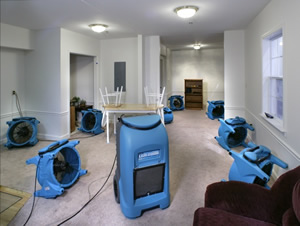
Once inspection is complete, water removal begins. Standing water is extracted using professional equipment designed for residential properties. Speed matters, as water penetrates deeper into materials the longer it remains.
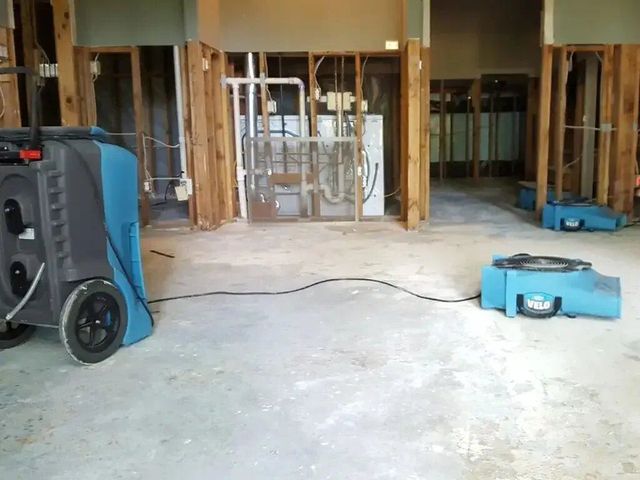
After extraction, controlled drying removes moisture from affected materials. Airflow, humidity, and temperature are carefully managed to dry walls, floors, insulation, and structural components safely.
Moisture levels are monitored throughout the process to confirm that materials return to safe ranges before repairs begin.
Repairing Water-Damaged Materials Properly
After drying is complete, repairs focus on materials that cannot be salvaged. This may include replacing sections of drywall, insulation, flooring, baseboards, or cabinetry.
Repairs should only begin once moisture levels are confirmed to be safe. Installing new materials over damp surfaces traps moisture and often leads to repeat damage or mold growth.
Repair work also addresses vulnerabilities that allowed water intrusion, such as sealing exterior openings, repairing plumbing, or correcting AC moisture issues.
Connection Between Water Damage and Mold Growth
Water damage and mold are closely connected in South Florida homes. Mold requires moisture to grow, and water-damaged materials provide ideal conditions.
Mold often develops in hidden areas, such as wall cavities or under flooring, before becoming visible. Mold inspection and remediation may be needed if moisture exposure was prolonged.
Proper water damage repair significantly reduces mold risk by removing moisture completely.
Role of AC Systems in Water Damage Repair
Air conditioning systems often contribute to or worsen water damage. Condensation leaks, clogged drain lines, and duct moisture can introduce water into ceilings and walls.
Inspecting AC components and ductwork is often part of a complete repair process. Addressing AC-related moisture helps prevent recurring water damage issues.
Preventing Future Water Damage in Coastal Homes
Prevention begins with understanding the cause of the original water damage. Maintaining roofs, plumbing systems, and AC components reduces the risk of leaks.
Improving exterior drainage, sealing doors and windows, and monitoring indoor humidity help limit water intrusion. After storms, early inspection allows moisture problems to be addressed before damage spreads.
Regular moisture checks in high-risk areas provide early warning and reduce long-term repair costs.
Why Local Experience Matters
Water damage repair in Lauderdale-by-the-Sea requires local knowledge. Coastal humidity, storm patterns, salt air, and construction styles all influence how water behaves inside homes. Local experience helps ensure inspections are thorough and repair methods are appropriate for Broward County properties.
Pompano Mold Inspection and Testing brings that local expertise to water damage repair, moisture detection, mold inspection, and related services throughout Lauderdale-by-the-Sea, Fort Lauderdale, Pompano Beach, Lighthouse Point, Coconut Creek, Deerfield Beach, Margate, North Lauderdale, and surrounding communities.
A Practical Path Forward for Homeowners
Water damage does not have to lead to ongoing problems. With proper inspection, thorough drying, and targeted repairs, homes in Lauderdale-by-the-Sea can recover safely and effectively. Understanding what repair solutions actually work in a coastal environment helps homeowners take the right steps, prevent future damage, and protect their properties over the long term.
