
Water Leak Detection in Coconut Creek: Costs, Causes, and Solutions
Water leaks in Coconut Creek homes often develop quietly. By the time stains, odors, or rising humidity become noticeable, moisture has usually been present for some time. In South Florida’s humid climate, even small leaks can spread quickly into walls, floors, and ceilings, making early detection one of the most important steps homeowners can take.
Understanding the common causes of leaks, what detection involves, and how costs are influenced helps property owners respond calmly and avoid unnecessary repairs.
What Water Leak Detection Really Is
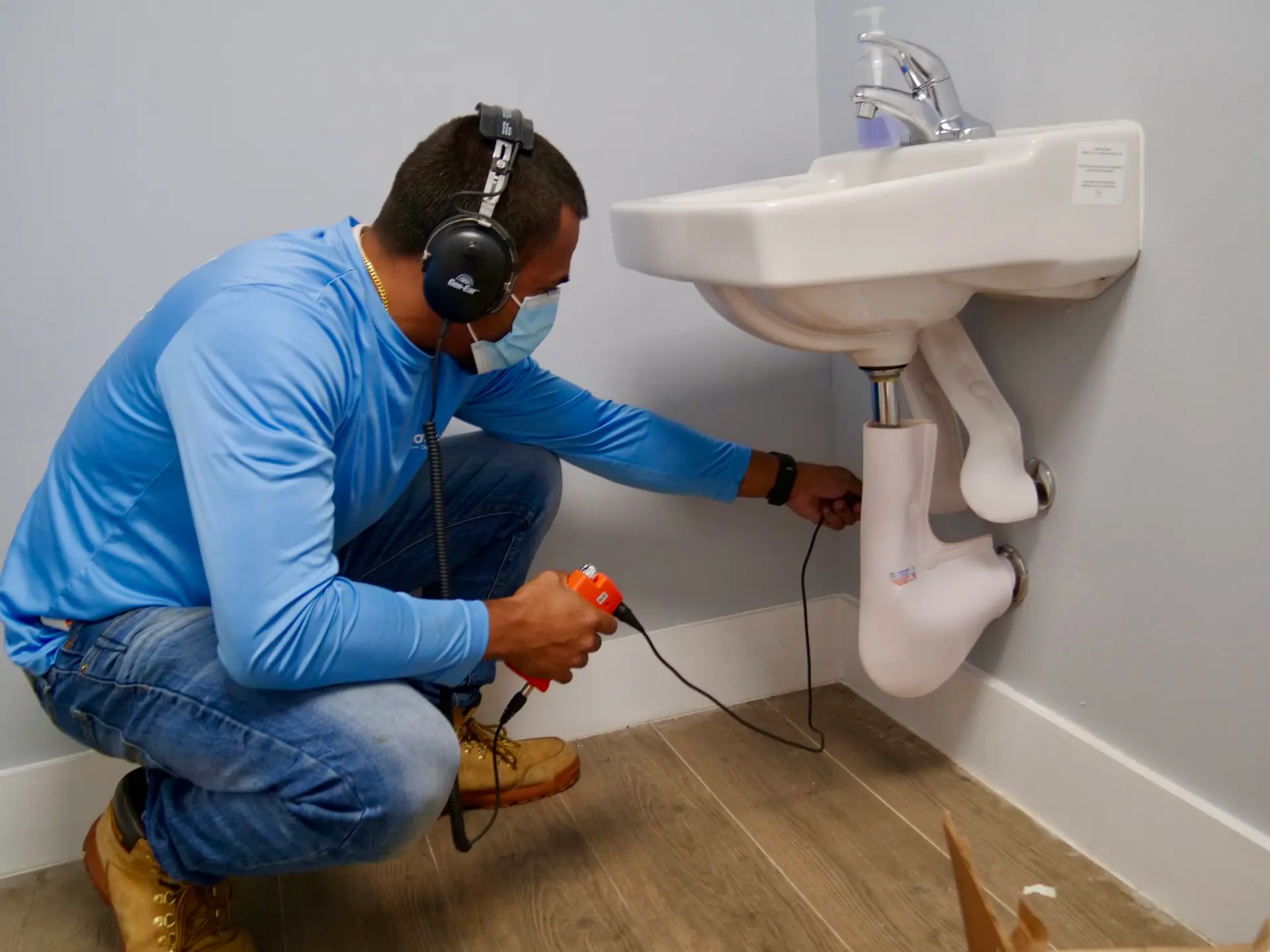
Water leak detection is the process of locating unwanted moisture inside a home and identifying its source. It goes beyond finding visible drips or puddles.
In Coconut Creek homes, detection often focuses on hidden areas such as wall cavities, slab foundations, attics, and HVAC-related components. Specialized tools measure moisture inside building materials and help trace where water is entering or escaping.
The goal is clarity—knowing whether moisture is active, where it started, and how far it has spread.
Why Hidden Leaks Are Common in Coconut Creek
Coconut Creek’s climate creates constant moisture pressure. High humidity slows drying once water enters the structure, allowing leaks to remain hidden longer.
Most homes are built on slab foundations, which can conceal plumbing leaks beneath flooring. Air conditioning systems run most of the year, producing condensation that can turn into leaks if drainage or insulation fails.
Heavy rain and storms add another layer of risk by forcing water through small exterior gaps that don’t always leave obvious signs.
Common Causes of Water Leaks in Residential Homes
Plumbing leaks are a leading cause. Aging pipes, loose fittings, and worn supply lines under sinks or behind walls can release water slowly over time.
AC condensation issues are another frequent source. Clogged drain lines, cracked drip pans, or sweating ductwork can leak water into ceilings and wall cavities. Roof seepage and window or door seal failures may also allow rainwater to enter during storms.
In many cases, homeowners are dealing with more than one contributing factor.
Early Warning Signs You Should Not Ignore
Water leaks often announce themselves subtly. Musty or earthy odors are common, especially when the AC is running.
Other signs include unexplained humidity, water stains that appear and fade, bubbling or peeling paint, warped baseboards, or flooring that feels cool or slightly spongy. Some rooms may feel uncomfortable despite normal temperatures.
These symptoms usually indicate hidden moisture rather than surface condensation.
Where Leaks Commonly Hide
In Coconut Creek homes, leaks are often found behind drywall, under flooring, and inside ceilings. Slab foundation leaks may travel beneath tile, laminate, or carpet without visible pooling.
Attics can conceal moisture from roof seepage or AC air handlers. Wall cavities near bathrooms, kitchens, and laundry areas are also common trouble spots.
Because these areas are out of sight, professional detection is often necessary.
Why Visual Inspection Alone Isn’t Enough
Dry-looking surfaces can still contain elevated moisture levels inside. By the time water becomes visible, damage has usually progressed.
Leak detection uses moisture meters to measure dampness inside materials and thermal imaging to identify temperature patterns associated with moisture. This approach reduces guesswork and prevents unnecessary demolition.
Accurate detection helps ensure repairs are targeted and effective.
How Professional Water Leak Detection Works
Professional detection begins with a walkthrough to understand the home’s layout and any reported symptoms. Plumbing fixtures, AC systems, and exterior-facing walls are evaluated first.
Moisture meters identify elevated moisture levels in drywall, wood, insulation, and flooring. Thermal imaging helps trace the path of hidden leaks behind walls or ceilings.
Results are documented clearly so homeowners understand the source, scope, and urgency of the issue.
Understanding the Costs Involved
The cost of water leak detection varies based on several factors. The size of the home, accessibility of affected areas, and complexity of the leak all influence pricing.
Leaks that are caught early and localized are typically less costly to address. Long-standing leaks that have spread into multiple areas may require more extensive testing and follow-up services.
Investing in early detection often reduces overall repair costs by limiting damage.
Solutions After a Leak Is Found
Once the leak source is identified, solutions focus on stopping the water and correcting affected materials. Plumbing repairs, AC drain line service, or insulation replacement may be required depending on the cause.
Drying affected areas to safe moisture levels is critical before cosmetic repairs begin. In cases where moisture was present for an extended period, mold inspection or remediation may be recommended.
Targeted solutions prevent repeat problems and unnecessary repairs.
The Role of Leak Detection in Mold Prevention
Mold requires moisture to grow. Water leak detection helps identify conditions that allow mold to develop before growth becomes visible.
By addressing leaks early and confirming materials are dry, homeowners significantly reduce the risk of mold inside walls, ceilings, or HVAC systems. Even when mold is already present, detection helps ensure the moisture source is fully resolved.
In humid climates, this preventive step is especially valuable.
Preventing Future Water Leaks
Prevention starts with routine maintenance. Plumbing connections should be inspected periodically, especially in kitchens, bathrooms, and laundry areas.
AC systems require regular drain line cleaning and insulation checks. Roofs, windows, and exterior seals should be maintained to prevent storm intrusion.
Monitoring indoor humidity and responding quickly to odors or stains helps catch problems early.
Why Local Experience Matters in Coconut Creek
Water leaks behave differently in South Florida than in other regions. Professionals familiar with Coconut Creek understand how humidity, slab foundations, and HVAC systems affect moisture movement.
Local experience helps ensure detection results are interpreted correctly. Companies like Pompano Mold Inspection and Testing bring regional insight when evaluating water leaks in Coconut Creek and surrounding Broward County communities.
A Practical Takeaway for Homeowners
Water leak detection provides clarity in a climate where moisture is constant and often hidden. Understanding the causes, realistic costs, and available solutions helps homeowners act confidently and avoid unnecessary damage.
For Coconut Creek homeowners, early water leak detection is one of the most effective ways to protect the structure, maintain comfort, and prevent long-term moisture-related problems in South Florida’s demanding environment.
