
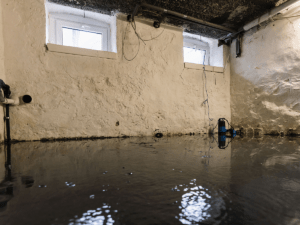
Water Leak Detection Services in Coconut Creek after Storm Damage: Risks and Prevention Methods
Storm damage is a serious concern for homeowners in Coconut Creek, Florida. With frequent heavy rainfall, tropical storms, and hurricanes, residential properties are at high risk of water intrusion. Water leaks, if undetected, can lead to extensive damage, including structural degradation, mold growth, and compromised indoor air quality. Timely water leak detection is essential to mitigate risks and implement effective prevention methods.
This article provides a detailed overview of the risks posed by water leaks following storms and outlines proactive strategies and detection methods for Coconut Creek homeowners.
Understanding the Impact of Storm-Related Water Leaks
Water leaks following storms can occur due to various factors:
- Roof damage caused by strong winds or flying debris
- Clogged or damaged gutters and downspouts, which prevent proper drainage
- Flooding from heavy rainfall overwhelming drainage systems
- Cracked foundations or exterior walls, allowing water infiltration
- Damaged plumbing or appliances inside the home
When water penetrates these areas, it can spread quickly, seeping into walls, floors, and ceilings. Even small leaks, if left unaddressed, may escalate into major damage, leading to costly repairs and health risks.
Risks of Undetected Water Leaks
1. Structural Damage
Persistent water leaks can compromise a home’s structural integrity. Wooden beams may warp or rot, drywall can become soft or crumble, and flooring may buckle or delaminate. Over time, the cumulative damage can weaken the foundation and framing, resulting in expensive restoration work.
2. Mold and Mildew Growth
Mold thrives in damp environments. After a storm, hidden water leaks can provide the perfect conditions for mold to flourish. Mold spores can spread quickly through air ducts, walls, and insulation. Exposure to mold can lead to respiratory problems, allergic reactions, and other health complications, particularly for individuals with asthma or weakened immune systems.
3. Electrical Hazards
Water infiltration near electrical wiring or outlets can pose serious safety hazards. Moisture increases the risk of short circuits, electrical fires, or shock hazards. Detecting water leaks early helps prevent these dangerous situations.
4. Reduced Property Value
Homes with a history of water damage or mold issues may lose market value. Potential buyers often request proof of repairs or water leak testing before purchasing a property. Prompt detection and remediation help maintain property value and marketability.
Signs You May Have Hidden Water Leaks
Homeowners should be vigilant for early indicators of water leaks, especially after storms:
- Unexplained water stains or discoloration on walls, ceilings, or floors
- Musty odors indicating mold or mildew growth
- Warped or buckled flooring
- Peeling paint or wallpaper
- Increased humidity or condensation on windows
- Dripping sounds or visible pooling water in crawl spaces, basements, or attics
If any of these signs are present, it is critical to schedule a professional water leak detection assessment.
Water Leak Detection Services: What They Offer
Professional water leak detection services use advanced tools and techniques to identify hidden leaks accurately. Typical services include:
1. Visual Inspection
Technicians inspect the home for signs of water intrusion, including damp walls, ceilings, and flooring. They also check for evidence of previous leaks or storm-related damage.
2. Moisture Meters and Thermal Imaging
Moisture meters measure the water content in walls, floors, and ceilings, while thermal imaging cameras detect temperature differences caused by moisture. These tools help locate hidden leaks without invasive procedures.
3. Acoustic Leak Detection
Specialized equipment can detect the sound of water flowing through pipes, even behind walls or under floors. This technique is particularly effective for identifying plumbing leaks.
4. Infrared Cameras
Infrared technology can reveal damp areas and water infiltration by detecting temperature anomalies. This method is non-invasive and allows for accurate pinpointing of leak locations.
5. Smoke Testing
For sewer or drainage leaks, smoke testing introduces harmless smoke into the system. The smoke escapes where leaks are present, allowing technicians to identify compromised pipes.
Prevention Methods for Storm-Related Water Damage
Preventing water damage after storms involves proactive home maintenance, proper drainage, and moisture management.
1. Roof and Gutter Maintenance
Inspect your roof regularly for damaged shingles, loose flashing, or leaks. Clean gutters and downspouts to ensure proper water drainage away from the home. Consider installing gutter guards to prevent debris buildup.
2. Foundation and Exterior Wall Sealing
Cracks in foundations or exterior walls allow water to enter. Seal gaps with waterproof materials, and inspect exterior siding for damage. Grading soil away from the home helps direct rainwater away from the foundation.
3. Install Sump Pumps and French Drains
In areas prone to flooding, sump pumps and French drains help remove water from basements or low-lying areas. These systems reduce the risk of water accumulation and structural damage.
4. Monitor Indoor Humidity
High indoor humidity promotes mold growth and exacerbates water damage. Use dehumidifiers in basements, crawl spaces, or other damp areas. Maintaining indoor humidity between 40–50% helps protect the home from moisture-related problems.
5. Prompt Response to Water Intrusion
After a storm, check the home for leaks or water entry. Dry wet areas immediately, and remove waterlogged materials such as carpets or insulation. The faster water is addressed, the lower the risk of mold growth and structural damage.
6. Regular Plumbing Inspections
Schedule routine plumbing inspections to identify potential leaks before they become serious. Check faucets, pipes, and appliances for drips or signs of corrosion. Preventive maintenance helps reduce storm-related water damage risks.
7. Professional Leak Detection and Monitoring
Periodic professional inspections, especially after storms, ensure hidden leaks are identified and addressed promptly. Leak detection experts can provide recommendations for long-term prevention and moisture control.
Benefits of Water Leak Detection and Prevention
Implementing leak detection services and preventive measures offers multiple advantages:
- Protects Structural Integrity
Timely detection prevents structural damage and preserves the home’s stability. - Reduces Health Risks
Preventing mold growth minimizes exposure to allergens, spores, and bacteria. - Saves Money
Early detection and prevention reduce the need for costly repairs and remediation. - Peace of Mind
Knowing your home is safe from hidden leaks and water damage provides confidence, particularly during Florida’s storm season. - Maintains Property Value
Preventing water damage ensures the home remains marketable and valuable.
Conclusion
Water leaks after storm damage are a serious threat to Coconut Creek homes. Undetected leaks can lead to structural problems, mold growth, electrical hazards, and decreased property value. Early detection through professional water leak detection services is crucial for identifying hidden moisture issues.
Preventive strategies, including roof and gutter maintenance, foundation sealing, proper drainage, humidity control, and routine plumbing inspections, are essential to minimize the risk of storm-related water damage.
By combining professional detection services with proactive prevention measures, homeowners in Coconut Creek can protect their properties, maintain healthy living conditions, and avoid costly repairs. Storms are inevitable in South Florida, but with the right preparation, water damage doesn’t have to be.
