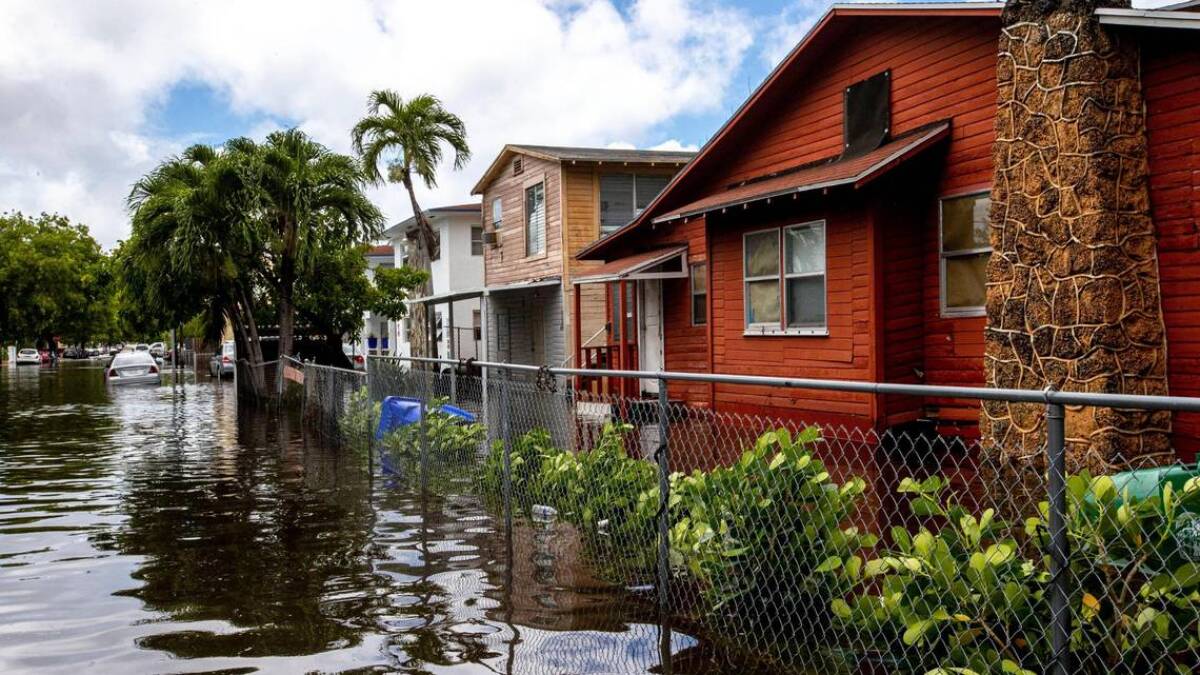
Water intrusion in Pompano Beach homes can happen quickly, especially during heavy rains, storms, or plumbing failures. Even small leaks, if left unchecked, can lead to significant structural damage, mold growth, and compromised indoor air quality. Early detection and professional water removal are crucial to protect your home and prevent costly repairs.
For homeowners in Pompano Beach and nearby areas including Lighthouse Point, Deerfield Beach, Margate, Coconut Creek, North Lauderdale, Lauderdale-by-the-Sea, and Fort Lauderdale, recognizing the early signs of water problems can save time, money, and stress.
What Water Removal Involves
Water removal is the professional process of extracting water from a home and thoroughly drying affected areas to prevent damage. Key steps include:
- Water Extraction – Using pumps, vacuums, and specialized equipment to remove standing water
- Drying and Dehumidification – Industrial air movers and dehumidifiers dry walls, floors, and structural components
- Cleaning and Sanitization – Preventing mold, mildew, and bacterial growth
- Damage Assessment and Repairs – Identifying and fixing compromised materials
- Full Restoration – Returning the home to its pre-damage condition
Professional water removal ensures thorough drying and protects against long-term structural and health issues.
Common Causes of Water Problems in Pompano Beach Homes
Several factors contribute to water intrusion in Pompano Beach properties:
- Heavy rainfall and storms – Overwhelm roofs, gutters, and drainage systems
- Roof leaks – Damaged shingles, flashing, or seals allow water to penetrate
- Plumbing leaks or burst pipes – Can flood floors, walls, and ceilings
- AC system condensation – Malfunctioning lines can leak water into walls or flooring
- Poor drainage or grading – Water pools near foundations and seeps inside
Understanding these causes helps homeowners take preventive measures and respond quickly when issues arise.
Early Signs You Should Not Ignore
Spotting water problems early is critical to prevent extensive damage. Watch for these warning signs:
- Water stains or discoloration on ceilings, walls, or baseboards
- Bubbling or peeling paint or wallpaper
- Damp or musty odors, especially in attics, crawl spaces, or basements
- Warped, soft, or buckled flooring
- Dripping water or pooling after storms or heavy rainfall
- Mold or mildew growth in corners, under cabinets, or behind walls
Even minor indicators should prompt a professional inspection to address hidden moisture before it causes bigger problems.
Hidden Areas Where Water Accumulates
Water often seeps into spaces that aren’t immediately visible:
- Wall cavities and behind baseboards
- Under carpets, tiles, or laminate flooring
- Attic insulation and roofline structures
- HVAC ducts and air handling units
- Crawl spaces, utility chases, or plumbing risers
Professional water removal services use specialized tools to detect and extract water from these hidden areas, preventing future issues.
Why DIY Water Removal Often Fails
Homeowners may attempt to remove water themselves, but DIY methods often fail because:
- Hidden moisture behind walls, ceilings, or floors is not addressed
- Structural components may remain damp, leading to rot or mold
- Mold spores may spread if water is not properly removed
- Industrial-grade drying and dehumidification equipment is required
Professional services ensure thorough water extraction, drying, and restoration for long-term safety.
Professional Water Removal Process
The standard process for water removal includes:
- Assessment – Identify the source and extent of water intrusion
- Water Extraction – Remove standing water using pumps and specialized vacuums
- Drying and Dehumidification – Industrial air movers and dehumidifiers dry affected areas
- Cleaning and Sanitization – Treat surfaces to prevent mold and bacterial growth
- Damage Repair – Replace or repair affected drywall, insulation, and flooring
- Final Inspection – Confirm all areas are dry and safe for occupancy
Companies like Pompano Mold Inspection and Testing provide water removal services tailored to Pompano Beach homes, ensuring thorough and efficient remediation.
Preventive Measures for Homeowners
After water removal, homeowners can take steps to minimize future problems:
- Inspect and maintain roofs, gutters, and downspouts regularly
- Ensure proper drainage around foundations and low-lying areas
- Service plumbing systems and AC condensate lines
- Install moisture barriers in attics, crawl spaces, and basements
- Conduct routine inspections after heavy rainfall or storms
Proactive maintenance helps prevent recurring water damage and reduces the risk of mold.
Benefits of Professional Water Removal
Professional water removal provides several advantages:
- Rapid and complete extraction of water
- Prevention of mold growth and indoor air quality issues
- Protection of walls, ceilings, flooring, and insulation
- Faster recovery compared to DIY methods
- Peace of mind knowing your home is safe and fully restored
Timely professional intervention minimizes long-term damage and ensures a safe living environment.
Why Local Expertise Matters
Water behavior in Pompano Beach homes is influenced by coastal humidity, frequent storms, and local building practices. Professionals familiar with Pompano Beach, Lighthouse Point, Deerfield Beach, Margate, Coconut Creek, North Lauderdale, Lauderdale-by-the-Sea, and Fort Lauderdale understand which areas are most vulnerable and how to address them efficiently.
Local expertise ensures inspections, water removal, drying, and restoration are tailored to South Florida homes.
A Calm, Practical Next Step for Homeowners
Recognizing the early signs of water problems and acting quickly is essential for protecting Pompano Beach homes. Professional water removal prevents structural damage, mold growth, and compromised indoor air quality.
Partnering with a trusted local provider like Pompano Mold Inspection and Testing ensures thorough water extraction, safe drying, and proper restoration, keeping your home protected in South Florida’s humid, storm-prone environment.