
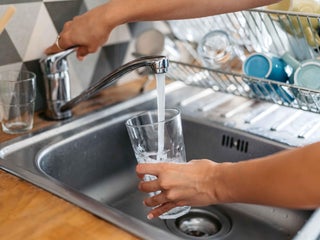
Water Testing Solutions for Homes in Fort Lauderdale: Risks and Prevention Methods
In Fort Lauderdale homes, water is everywhere—flowing through plumbing lines, running beneath slab foundations, and arriving daily from municipal and private sources. While most homeowners focus on visible leaks or flooding after storms, the quality and condition of the water itself often gets overlooked. Water testing is one of the most practical ways to understand what’s entering your home and how it may be affecting plumbing, materials, and indoor conditions.
Water testing isn’t about fear or worst-case assumptions. It’s about clarity. In South Florida’s humid, storm-prone environment, understanding water quality helps homeowners prevent damage, reduce moisture-related issues, and make informed decisions before small problems grow larger.
What Water Testing Really Means in Residential Homes
Water testing evaluates the characteristics of water entering or present inside a home. Depending on the situation, this may involve testing for contaminants, minerals, or signs of intrusion-related issues.
In Fort Lauderdale residences, water testing is commonly used to:
- Evaluate water from taps or fixtures
- Investigate water intrusion after leaks or flooding
- Identify conditions that support mold or corrosion
- Confirm whether water is clean, neutral, or problematic
Testing provides data, not assumptions. That information guides prevention and corrective steps.
Why Water Testing Matters in Fort Lauderdale
Fort Lauderdale’s environment presents unique challenges for residential water systems. Heavy rainfall, high humidity, and coastal conditions all influence how water behaves in and around homes.
Local factors that increase the importance of water testing include:
- Seasonal storms and flooding
- Aging plumbing in some neighborhoods
- Slab foundations that allow moisture migration
- AC systems producing constant condensation
- Salt air that can affect pipes and fittings
Even when water looks clear, underlying issues can exist that only testing can reveal.
Common Water-Related Risks in Fort Lauderdale Homes
Water testing often helps identify risks that aren’t immediately obvious. In residential homes, these risks tend to fall into a few key categories.
Plumbing Leaks and Seepage
Slow leaks under sinks, behind walls, or beneath slabs can introduce water into building materials. Testing helps determine whether moisture is clean, ongoing, or contributing to secondary problems.
Flooding and Storm Water Intrusion
After storms, water may enter homes through doors, windows, or foundation gaps. Testing helps assess whether that water poses a risk to materials or indoor conditions.
Mineral and Sediment Issues
Some homes experience mineral-heavy water that affects fixtures, appliances, and pipes over time. Testing identifies these characteristics so homeowners can plan accordingly.
Moisture Supporting Mold Growth
Water quality and moisture conditions are closely tied to mold risk. Testing helps identify whether water exposure may be contributing to mold-friendly environments.
Early Signs That Water Testing May Be Needed
Homeowners often overlook early indicators that water testing could be helpful. In Fort Lauderdale homes, common warning signs include:
- Unexplained dampness or recurring moisture
- Water stains that reappear after drying
- Musty or persistent odors
- Corrosion or scaling around fixtures
- Past flooding or leak events
These signs don’t always point to a serious issue, but they do suggest that more information would be useful.
Hidden Water Problems Inside the Home
One of the biggest reasons water testing matters is that water-related issues often stay hidden. Moisture can travel through materials and settle in places homeowners rarely see.
Professionals frequently encounter hidden water concerns in:
- Wall cavities near plumbing lines
- Beneath cabinets and flooring
- Around AC air handlers and drain pans
- Attics after roof leaks
- Areas affected by past, unnoticed water intrusion
Testing helps confirm whether moisture is active, residual, or resolved.
Why Visual Checks Aren’t Enough
Looking for leaks or stains only tells part of the story. Water problems can exist without visible damage, especially in humid climates like Fort Lauderdale.
Visual checks fall short because:
- Water can evaporate while leaving residues
- Moisture may remain trapped behind surfaces
- Some contaminants are invisible
- Odors may lag behind the actual issue
Water testing adds objective data to what homeowners see and smell.
Understanding the Water Testing Process
Water testing in residential homes follows a methodical process designed to answer specific questions, not create confusion.
Initial Assessment
Professionals review the home’s history, recent events, and areas of concern. This step helps determine what type of testing makes sense.
Sample Collection
Samples may be taken from taps, affected areas, or standing water depending on the situation. Sampling is targeted, not random.
Evaluation and Interpretation
Results are analyzed to determine whether water conditions are normal or contributing to moisture, material, or indoor air issues.
In Fort Lauderdale, water testing is often paired with moisture detection to provide a complete picture.
Local providers like Pompano Mold Inspection and Testing take a measured approach, using water testing when it provides real value and actionable insight.
Water Testing and Mold Prevention
Water testing plays an important role in mold prevention. Mold doesn’t grow without moisture, and understanding water conditions helps identify where that moisture is coming from.
Testing supports mold prevention by:
- Identifying ongoing water exposure
- Distinguishing clean water from problematic sources
- Guiding moisture control strategies
- Supporting targeted mold inspection when needed
This proactive approach often prevents the need for extensive mold remediation later.
Water Testing After Leaks or Flooding
After leaks or flooding, water testing helps confirm whether conditions inside the home have returned to normal. Even after visible water is removed, residues or moisture may remain.
Post-event water testing is often used to:
- Verify drying effectiveness
- Identify lingering moisture sources
- Support water damage repair decisions
- Reduce long-term risk
This is especially important in Fort Lauderdale, where humidity slows natural drying.
The Connection Between Water Testing and AC Systems
Air conditioning systems play a major role in residential moisture. Condensation from AC units can introduce water into walls, ceilings, and closets.
Water testing and moisture detection help determine whether AC-related water is contributing to broader issues. When paired with AC moisture repair and duct evaluation, testing supports long-term prevention.
Practical Prevention Methods for Homeowners
While water testing provides clarity, prevention reduces the need for future intervention. Fort Lauderdale homeowners can lower water-related risks by:
- Addressing leaks promptly
- Maintaining plumbing and AC systems
- Monitoring areas prone to moisture
- Ensuring proper drainage around the home
- Scheduling periodic inspections
These steps work best when guided by accurate information from testing.
Why Local Experience Matters in Fort Lauderdale
Water behavior in coastal South Florida differs from inland regions. Local experience matters because professionals understand how storms, humidity, and construction styles affect water movement.
Local specialists recognize patterns specific to Fort Lauderdale neighborhoods and know where water issues commonly originate. Pompano Mold Inspection and Testing brings that regional insight, focusing on practical evaluation rather than assumptions.
A Calm, Informed Next Step
Water testing isn’t about chasing problems—it’s about understanding conditions. For Fort Lauderdale homeowners, testing provides confidence that water inside the home isn’t quietly causing damage or increasing risk.
If your home has experienced leaks, flooding, or persistent moisture, water testing can help clarify what’s happening beneath the surface. With accurate information, prevention becomes easier, repairs become more targeted, and your home stays better protected against Florida’s ever-present moisture challenges.
