Water Testing Solutions for Homes in Lauderdale-by-the-Sea: Costs, Causes, and Solutions
Homes in Lauderdale-by-the-Sea are surrounded by coastal air, high humidity, and seasonal storms. These environmental conditions can affect not only structures but also the quality of water used inside the home. Whether the concern involves plumbing contamination, floodwater intrusion, or concerns about water quality after storms, water testing is an important step in protecting both property and indoor conditions.
Understanding the causes of water quality concerns, the typical costs involved, and the available solutions helps homeowners and property managers make informed decisions about maintaining safe and reliable water systems.
What Water Testing Is
Water testing is the process of analyzing water to determine whether contaminants, bacteria, or other unwanted substances are present. Testing may be performed on:
- Tap water
- Well or supply lines
- Flood-affected water
- Plumbing systems after leaks
- Water used in appliances or HVAC systems
Testing helps identify problems that are not visible and ensures that the water system inside a home is functioning properly.
Why Water Testing Is Important in Lauderdale-by-the-Sea
Coastal communities face several conditions that make water testing especially important.
Homes in Lauderdale-by-the-Sea often experience:
- Storm-related flooding or water intrusion
- High humidity and condensation in plumbing systems
- Aging plumbing components in older homes
- Mineral deposits and corrosion
- Occasional contamination from standing water after storms
Nearby areas such as Fort Lauderdale, Lighthouse Point, and Pompano Beach face similar challenges, making water testing a common part of property maintenance in Broward County.
Common Causes of Water Quality Problems
Several issues can affect water quality in residential properties.
Plumbing Leaks and Corrosion
Older pipes may corrode over time, allowing rust or sediment to enter the water supply.
Flooding or Storm Damage
Floodwater can introduce contaminants into plumbing systems or appliances if water enters living areas.
Sediment and Mineral Buildup
Coastal environments sometimes contribute to mineral accumulation in pipes and fixtures.
Bacterial Growth in Standing Water
Water that remains in unused plumbing lines or appliances can develop bacterial contamination.
HVAC and Drainage Issues
Condensation from air conditioning systems can sometimes affect surrounding areas, requiring testing to ensure no contamination has spread.
Signs That Water Testing May Be Needed
Many homeowners first consider water testing after noticing warning signs such as:
- Unusual odor or taste in water
- Discoloration or cloudy appearance
- Stains on fixtures or sinks
- Slow plumbing drainage after storms
- Musty odors near water sources
Even when these signs are mild, testing helps confirm whether a problem exists.
Hidden Risks That Water Testing Can Detect
Some water quality issues are not visible or noticeable without testing. These include:
- Bacteria or microbial contamination
- Sediment or mineral buildup
- Contaminants introduced during flooding
- Residues from deteriorating plumbing
Because these problems may not produce immediate symptoms, testing provides valuable information about the condition of the water supply.
Typical Costs of Water Testing
The cost of water testing varies depending on the type of testing required and the complexity of the situation.
Factors affecting cost include:
- Number of samples required
- Type of analysis performed
- Accessibility of plumbing systems
- Need for additional moisture or mold inspections
Basic testing is generally more affordable than comprehensive testing after flood damage or contamination concerns. Addressing issues early often prevents larger restoration costs later.
Professional Water Testing Process
Professional water testing typically follows several steps to ensure accurate results.
Step 1: Initial Inspection
Technicians evaluate plumbing systems, water sources, and areas affected by leaks or flooding.
Step 2: Sample Collection
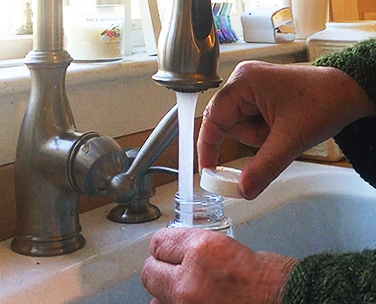
Water samples are carefully collected to avoid contamination and ensure accurate analysis.
Step 3: Laboratory Analysis
Samples are tested for contaminants, bacteria, or mineral content depending on the situation.
Step 4: Results and Recommendations
Once results are available, technicians recommend appropriate solutions if problems are detected.
Companies such as Pompano Mold Inspection and Testing often assist homeowners in Lauderdale-by-the-Sea by performing water testing and identifying related moisture issues.
Solutions After Water Testing
If testing identifies a problem, several solutions may be recommended depending on the cause.
Plumbing Repairs
Fixing leaks or replacing damaged pipes prevents contamination from recurring.
Water Filtration Systems
Filtration systems help remove sediment, minerals, or impurities from household water.
Structural Drying and Cleaning
If contamination is linked to flooding or leaks, drying and cleaning affected areas helps restore safe conditions.
Sanitizing Plumbing Systems
Flushing and sanitizing pipes may be recommended when bacterial contamination is suspected.
These solutions help restore water quality and prevent future issues.
Water Damage and Moisture Control
Water quality problems are often connected to moisture issues within the home. Flooding, leaks, or condensation can affect both structural materials and water systems.
Water damage restoration may include:
- Removing standing water
- Drying affected materials
- Repairing damaged surfaces
- Preventing mold growth
Addressing both water quality and moisture problems ensures a complete solution.
HVAC Systems, Humidity, and Water Concerns
Air conditioning systems in Lauderdale-by-the-Sea homes produce condensation that must drain properly. When drainage systems fail, moisture may accumulate and contribute to water-related problems.
Signs of HVAC-related moisture concerns include:
- Water near air handlers
- Musty odors when the AC runs
- High indoor humidity
Inspecting these systems helps prevent both moisture damage and water quality concerns.
Preventing Water Quality Problems in Coastal Homes
Property owners can reduce the risk of water-related problems by following preventative steps:
- Inspect plumbing regularly
- Maintain water heaters and appliances
- Clean gutters and improve drainage
- Service HVAC systems annually
- Schedule periodic water and moisture inspections
Routine maintenance helps detect small issues before they become serious problems.
Why Local Experience Matters
Water testing in coastal environments requires understanding local conditions. Professionals familiar with Lauderdale-by-the-Sea understand:
- How storms affect plumbing and water systems
- Common corrosion patterns in coastal areas
- Moisture behavior in humid climates
- Typical construction methods in Broward County homes
This knowledge helps ensure testing and solutions are accurate and effective.
A Practical Next Step for Property Owners
Water quality problems are not always visible, but they can affect both property condition and indoor environments. Testing provides clarity and helps homeowners make informed decisions about repairs and maintenance.
Homeowners and property managers in Lauderdale-by-the-Sea often rely on experienced local providers such as Pompano Mold Inspection and Testing to perform water testing, locate hidden moisture, and recommend practical solutions. Early testing helps prevent larger problems and keeps homes safe and comfortable year-round.