Water Testing Solutions for Homes in Lauderdale-by-the-Sea: Professional Insights
Water quality and moisture conditions play an important role in maintaining safe and comfortable homes in Lauderdale-by-the-Sea. Coastal environments bring unique challenges, including high humidity, salt air exposure, storm-related flooding, and plumbing issues. These factors can affect both the quality of household water and the moisture levels inside building materials. Water testing helps homeowners detect hidden problems, identify contamination risks, and prevent structural damage before it becomes severe.
What Water Testing Means for Homeowners
Water testing involves evaluating both water quality and moisture conditions within a home. The goal is to determine whether water is safe to use, whether hidden leaks are present, and whether moisture conditions could lead to mold growth.
Water testing may include:
- Sampling water for analysis
- Measuring moisture levels in walls and flooring
- Checking plumbing and fixtures for leaks
- Inspecting HVAC systems and drain lines
- Evaluating humidity levels indoors
These steps help provide a clear understanding of water and moisture conditions inside a home.
Why Water Issues Are Common in Lauderdale-by-the-Sea
Homes in Lauderdale-by-the-Sea are exposed to environmental conditions that increase the likelihood of water-related problems:
- Coastal humidity that slows evaporation
- Heavy seasonal rains and storms
- Salt air that can accelerate pipe and fixture wear
- Roof leaks caused by wind-driven rain
- Continuous air-conditioning use causing condensation
These conditions make regular inspection and water testing especially important.
Early Signs That Water Testing May Be Needed
Water-related issues often begin with subtle warning signs. Homeowners should watch for:
- Musty or damp odors
- Discoloration or unusual taste in tap water
- Water stains on ceilings or walls
- Peeling paint or bubbling drywall
- Increased indoor humidity
These signs often indicate moisture or water quality concerns that should be investigated.
Hidden Sources of Water Problems
Water intrusion or contamination often begins in areas that are not visible. Inspectors in coastal homes frequently find issues in:
- Plumbing lines inside walls
- Beneath sinks and appliances
- Attic insulation after roof leaks
- Air handler closets and condensate drain lines
- Subfloor materials beneath tile or carpet
Because these areas are concealed, problems can persist without obvious symptoms.
Why Professional Water Testing Matters
Water testing provides accurate information that cannot be obtained through visual inspection alone. Professional testing helps:
- Identify hidden moisture sources
- Detect water quality concerns
- Locate slow leaks before major damage occurs
- Evaluate humidity conditions that promote mold growth
Pompano Mold Inspection and Testing often performs water testing and moisture inspections in Lauderdale-by-the-Sea and surrounding Broward County communities, helping homeowners understand water conditions and necessary corrective steps.
Professional Water Testing Process Explained
A professional water testing inspection typically follows a structured approach.
Step 1: Visual Inspection
Technicians inspect plumbing fixtures, appliances, and moisture-prone areas.
Step 2: Moisture Detection
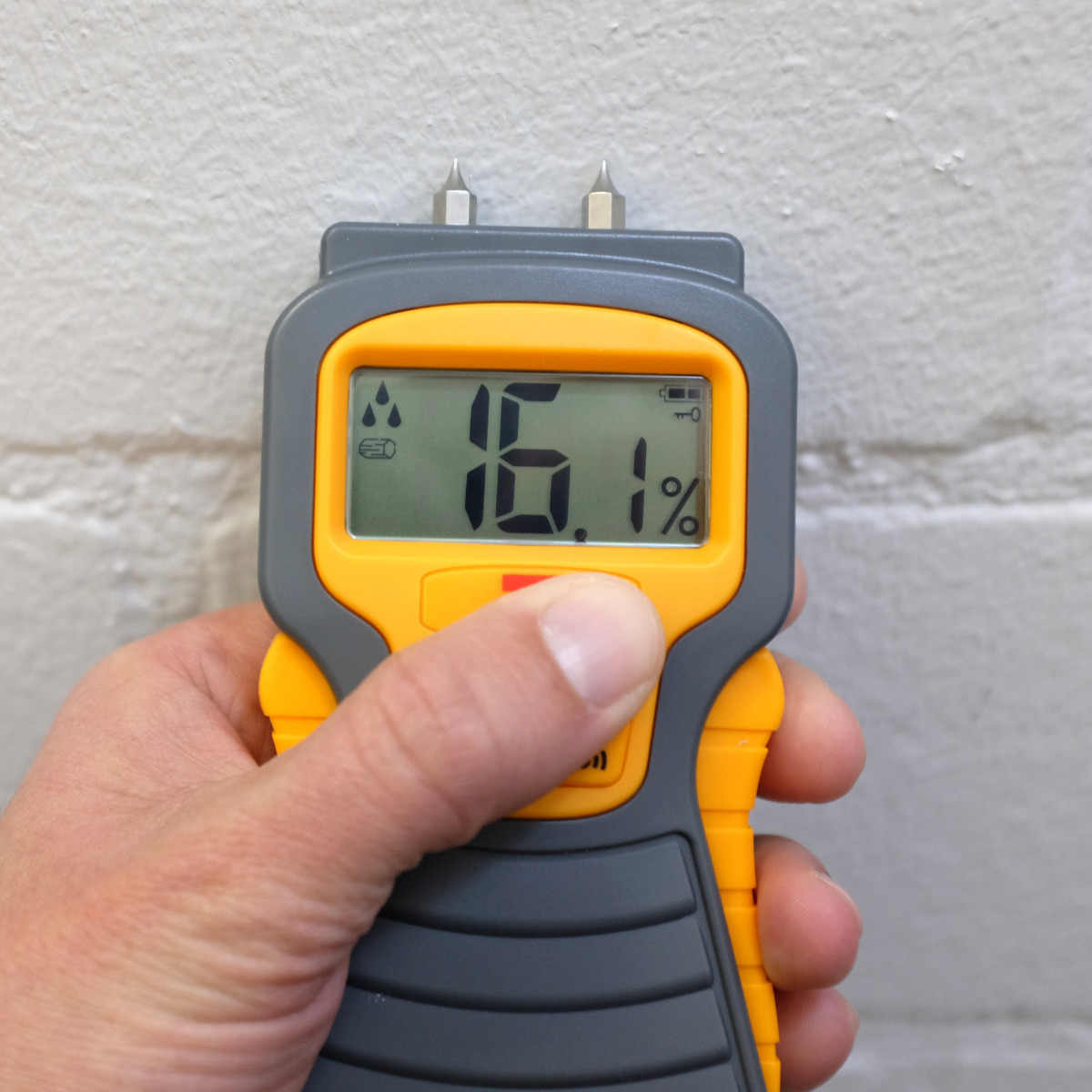
Moisture meters are used to locate hidden dampness in walls, ceilings, and flooring.
Step 3: Water Sampling (When Needed)
Water samples may be collected to evaluate quality and possible contamination.
Step 4: HVAC and Drainage Inspection
Air conditioning systems, ducts, and drain lines are checked for leaks or condensation.
Step 5: Evaluation and Recommendations
Homeowners receive clear information about water conditions and recommended steps.
This process helps identify both immediate problems and potential risks.
Mold Risks Linked to Water Issues
Water and moisture problems often lead to mold growth if they are not addressed. Mold may develop in:
- Behind drywall
- Under flooring
- Inside duct systems
- Attic insulation
If mold is detected, remediation may include removing contaminated materials, cleaning surfaces, and thoroughly drying affected areas.
Water Damage Repair After Testing
Water testing sometimes reveals damage that requires repairs or restoration. This may involve:
- Water extraction
- Structural drying
- Repairing drywall or insulation
- Monitoring moisture levels
Addressing both the leak and the moisture helps prevent recurring problems.
HVAC Systems and Indoor Air Quality
Air conditioning systems play a major role in controlling humidity in Lauderdale-by-the-Sea homes. Moisture problems may occur if:
- Condensate drain lines become clogged
- Duct insulation becomes damp
- Air filters restrict airflow
Routine maintenance helps maintain indoor air quality and prevent moisture buildup.
Prevention Tips for Homeowners
Homeowners in Lauderdale-by-the-Sea can reduce water-related risks by following practical steps:
- Inspect plumbing fixtures regularly
- Maintain roofs and flashing
- Keep gutters and drainage systems clear
- Monitor indoor humidity levels
- Address leaks immediately
Routine maintenance often prevents small problems from becoming major repairs.
Why Local Experience Matters
Water testing in coastal South Florida requires an understanding of local climate and building conditions. Professionals familiar with Lauderdale-by-the-Sea understand:
- How coastal humidity affects building materials
- Typical plumbing and roofing issues in Broward County homes
- Common moisture patterns after storms
This local knowledge helps inspections and testing be more accurate and effective.
A Practical Next Step for Homeowners
Water testing is an important step in protecting homes from hidden moisture and water quality issues. Identifying problems early helps prevent mold growth, structural damage, and costly repairs.
With regular inspections, proper maintenance, and humidity control, homeowners in Lauderdale-by-the-Sea can keep their homes dry, comfortable, and protected from water-related problems.