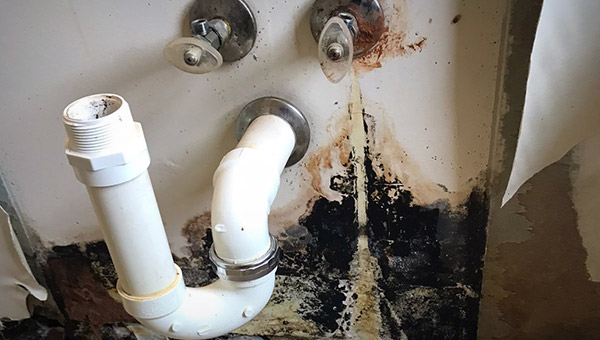
What Property Owners Should Know: Mold Removal in North Lauderdale After Plumbing Leaks
Plumbing leaks are one of the most common causes of mold problems in North Lauderdale homes and rental properties. A leaking pipe, faulty appliance connection, or slow drip behind a wall may seem minor at first, but moisture trapped in building materials can quickly create conditions where mold begins to develop. Because Florida’s humid climate slows drying, even small leaks can lead to widespread damage if not addressed promptly.
Understanding how mold develops after plumbing leaks, how removal works, and how to prevent future problems helps property owners protect both their buildings and indoor air quality.
How Plumbing Leaks Lead to Mold Problems
When plumbing leaks occur, water often spreads far beyond the visible source. Moisture can travel along framing, soak into drywall, and remain trapped under flooring or inside cabinets. If materials remain damp for an extended period, mold may begin to grow on organic surfaces such as wood, drywall paper, and insulation.
In North Lauderdale properties, plumbing-related mold is often found in:
- Bathroom walls and vanities
- Kitchen cabinets and under sinks
- Laundry rooms
- Ceiling cavities below leaking pipes
- Flooring near water heaters or appliances
Because these areas are enclosed, moisture may remain unnoticed until odors or staining appear.
Why This Is Common in North Lauderdale
North Lauderdale and nearby communities such as Margate, Coconut Creek, Deerfield Beach, Pompano Beach, Lighthouse Point, Lauderdale-by-the-Sea, and Fort Lauderdale experience climate conditions that increase mold risk.
Several factors contribute to mold growth after plumbing leaks:
- High humidity that slows drying
- Warm temperatures that allow moisture to linger
- Continuous AC operation masking humidity levels
- Enclosed wall cavities and cabinets trapping moisture
Because drying takes longer in humid climates, leaks that might dry quickly in other regions can remain damp long enough for mold to develop.
Early Signs of Mold After Plumbing Leaks
Property owners often notice small warning signs before mold growth becomes visible.
Common early indicators include:
- Musty or damp odors
- Peeling paint or bubbling drywall
- Warped cabinet panels or baseboards
- Water stains on walls or ceilings
- Persistent humidity in one area
- Dark spots appearing near plumbing areas
These signs often indicate hidden moisture and possible mold growth.
Hidden Areas Where Mold Often Develops
Professional inspections frequently uncover mold in areas that are not visible during routine cleaning, including:
- Behind bathroom or kitchen walls
- Under flooring or carpet padding
- Inside cabinet bases
- Around plumbing penetrations
- Inside ceiling cavities
Because these areas remain enclosed, mold growth may continue unnoticed until the problem spreads.
Why Immediate Mold Removal Is Important
Addressing mold promptly provides several important benefits.
Prevents Structural Damage
Mold can weaken drywall, wood, and insulation over time if moisture remains present.
Improves Indoor Air Quality
Removing contaminated materials helps reduce odors and airborne particles.
Prevents Mold from Spreading
Mold colonies may expand into adjacent materials if not removed properly.
Reduces Long-Term Repair Costs
Early removal and drying often prevent larger restoration projects later.
Understanding the Mold Removal Process
Professional mold removal typically follows a structured process designed to correct both contamination and moisture sources.
Inspection and Moisture Detection
The process begins with identifying the source of the plumbing leak and locating areas affected by moisture. Moisture meters and thermal imaging tools help detect hidden dampness.
Containment of Affected Areas
When necessary, affected areas may be isolated to prevent dust or particles from spreading during cleanup.
Removal of Damaged Materials
Wet drywall, insulation, or other materials that cannot be dried safely may be removed.
Cleaning and Surface Treatment
Structural surfaces are cleaned to remove contamination and restore clean conditions.
Drying and Dehumidification
Air movers and dehumidifiers are used to remove remaining moisture and restore safe humidity levels.
Final Moisture Verification
Moisture levels are checked to confirm that materials are dry before repairs are completed.
Pompano Mold Inspection and Testing assists homeowners and property managers in North Lauderdale by identifying moisture sources, evaluating mold problems, and recommending effective removal and drying solutions.
Common Causes of Plumbing Leaks Leading to Mold
Understanding the most common causes helps property owners prevent future problems.
Leaking Supply Lines
Flexible hoses under sinks or behind appliances may weaken or loosen over time.
Drain Line Failures
Cracked or loose drain lines may allow slow leaks to go unnoticed.
Water Heater Leaks
Aging water heaters may develop leaks around fittings or tanks.
Appliance Leaks
Dishwashers, washing machines, and refrigerators can release water slowly over time.
Poorly Sealed Fixtures
Improper sealing around sinks or tubs may allow water to seep into cabinets or walls.
Air Ducts, HVAC Systems, and Plumbing Leaks
Moisture from plumbing leaks can sometimes spread into nearby air ducts or HVAC components. When this happens, odors may circulate through the home and airflow may be affected.
Maintenance steps may include:
- Inspecting ducts for moisture
- Cleaning ducts if debris or dust accumulates
- Checking condensate drain lines
- Ensuring proper airflow and ventilation
Maintaining HVAC systems helps prevent additional moisture problems.
Flood Restoration and Water Damage Considerations
In some cases, plumbing leaks cause enough water intrusion to require restoration work. Water removal and structural drying help prevent further damage and reduce the likelihood of mold growth.
Restoration steps may include:
- Water extraction
- Structural drying
- Moisture monitoring
- Repairing materials after drying
Prompt drying significantly reduces long-term damage.
Prevention Tips for Property Owners
Property owners can take several steps to reduce the risk of mold after plumbing leaks.
Helpful prevention methods include:
- Inspecting under sinks and appliances regularly
- Replacing aging hoses and connectors
- Monitoring water pressure
- Repairing small leaks promptly
- Scheduling periodic moisture inspections
- Ensuring proper ventilation in bathrooms and kitchens
Routine maintenance helps identify problems before they become serious.
Why Local Experience Matters
Homes in North Lauderdale face environmental conditions that differ from many other regions. High humidity, frequent storms, and long cooling seasons influence how moisture behaves inside building materials. Professionals familiar with Broward County homes understand common moisture pathways and can identify problems more efficiently.
Local experience helps ensure mold removal and drying methods are effective for the climate and construction styles in the area.
Calm, Trust-Based Call to Action
If your property has experienced a plumbing leak, even a small one, inspecting for hidden moisture and mold can prevent serious damage and costly repairs. Early action helps protect structural materials, maintain indoor comfort, and preserve property value.
Pompano Mold Inspection and Testing works with homeowners and property managers throughout North Lauderdale and nearby communities to locate hidden moisture, evaluate mold concerns, and recommend practical solutions to restore clean, dry indoor environments.