Why Carpet Cleaning After Water Damage Matters in Margate After Plumbing Leaks
Plumbing leaks are one of the most common causes of indoor water damage in Margate homes. A small pipe leak under a sink, a washing machine hose failure, or a slow drip behind a wall can release enough water to soak carpeting and padding within minutes. While many homeowners focus on drying visible water, carpets often hold moisture long after surfaces appear dry.
Carpet cleaning after water damage is not just about appearance—it plays a major role in preventing odors, structural damage, and long-term moisture problems. Understanding why proper cleaning matters helps homeowners protect their property and avoid larger repairs later.
What Happens to Carpet After a Plumbing Leak
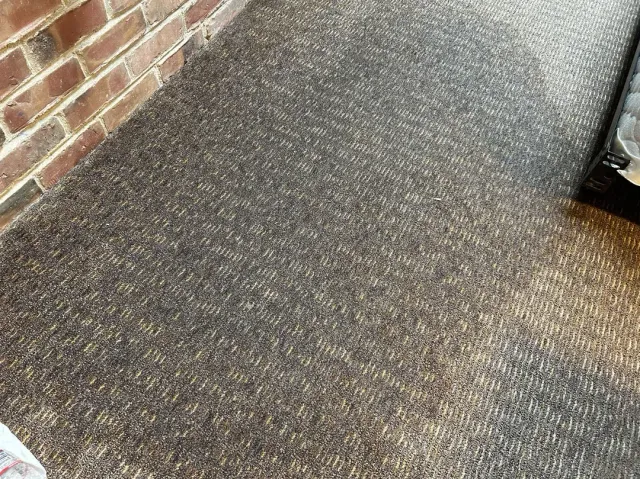
Carpet fibers and padding are highly absorbent. When water enters the home, it quickly spreads through the carpet backing and into the padding beneath. In many cases, moisture also reaches the subfloor, where it can remain trapped for days if not properly dried.
Even a small leak can result in:
- Damp padding that retains moisture
- Odors developing within 24–48 hours
- Staining or discoloration
- Bacteria or mold growth in hidden layers
Because the padding is not visible, homeowners often underestimate how much water remains after a leak.
Why Plumbing Leaks Are Common in Margate Homes
Margate’s housing includes a mix of older and newer properties, and both can experience plumbing-related moisture problems.
Several factors increase the risk:
- Aging pipes in older homes
- High water usage in multi-bathroom properties
- Appliance hose failures
- Water heater leaks
- AC condensation lines running near flooring
- Humidity slowing the drying process
Nearby communities such as Coconut Creek, North Lauderdale, and Deerfield Beach face similar conditions, especially during the humid summer months when indoor moisture levels remain high.
Common Signs Carpet Has Been Affected by Water Damage
Water-damaged carpet does not always look soaked. Often, the first signs are subtle. Homeowners may notice:
- A musty or damp odor
- Carpet that feels slightly cool or clammy
- Darkening or uneven coloration
- Edges of carpet lifting or curling
- Increased indoor humidity
These signs often indicate that moisture is still present below the surface.
Hidden Problems Beneath the Carpet
One of the biggest risks after a plumbing leak is moisture trapped in the layers beneath the carpet. Padding acts like a sponge and can remain wet long after the surface dries.
Hidden moisture can lead to:
- Mold growth inside padding
- Damage to wooden subfloors
- Warping or weakening of flooring materials
- Persistent odors that return even after cleaning
Without professional drying and cleaning, these hidden issues can worsen over time.
Why DIY Carpet Drying Often Falls Short
Many homeowners attempt to dry carpets using fans or household vacuums. While these methods can help with surface moisture, they rarely remove water trapped in padding or subfloors.
Household equipment typically cannot:
- Extract deep moisture
- Measure moisture levels accurately
- Dry large areas evenly
- Prevent odor development
Incomplete drying is one of the main reasons water-damaged carpets develop mold or recurring odors weeks later.
How Professional Carpet Cleaning Helps After Water Damage
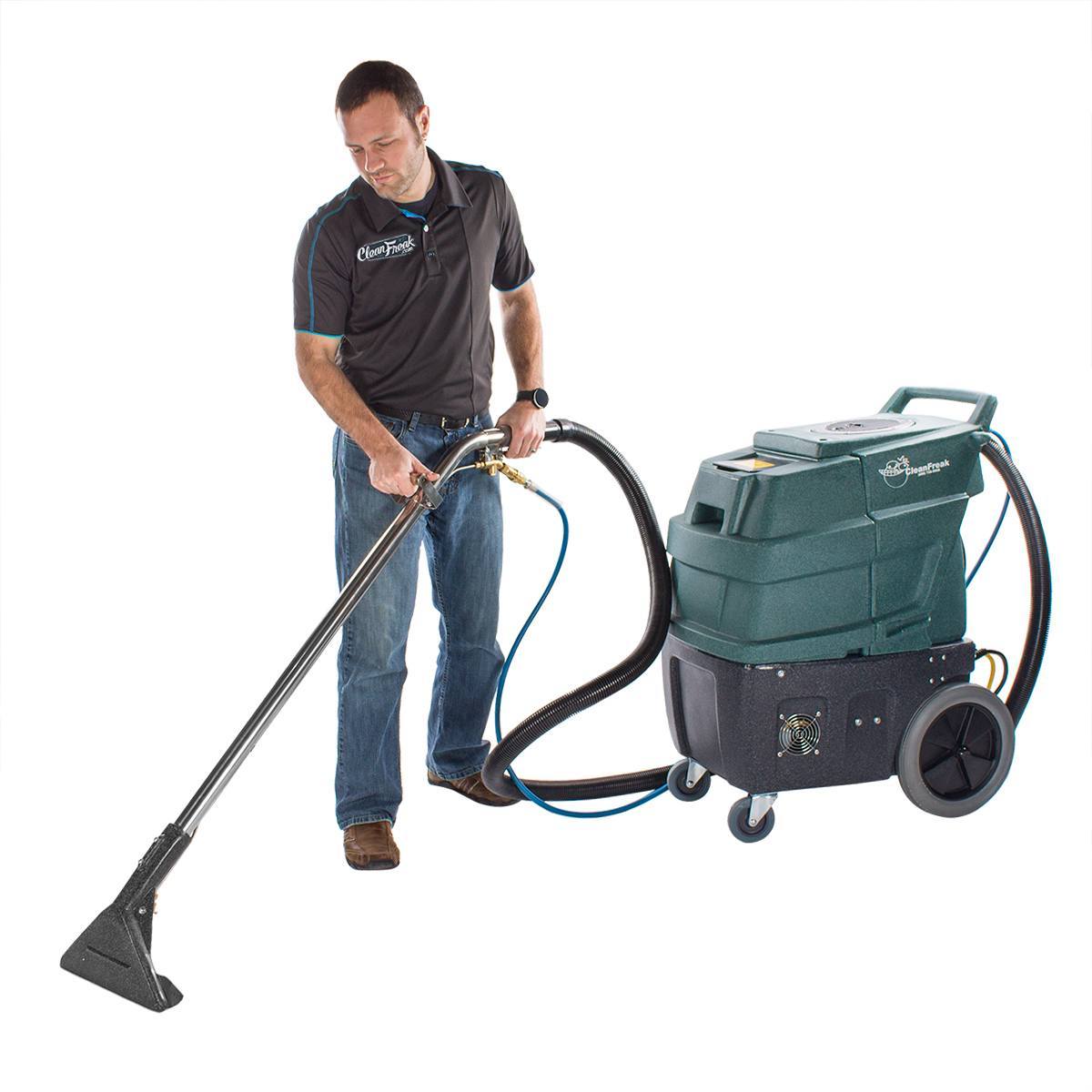
Professional carpet cleaning following water damage involves more than standard steam cleaning. The process focuses on removing moisture, contaminants, and odor-causing particles from deep within the carpet and padding.
Typical steps include:
- High-powered water extraction
- Controlled drying with air movers and dehumidifiers
- Cleaning and sanitizing affected areas
- Odor treatment if necessary
- Moisture testing to confirm proper drying
This process helps restore carpets safely and prevents long-term damage.
Mold Inspection and Testing After Carpet Water Damage
Carpet that remains damp for extended periods creates conditions ideal for mold growth. Mold can begin developing within 24 to 48 hours in warm, humid environments like Margate.
Mold inspection may be recommended when:
- Odors persist after drying
- Water damage affected a large area
- Moisture remained for more than a day
- Padding or subfloor was saturated
Professionals such as Pompano Mold Inspection and Testing, serving Margate and nearby Broward County communities, often evaluate moisture conditions and check for hidden mold growth after plumbing leaks to ensure that restoration is complete.
Mold Removal and Remediation if Needed
If mold is discovered beneath carpeting or in surrounding materials, remediation may be required. This process typically includes:
- Containing the affected area
- Removing contaminated padding or materials
- Cleaning and treating surfaces
- Drying and verifying moisture levels
Addressing mold early helps prevent it from spreading to walls, baseboards, or adjacent rooms.
The Role of Water Removal and Drying
Carpet cleaning is only one part of a complete restoration process. Effective water removal and drying are essential to prevent structural problems.
Professional drying equipment helps remove moisture from:
- Carpet fibers
- Padding and underlayment
- Subfloors
- Baseboards and nearby walls
Proper drying reduces the risk of mold and ensures that carpets remain usable rather than needing full replacement.
Air Ducts, Humidity, and Odor After Water Damage
After plumbing leaks, indoor humidity often rises. Air conditioning systems may circulate moist air, spreading odors throughout the home.
Moisture can also affect:
- Air ducts near damp flooring
- HVAC return vents
- Closet and storage areas
Inspection of ventilation and airflow helps ensure that damp air does not continue circulating after restoration.
How to Prevent Carpet Damage After Plumbing Leaks
While leaks cannot always be prevented, homeowners in Margate can reduce the risk of severe carpet damage by taking quick action:
- Shut off the water supply immediately
- Remove standing water as soon as possible
- Increase ventilation and airflow
- Lift small rugs or furniture from wet areas
- Schedule professional drying and cleaning quickly
Routine plumbing inspections and appliance hose checks also help reduce the chance of unexpected leaks.
Why Local Experience Matters
Restoration work in South Florida requires understanding how humidity affects drying times and moisture behavior. Homes in Margate, Pompano Beach, and Lauderdale-by-the-Sea often require longer drying periods because high outdoor humidity slows evaporation.
Professionals familiar with local climate conditions know how to adjust drying techniques and moisture control strategies to ensure carpets and structures dry completely.
A Practical Next Step for Homeowners
Plumbing leaks can happen unexpectedly, but quick response and proper cleaning make a major difference in preventing long-term damage. Addressing moisture promptly, ensuring carpets are properly cleaned and dried, and inspecting for hidden problems help protect both flooring and indoor air quality.
Taking these steps allows homeowners in Margate to restore their homes safely and avoid recurring moisture issues in the future.