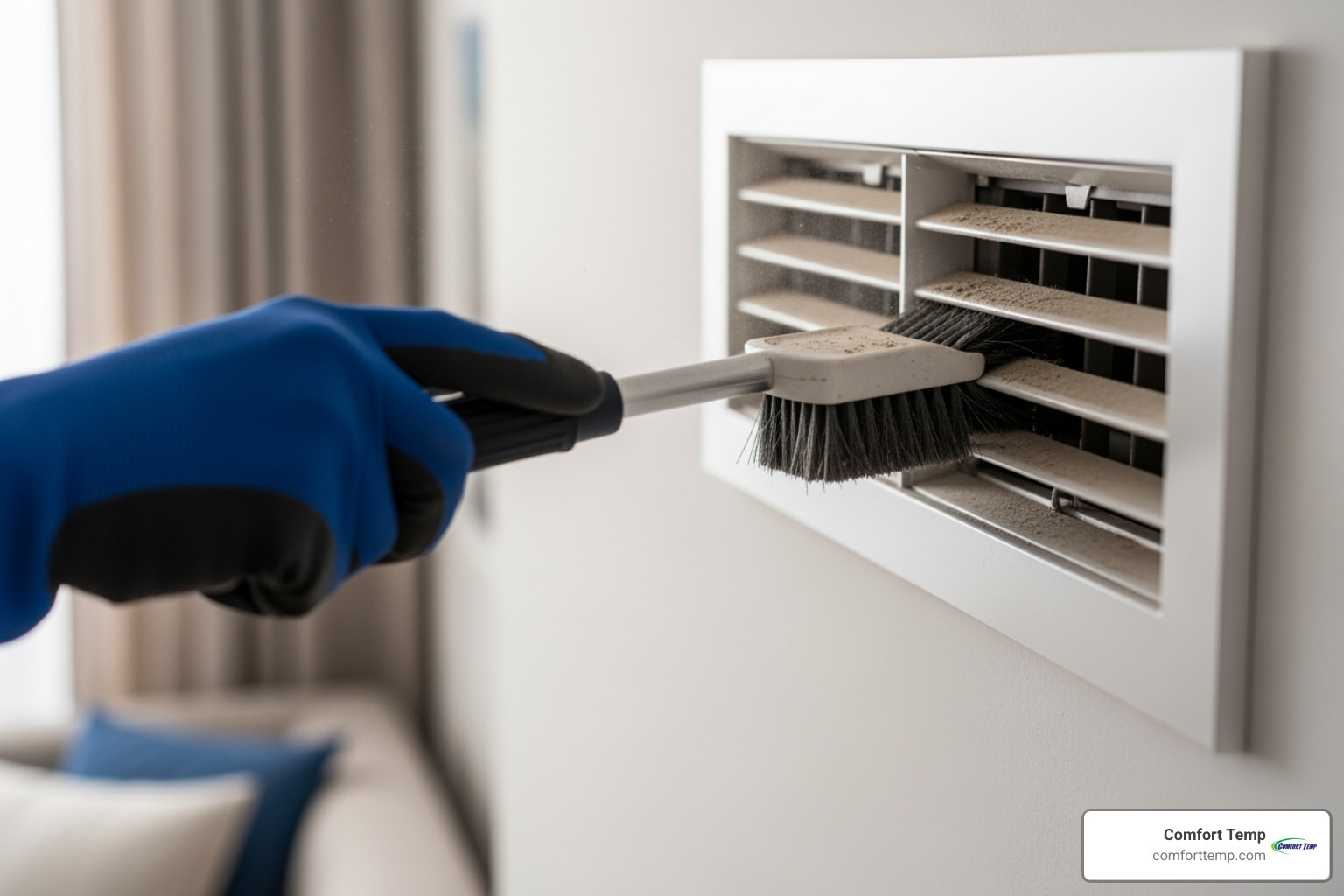
Why Duct Cleaning Matters in Lauderdale-by-the-Sea in Older Homes
Older homes in Lauderdale-by-the-Sea have a character and charm that newer construction often lacks. Many properties near the coast were built decades ago, long before modern building materials, insulation methods, and HVAC standards became common. While these homes offer a unique living experience, they also come with maintenance challenges—especially when it comes to air ducts and indoor air quality.
Duct cleaning is often overlooked because it isn’t visible day to day. However, in older homes, ducts can collect dust, moisture, debris, and even microbial growth over time. Understanding why duct cleaning matters helps homeowners protect both their property and their indoor environment.
What the Duct Issue Is
Air ducts are responsible for moving conditioned air throughout a home. Over the years, these systems naturally collect:
- Dust and fine debris
- Sand and salt particles carried from the coastal air
- Insulation fibers
- Pet dander
- Moisture from humidity and condensation
In older homes, ducts may also have small leaks, aging insulation, or outdated materials that make buildup happen faster. Once debris accumulates, airflow becomes restricted and the HVAC system works harder than necessary.
Why This Happens So Often in Lauderdale-by-the-Sea
Living near the ocean has many benefits, but the environment creates ideal conditions for duct contamination.
High humidity is a constant factor in coastal Broward County. Moisture can enter duct systems through vents, condensation, or small gaps in aging ductwork. When humidity mixes with dust, buildup sticks to duct surfaces rather than moving through the system.
Seasonal storms and heavy rains also contribute. After a storm, indoor humidity levels can remain elevated for days, especially in older homes that lack modern moisture barriers or ventilation systems.
Salt in the coastal air is another factor. Fine salt particles can enter homes and gradually settle inside ductwork, especially in properties close to the shoreline.
Common Signs Homeowners Notice
Many homeowners don’t immediately suspect ducts when indoor conditions change. However, several signs can indicate a buildup inside the system:
- Dust appearing quickly after cleaning
- Uneven cooling between rooms
- Musty or stale odors when the AC runs
- Increased allergy-like irritation indoors
- Higher energy bills without obvious cause
In older properties, these signs are often gradual. Because they develop slowly, homeowners sometimes assume they are normal for older homes, even though the underlying cause can often be addressed.
Hidden or Overlooked Sources
Older homes often contain duct issues that aren’t obvious during daily use. Some of the most common hidden problems include:
Aging duct insulation
Over time, insulation inside ducts can break down and circulate particles into the air.
Loose duct connections
Older systems may have joints that loosen over the years, allowing attic dust or crawlspace debris to enter.
Condensation buildup
When humid air meets cold duct surfaces, condensation forms. This moisture can trap dust and create ideal conditions for microbial growth.
Attic air infiltration
In many older homes, ducts run through attics where temperatures and dust levels are high. Small leaks allow contaminants to enter continuously.
Why DIY Duct Cleaning Usually Fails
Some homeowners attempt to clean vents themselves using household vacuums or brushes. While this may remove visible dust near vent openings, it rarely addresses the deeper sections of the system.
Professional duct cleaning uses specialized equipment designed to:
- Reach the full length of the duct network
- Dislodge buildup from interior surfaces
- Capture debris safely without spreading it indoors
Without this equipment, most debris remains in place. In some cases, improper cleaning can actually push contaminants further into the system.
Professional Mold Inspection & Testing Explained
In humid regions like Lauderdale-by-the-Sea, duct cleaning is sometimes combined with inspection and testing, especially when odors or moisture are present.
Professionals evaluate:
- Interior duct surfaces
- Air handler components
- Drain lines and condensation areas
- Humidity levels and airflow patterns
If microbial growth is suspected, testing helps confirm the source and determine the correct remediation approach. Companies such as Pompano Mold Inspection and Testing often perform these assessments in older Broward County homes where moisture history is common.
Proper Mold Removal & Remediation Process
If contamination is found, cleaning alone may not be enough. A proper remediation process typically includes:
- Containment of affected areas
- Removal of contaminated materials when necessary
- Cleaning and treatment of duct surfaces
- Moisture control to prevent recurrence
The key is addressing the cause, not just the symptoms. Without controlling humidity or repairing leaks, buildup can return quickly.
Flood Restoration & Water Damage Repair
Older coastal homes are especially vulnerable to water intrusion from storms, plumbing issues, or roof leaks. When water enters a home, ducts can become affected even if flooding isn’t severe.
Moisture inside ducts can remain trapped for long periods, particularly in systems with limited airflow. Restoration professionals focus on:
- Drying affected materials
- Inspecting hidden cavities
- Cleaning ducts when necessary
- Repairing damaged components
These steps help prevent long-term issues that might otherwise remain hidden.
Air Ducts, AC Systems & Mold
Air conditioning systems play a major role in moisture control in South Florida homes. However, when AC systems develop drainage issues or airflow problems, moisture can accumulate inside ducts.
Common contributing factors include:
- Clogged condensate lines
- Improper insulation
- Dirty evaporator coils
- Restricted airflow
Routine inspection and maintenance of both ducts and AC systems help reduce these risks. In many Lauderdale-by-the-Sea homes, the HVAC system runs most of the year, which makes preventive care especially important.
How to Prevent Mold in Lauderdale-by-the-Sea Homes
Preventive maintenance is often simpler and less costly than major repairs. Homeowners can reduce risk by:
- Changing air filters regularly
- Keeping indoor humidity below recommended levels
- Scheduling periodic duct inspections
- Ensuring proper attic ventilation
- Repairing leaks promptly
- Cleaning drain lines and AC components
In older homes, even small improvements in airflow and moisture control can make a noticeable difference over time.
Why Local Experience Matters
Every region has unique environmental challenges. In coastal Broward County, salt air, humidity, and storm activity create conditions that affect homes differently than in drier climates.
Professionals familiar with Lauderdale-by-the-Sea, Pompano Beach, Deerfield Beach, Margate, Coconut Creek, North Lauderdale, and Fort Lauderdale understand how these local conditions influence building materials, ventilation, and HVAC systems.
Local experience helps identify problems that might otherwise be overlooked, especially in older properties where systems may not match modern construction standards. Pompano Mold Inspection and Testing has worked with many such homes and understands how coastal conditions affect duct systems over time.
A Calm, Practical Approach to Moving Forward
Duct cleaning isn’t about reacting to a single event—it’s about maintaining a healthier indoor environment and protecting the long-term condition of a home. Older homes in Lauderdale-by-the-Sea can remain comfortable and efficient when airflow, moisture, and HVAC systems are properly maintained.
If unusual dust, odors, or airflow problems begin to appear, having ducts inspected is a practical step. Addressing small issues early often prevents larger repairs later, helping homeowners preserve both comfort and property value.