
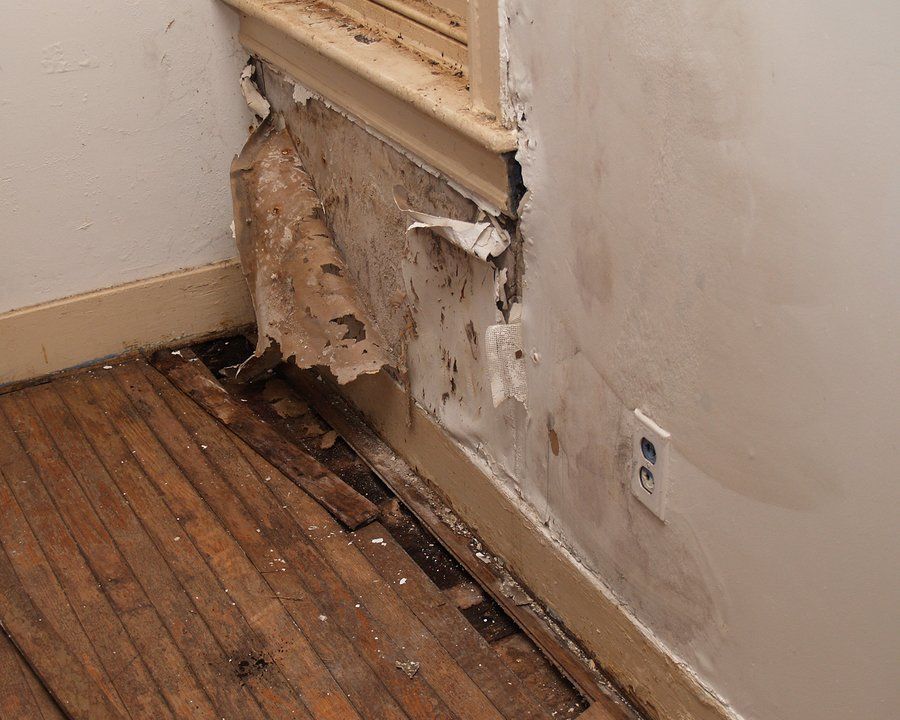
Why Flood Restoration Matters in Margate from AC Condensation
When property owners in Margate think about flood restoration, they often imagine hurricane damage or heavy storm flooding. However, one of the most common causes of water damage in local homes and rental properties comes from a much quieter source — air conditioning condensation.
Because air conditioning systems run almost year-round in South Florida, even small condensation issues can lead to serious moisture buildup over time. When condensation drainage problems go unnoticed, water can spread inside walls, ceilings, and flooring, creating conditions similar to flood damage.
For homeowners and landlords in Margate, understanding how AC condensation leads to water damage — and why flood restoration services are sometimes necessary — can help prevent long-term property damage and mold growth.
What AC Condensation Damage Actually Is
Air conditioning systems remove humidity from indoor air. As warm air passes through the AC system, moisture condenses on the cooling coils and normally drains safely through a condensate line.
Problems occur when:
• Drain lines clog or disconnect
• Drain pans overflow
• AC units are poorly maintained
• Air handlers leak
• Ducts sweat in humid conditions
Instead of draining properly, water accumulates and spreads into surrounding building materials. Over time, this can soak drywall, insulation, flooring, and cabinets.
Even though it starts slowly, the damage often becomes comparable to minor flooding inside the home.
Why Condensation Problems Are Common in Margate
Homes throughout Margate and nearby communities such as North Lauderdale, Coconut Creek, Pompano Beach, Deerfield Beach, and Fort Lauderdale rely heavily on AC systems due to constant heat and humidity.
Several local factors make condensation problems common:
• Continuous AC operation
• High indoor humidity levels
• Aging drainage systems
• Improper AC installation
• Dirty or clogged drain lines
• Poor ventilation in closets and attics
When condensation cannot escape properly, moisture begins collecting quietly inside walls or ceilings.
Because the problem develops slowly, property owners may not realize damage is occurring until repairs become expensive.
Early Signs Homeowners Should Not Ignore
AC condensation damage rarely shows immediate flooding, but early warning signs usually appear.
Common signs include:
• Musty odors near AC closets or vents
• Ceiling or wall stains near air handlers
• Peeling paint or bubbling drywall
• Warped flooring near AC units
• Mold growth near vents or baseboards
• Persistent humidity indoors
• AC units running constantly
These signs often indicate hidden moisture from condensation problems.
Hidden Areas Where Condensation Damage Spreads
AC-related moisture damage frequently develops in places rarely inspected.
Common hidden problem areas include:
• Inside AC closets
• Above ceilings around ductwork
• Behind walls near air handlers
• Under flooring near drain lines
• Inside return air cavities
• Around attic duct systems
Moisture in these areas may remain for months, creating conditions suitable for mold growth and structural damage.
Why DIY Cleanup Often Fails
Some homeowners try to manage condensation problems themselves by cleaning drain lines or drying visible moisture. While helpful, this often fails to correct hidden damage.
DIY cleanup usually falls short because:
• Moisture inside walls remains untreated
• Drywall and insulation stay wet
• Mold growth begins unseen
• Proper drying equipment is not used
Without professional inspection and drying, moisture damage continues spreading behind surfaces.
Professional Mold Inspection and Moisture Detection Explained
After condensation leaks, professional inspection helps determine how far moisture has spread.
A proper inspection typically includes:
- Visual assessment of affected areas
- Moisture scanning inside walls and ceilings
- Inspection of AC drainage systems
- Evaluation of ductwork condensation
- Mold inspection if growth is suspected
Companies such as Pompano Mold Inspection and Testing help property owners understand whether condensation issues have caused mold or structural damage.
Professional testing prevents unnecessary demolition while ensuring hidden problems are addressed.
Proper Flood Restoration and Repair Process
When condensation damage spreads significantly, restoration procedures similar to flood cleanup may be required.
A typical restoration process includes:
• Water extraction if pooling occurs
• Removal of damaged materials when needed
• Structural drying using professional equipment
• Moisture monitoring until surfaces are dry
• Cleaning and sanitizing affected areas
• Repairing drywall, flooring, or cabinetry
Correct drying is essential to prevent mold growth and future damage.
Mold Risks from AC Condensation Problems
Condensation-related moisture often creates perfect conditions for mold growth.
Mold commonly develops:
• Behind walls near AC units
• Inside duct systems
• Around vents
• Inside insulation
• Beneath flooring
Once mold develops, remediation may be needed along with repairs to moisture sources.
Professional inspections help detect mold early before contamination spreads through the property.
Air Ducts and HVAC Systems After Moisture Damage
When condensation spreads through duct systems, mold spores and moisture may circulate throughout the home.
Common HVAC concerns include:
• Wet duct insulation
• Mold inside ductwork
• Reduced airflow
• Increased humidity circulation
Cleaning and repairing ducts helps restore indoor air quality and prevent recurring moisture problems.
Preventing AC Condensation Flood Damage
Property owners in Margate can reduce condensation damage risks with preventive maintenance.
Helpful prevention steps include:
• Cleaning AC condensate lines regularly
• Scheduling routine AC maintenance
• Ensuring drain pans are clear and functional
• Insulating ducts properly
• Monitoring humidity levels
• Inspecting AC closets periodically
• Repairing small leaks quickly
Preventive maintenance is far less costly than restoration repairs.
Why Local Experience Matters
Condensation problems behave differently in South Florida than in drier climates. Properties in Margate face humidity conditions that accelerate moisture damage and mold growth.
Professionals familiar with Broward County properties understand how condensation issues typically spread and where damage is likely to occur. Pompano Mold Inspection and Testing works across the region and understands local moisture challenges.
Local expertise leads to faster diagnosis and effective long-term solutions.
A Practical Next Step for Property Owners
If your home or rental property in Margate shows musty odors, stains near AC systems, or unexplained moisture issues, arranging a professional inspection is a practical next step.
Condensation problems often appear minor at first, but when ignored, they can lead to major repairs and mold concerns. Early restoration and moisture correction protect both property value and indoor comfort.
Addressing AC condensation damage early helps Margate property owners maintain safer, healthier homes while avoiding costly flood restoration repairs later.
