Why Home Moisture Control Matters in Coconut Creek after Hurricanes
Hurricanes and tropical storms are a reality for homeowners in Coconut Creek and across Broward County. While strong winds and visible flooding often receive the most attention, one of the most persistent problems after a hurricane is moisture. Even homes that appear undamaged on the surface can hold significant hidden moisture in walls, ceilings, flooring, and air systems.
Home moisture control is one of the most important steps in protecting a property after a hurricane. Proper moisture management helps prevent mold growth, structural damage, and long-term indoor air quality problems, keeping homes safe and comfortable long after the storm has passed.
What the Moisture Issue Is
Moisture problems after hurricanes often develop in ways that are not immediately obvious. Rain driven by wind can enter small gaps around windows, doors, and roofing. Floodwater or minor leaks can soak building materials, and high humidity levels can keep those materials damp for extended periods.
Moisture may remain trapped in:
- Drywall and insulation
- Wood framing and baseboards
- Subflooring and carpets
- Cabinets and storage areas
- Air ducts and HVAC systems
Even when surfaces feel dry, internal materials can still contain moisture that leads to deterioration or microbial growth over time.
Why This Happens So Often in Coconut Creek
Coconut Creek’s climate makes moisture control especially important after hurricanes. The region experiences high humidity throughout much of the year, and after a storm, humidity levels often remain elevated for days or even weeks.
Several local factors contribute to persistent moisture problems:
High ambient humidity
Moist air slows the drying process inside homes, particularly in enclosed areas such as wall cavities and closets.
Frequent rainfall during storm season
Successive storms or heavy rains can prevent homes from fully drying between events.
Air conditioning reliance
While AC systems remove humidity, they may struggle to keep up after a hurricane, especially if filters, coils, or drainage systems are affected.
Older construction
Many homes in Coconut Creek and nearby communities were built with materials that absorb water easily, making thorough drying essential.
These conditions mean that moisture control is not a one-time action but an ongoing process after severe weather.
Common Signs Homeowners Notice
After a hurricane, some signs of excess moisture appear quickly, while others take time to develop. Homeowners often notice:
- A musty or damp odor
- Condensation on windows or vents
- Warping or swelling of wood materials
- Peeling paint or bubbling drywall
- Increased indoor humidity or discomfort
These symptoms indicate that moisture levels inside the home may still be elevated, even if visible water is gone.
Hidden or Overlooked Sources
Moisture often spreads beyond the areas where water initially enters. Some of the most overlooked sources include:
Wall cavities
Water can travel downward inside walls, soaking insulation and framing.
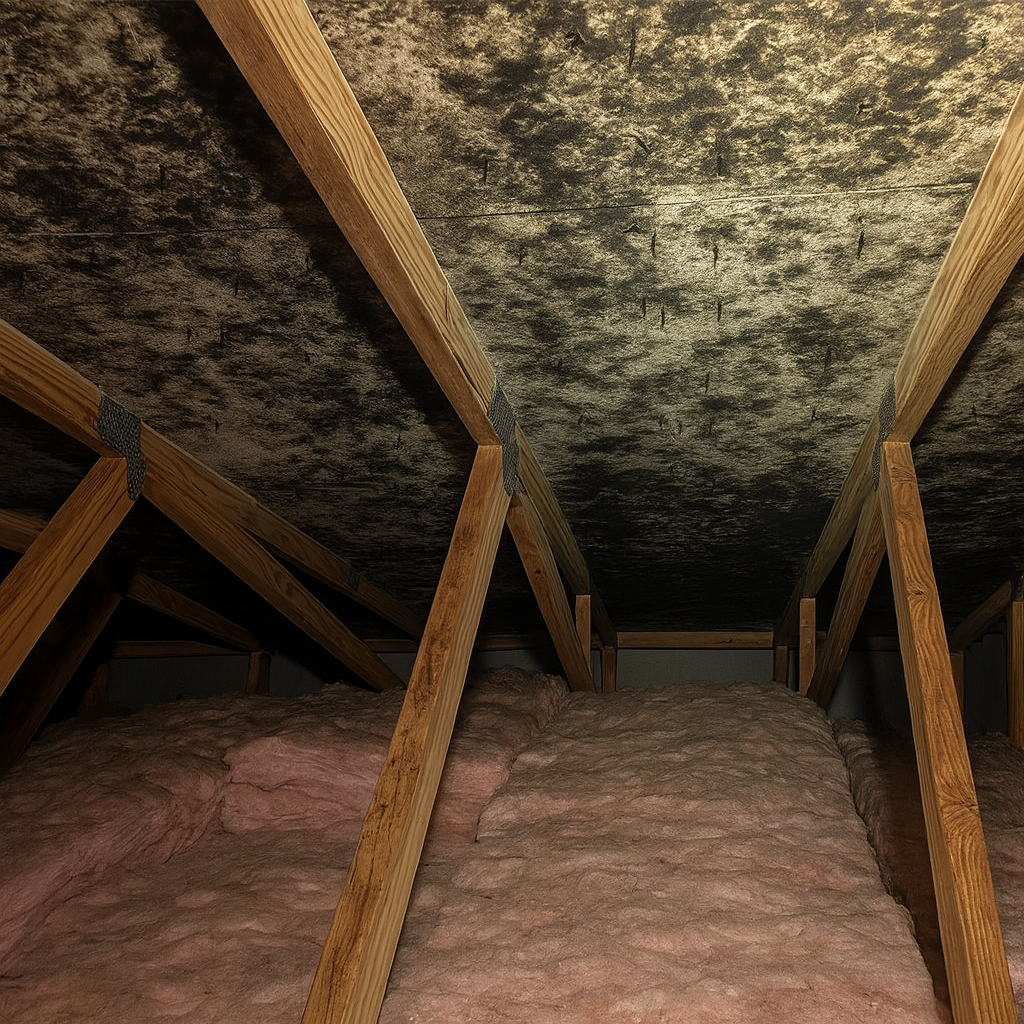
Attic spaces
Wind-driven rain and high humidity can saturate attic insulation and ductwork.
Under flooring
Water may seep beneath tile, laminate, or carpet and remain trapped.
Air ducts
Duct systems can collect humid air and condensation, spreading moisture throughout the home.
Because these areas are difficult to inspect without proper tools, professional moisture detection is often necessary to locate hidden dampness.
Why DIY Moisture Control Usually Falls Short
Homeowners often try to dry affected areas using fans or household dehumidifiers. While these steps can help with surface drying, they may not remove moisture trapped inside walls or structural materials.
DIY efforts may fall short because:
- Household equipment cannot remove deep moisture efficiently
- Hidden areas remain untreated
- Humidity levels may remain elevated throughout the home
- Moisture sources may not be fully identified
Professional drying equipment and moisture detection tools are designed to address these challenges more effectively.
Professional Mold Inspection & Testing Explained
After hurricanes, mold inspection is often recommended when moisture exposure has occurred. Inspectors evaluate both visible and hidden areas to determine whether conditions exist that could support mold growth.
This process may include:
- Moisture mapping of affected rooms
- Inspection of HVAC components
- Evaluation of ventilation and humidity levels
- Testing when necessary to confirm contamination
Companies such as Pompano Mold Inspection and Testing frequently perform these inspections in Coconut Creek and nearby areas, helping homeowners understand the full extent of moisture exposure after storms.
Proper Mold Removal & Remediation Process
If mold is discovered, remediation focuses on both removal and prevention. The general process may involve:
- Isolating affected areas to prevent cross-contamination
- Removing materials that cannot be salvaged
- Cleaning and treating structural surfaces
- Drying the area thoroughly
- Addressing the moisture source
The key to successful remediation is ensuring that moisture levels return to normal so that mold cannot return.
Flood Restoration & Water Damage Repair
Hurricanes can cause both visible and hidden water damage. Restoration professionals address this damage by focusing on thorough drying and structural repair.
Restoration steps often include:
- Extracting standing water when present
- Drying walls, floors, and structural components
- Repairing damaged materials
- Monitoring moisture levels over time
These steps help restore the home to safe and stable conditions.
Air Ducts, AC Systems & Mold
Air ducts and HVAC systems play a major role in moisture control. After hurricanes, ducts may contain humid air, debris, or condensation that affects indoor air quality.
Common issues include:
- Wet duct insulation
- Clogged drain lines
- Dirty evaporator coils
- Restricted airflow
Inspection and cleaning of HVAC components help restore proper airflow and humidity control throughout the home.
How to Prevent Moisture Problems in Coconut Creek Homes
Preventive measures can significantly reduce the impact of future storms. Homeowners can protect their homes by:
- Inspecting roofs and seals regularly
- Maintaining proper attic ventilation
- Cleaning AC drain lines and replacing filters
- Using dehumidifiers during periods of high humidity
- Repairing leaks promptly
- Scheduling inspections after severe storms
These steps help maintain stable indoor conditions and reduce the risk of long-term damage.
Why Local Experience Matters
Moisture control in South Florida requires knowledge of local climate patterns, building materials, and storm behavior. Homes in Coconut Creek, Pompano Beach, Deerfield Beach, Margate, Lighthouse Point, North Lauderdale, Lauderdale-by-the-Sea, and Fort Lauderdale face similar environmental challenges, but each property responds differently depending on construction and maintenance history.
Professionals with local experience understand how hurricanes affect Broward County homes and how long drying may take under humid conditions. Pompano Mold Inspection and Testing has worked with many properties in the area and understands the practical steps needed to manage moisture effectively after severe weather.
A Calm, Practical Approach to Moving Forward
Hurricanes can leave behind moisture problems that are easy to overlook but important to address. Proper moisture control helps protect structural materials, reduce the risk of mold growth, and maintain a comfortable indoor environment.
If a home has experienced heavy rain, flooding, or prolonged humidity after a hurricane, inspecting and drying affected areas is a practical and responsible step. Addressing moisture early helps prevent long-term issues and keeps Coconut Creek homes safe and well-maintained for years to come.