Why Home Moisture Control Matters in Lighthouse Point in Commercial Buildings
Moisture control is one of the most important factors in maintaining commercial buildings in Lighthouse Point. Offices, retail spaces, warehouses, and multi-unit buildings are exposed to high humidity, heavy seasonal rain, and constant air-conditioning use throughout much of the year. When moisture accumulates inside walls, ceilings, flooring, or HVAC systems, it can lead to mold growth, material deterioration, and indoor air quality concerns. Understanding why moisture control matters helps property owners protect their buildings, tenants, and long-term property value.
Why Moisture Problems Are Common in Commercial Buildings
Commercial buildings often have larger roof areas, complex HVAC systems, and multiple plumbing fixtures, which increases the risk of moisture issues. In Lighthouse Point, environmental conditions make moisture control even more critical.
Common causes of moisture buildup include:
- Roof leaks after heavy rain
- Plumbing leaks in restrooms or kitchens
- Air-conditioning condensation
- Poor ventilation in enclosed areas
- Water intrusion around doors or windows
Because commercial spaces may have multiple rooms and mechanical systems, moisture can remain hidden for extended periods before being detected.
Why Lighthouse Point’s Climate Increases Moisture Risks
Commercial buildings in Lighthouse Point face several environmental challenges:
- High coastal humidity throughout the year
- Frequent rainstorms and sudden downpours
- Warm temperatures that slow drying
- Salt air that can affect roofing and exterior materials
- Continuous HVAC operation
These conditions allow damp materials to remain wet longer, increasing the likelihood of mold growth and structural damage.
Early Signs of Moisture Problems in Commercial Properties
Moisture issues often begin with subtle warning signs that property owners or managers should not ignore:
- Musty or damp odors in certain rooms
- Water stains on ceilings or walls
- Peeling paint or bubbling drywall
- Warped flooring or baseboards
- Increased indoor humidity
These signs often indicate hidden moisture that should be inspected promptly.
Hidden Areas Where Moisture Often Develops
In commercial buildings, moisture frequently accumulates in areas that are not visible during daily operations. Inspectors in Lighthouse Point often find moisture in:
- Ceiling cavities above offices or retail spaces
- Attic insulation or roof decking
- Wall cavities near plumbing lines
- HVAC ducts and air handler rooms
- Storage areas with limited ventilation
Because these areas are concealed, moisture problems can worsen before becoming visible.
Why Moisture Control Is Important in Commercial Buildings
Proper moisture control helps protect both the building structure and daily operations. Moisture management helps:
- Prevent mold growth
- Protect drywall, insulation, and framing
- Improve indoor air quality
- Reduce maintenance and repair costs
- Extend the lifespan of HVAC systems
In commercial environments, preventing moisture problems also helps maintain comfortable working conditions.
Common Sources of Indoor Moisture in Commercial Spaces
Several everyday conditions contribute to moisture buildup in commercial buildings:
- Condensation from large HVAC systems
- Plumbing leaks in restrooms or break rooms
- Roof leaks after storms
- Poor ventilation in storage rooms
- Water tracked indoors during heavy rain
Identifying these sources early helps prevent larger problems.
Why DIY Moisture Control Is Often Not Enough
Property managers sometimes rely on basic inspections or visible signs to monitor moisture. However, hidden moisture inside walls or ceilings may not be visible until damage becomes significant.
DIY methods may miss:
- Moisture inside insulation
- Damp framing or substructures
- Condensation inside duct systems
- Moisture beneath flooring
Professional inspections use specialized tools that detect moisture in concealed areas.
How Professional Moisture Detection Works
A professional moisture inspection typically follows a structured process.
Step 1: Visual Inspection
Technicians inspect ceilings, walls, HVAC systems, and plumbing areas.
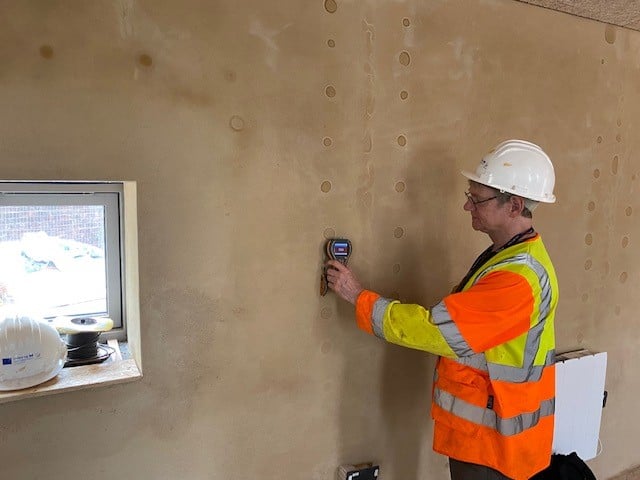
Step 2: Moisture Meter Testing
Moisture meters are used to locate damp materials behind surfaces.
Step 3: Humidity Assessment
Indoor humidity levels are measured to determine whether conditions support mold growth.
Step 4: Source Identification
The origin of the moisture is identified so repairs can be completed effectively.
Pompano Mold Inspection and Testing often evaluates moisture conditions in Lighthouse Point and surrounding Broward County communities, helping commercial property owners detect hidden problems early.
Mold Risks in Commercial Buildings
Excess moisture is the primary cause of mold growth. Mold may develop in:
- Ceiling tiles and drywall
- Carpet and flooring materials
- HVAC ducts and air handlers
- Wall cavities and insulation
If mold is discovered, remediation may include removing contaminated materials, cleaning structural surfaces, and thoroughly drying affected areas.
Water Damage Repair and Structural Drying
When moisture problems lead to water damage, restoration may include:
- Water removal
- Structural drying with air movers and dehumidifiers
- Repairing damaged drywall or insulation
- Monitoring moisture levels until materials stabilize
Proper drying helps prevent mold growth and protects structural materials.
HVAC Systems and Moisture Control
HVAC systems play a major role in maintaining balanced humidity levels in commercial buildings. Moisture-related issues may occur when:
- Condensate drain lines become clogged
- Air filters restrict airflow
- Duct insulation becomes damp
- Condensation forms near air handlers
Routine maintenance helps HVAC systems function efficiently and maintain stable indoor conditions.
Practical Moisture Control Tips That Work
Commercial property owners in Lighthouse Point can reduce moisture problems by following practical maintenance steps.
Schedule Regular Roof Inspections
Checking roofing materials and flashing helps detect leaks early.
Maintain HVAC Systems
Routine servicing helps prevent condensation and airflow problems.
Inspect Plumbing Regularly
Early detection of leaks helps prevent moisture buildup.
Improve Ventilation
Storage rooms, restrooms, and mechanical rooms benefit from proper airflow.
Inspect After Storms
Checking ceilings and walls after heavy rain helps identify moisture early.
These steps significantly reduce the likelihood of moisture-related problems.
Why Routine Inspections Matter
Periodic inspections help identify small moisture issues before they become serious. Routine moisture detection is especially helpful:
- After heavy rain or storms
- During humid summer months
- When musty odors appear
- When HVAC performance changes
Early detection often prevents costly restoration work later.
Why Local Experience Matters
Moisture control in coastal South Florida requires an understanding of local climate and construction conditions. Professionals familiar with Lighthouse Point understand:
- How humidity affects large commercial spaces
- Typical roofing and ventilation challenges in Broward County buildings
- Common moisture patterns after storms
This local knowledge helps inspections and solutions be more effective.
A Practical Next Step for Property Owners
Moisture control is essential for protecting commercial buildings in Lighthouse Point. Identifying moisture sources early, maintaining HVAC systems, and scheduling routine inspections help prevent mold growth, structural damage, and costly repairs.
With proper maintenance and timely inspections, commercial property owners can keep their buildings dry, comfortable, and well protected throughout the year.